Choosing packaging in pharmaceutical industry is a quality decision, not merely a branding exercise. A blister, vial, bottle, or prefilled syringe must protect the medicine from moisture, oxygen, light, contamination, and handling damage. It must also support accurate dosing and safe use. Small details matter. A weak seal can ruin an otherwise stable product.
Market evidence shows why this decision deserves discipline. Grand View Research estimated the global pharmaceutical packaging market at approximately USD 129.7 billion in 2023. Its forecast also indicates strong growth through 2030, although estimates vary between research firms. The IQVIA Institute’s Global Use of Medicines reports continued growth in medicine volumes and specialty treatments. More products require dependable, traceable packaging. Meanwhile, the World Health Organization emphasizes quality risk management across the pharmaceutical supply chain. Packaging therefore needs evidence, not assumptions.
Material selection should reflect the product’s chemistry, route of administration, shelf life, and distribution environment. Glass may suit injectable medicines, while high-barrier polymers can support selected solid-dose products. Compliance with standards such as ISO 15378 and relevant USP material chapters strengthens supplier qualification. Serialization and tamper evidence may also affect the final design. Yet no package is perfect. Cost, recyclability, machinability, and patient usability can conflict. A child-resistant closure may frustrate an elderly patient. A sustainable material may require more stability data. This guide examines those trade-offs through practical criteria, testing expectations, and documented risk assessment. The goal is not the most advanced package. It is the safest suitable package, supported by reliable evidence.
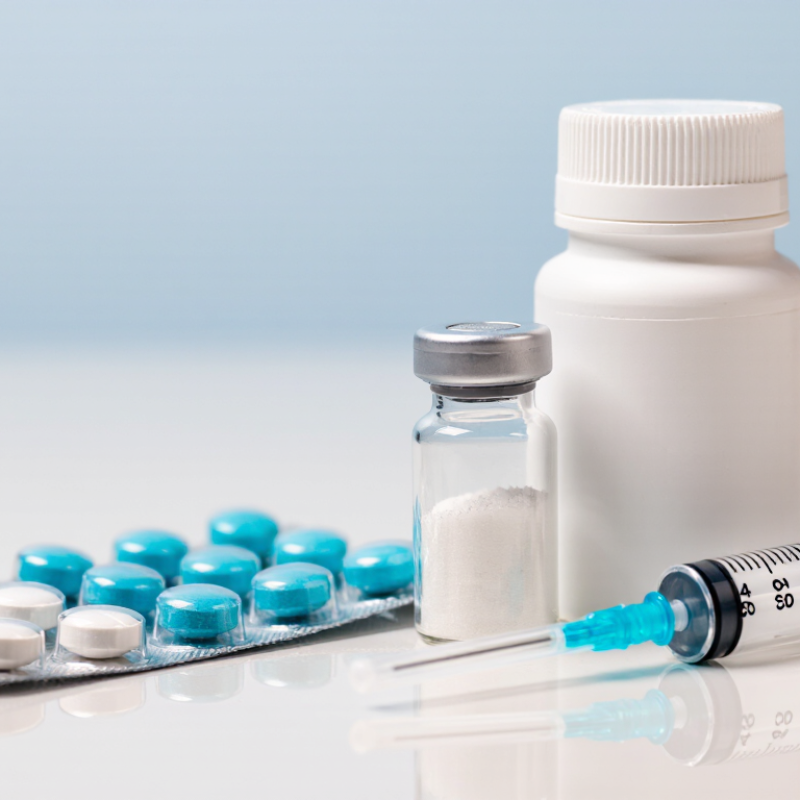
Pharmaceutical packaging protects medicine from moisture, oxygen, light, contamination, and physical damage. Its purpose is not simply to hold tablets or liquid. It must preserve product quality throughout storage, transport, and use. A practical evaluation begins with the formulation. For example, a moisture-sensitive tablet may need a high-barrier blister, while an oral liquid may require a chemically compatible bottle and closure. Packaging also supports accurate dosing, clear identification, tamper evidence, and patient safety. Small details matter, such as readable labels, secure caps, and a spoon that measures consistently.
Key requirements include material compatibility, mechanical strength, sealing performance, and stability over the intended shelf life. Teams should assess extractables and leachables, light transmission, oxygen exposure, and temperature changes during distribution. They should also review usability for older adults and patients with limited hand strength. Applicable quality standards and controlled testing are essential. In practice, a package can pass laboratory checks yet frustrate patients at home. That gap deserves attention.
No package is perfect.
Tips: Match the barrier level to the medicine, not the appearance. Test filled packs under realistic humidity, vibration, and temperature conditions. Inspect seal integrity after opening and repeated use. Confirm that printed information remains readable after handling. Keep packaging decisions documented, including rejected options and the reasons behind them. A lower-cost material may appear efficient, but it can create higher risks through leakage, breakage, or shortened stability. Review the design with quality, manufacturing, regulatory, and patient-use specialists before approval.
Packaging selection in the pharmaceutical industry begins with the product, not the container. A formulation may react with plastics, elastomers, adhesives, or metal surfaces. Review pH, solvents, preservatives, moisture sensitivity, oxygen sensitivity, and light response. A clear vial can still fail if ultraviolet exposure changes the medicine. Looks can mislead. Define the required protection using stability data and the intended shelf life.
Compatibility assessment should examine extractables, leachables, sorption, permeation, and container closure integrity. Test samples under realistic temperatures, storage periods, and transport conditions. Accelerated studies help, but they cannot replace long-term stability testing. In practical reviews, compare packaging candidates with the actual formulation and filling process. A stopper may seal well in a laboratory but perform differently after sterilization or repeated punctures. Small details matter. Check visible particles, discoloration, odor, fill volume, and container weight.
Reliable decisions need documented material specifications, supplier qualification, change control, and traceable test records. Include transport simulation and reasonable temperature excursions when assessing protection. No test model perfectly predicts every distribution event. That limitation deserves attention. I would not approve a package based only on attractive appearance or a single compatibility result. Review chemical data with stability trends, manufacturing observations, and container closure results. Test before scaling. A minor seal defect may become a serious product risk months later.
| Packaging Format | Typical Pharmaceutical Applications | Moisture Protection | Oxygen and Light Protection | Mechanical Protection | Material Compatibility Considerations | Common Sterilization or Processing Limits | Key Assessment Priorities |
|---|---|---|---|---|---|---|---|
| Type I Borosilicate Glass Vial | Injectable solutions, lyophilized medicines, vaccines, and sensitive liquid formulations. | High Glass is effectively impermeable to water vapor. |
High Excellent chemical barrier; amber glass is used when protection from ultraviolet and visible light is required. |
Medium Rigid and dimensionally stable, but vulnerable to breakage and glass-to-glass impact. |
Generally suitable for aqueous formulations, but the formulation should be evaluated for glass delamination, extractables, adsorption, and pH-related surface interaction. | Suitable for validated depyrogenation and sterilization processes. Thermal shock and vial integrity must be controlled. | Container closure integrity, delamination risk, extractables and leachables, particulate control, and compatibility with sterilization. |
| Amber Glass Bottle | Light-sensitive oral liquids, tablets, capsules, and certain active pharmaceutical ingredients. | High Provides a strong barrier against moisture transmission. |
High Amber coloration reduces transmission of ultraviolet and selected visible wavelengths. |
Medium Good rigidity but susceptible to cracking or breakage during transport. |
Usually chemically stable; closure liners and dosing components may present greater compatibility concerns than the glass itself. | Can tolerate controlled heat processes depending on the bottle and closure system; avoid rapid temperature changes. | Light-transmission testing, closure fit, dose accuracy, breakage resistance, and stability under intended storage conditions. |
| High-Density Polyethylene Bottle | Tablets, capsules, powders, and selected solid-dose products. | Medium Provides useful moisture resistance, but is not an absolute moisture barrier. |
Low Natural polyethylene is generally translucent or opaque but may require an additional light-protective design. |
High Lightweight, impact-resistant, and suitable for routine distribution. |
Potential concerns include permeation, sorption of drug substances or excipients, additive migration, and interaction with volatile ingredients. | Not generally selected for high-temperature sterilization unless the specific grade and package design have been validated. | Moisture ingress, oxygen transmission, sorption, extractables and leachables, bottle-wall thickness, and closure performance. |
| Polypropylene Bottle or Container | Solid-dose products, some liquid formulations, and packaging components requiring higher heat resistance than polyethylene. | Medium Provides moderate moisture resistance that depends on wall thickness and closure design. |
Low Additional pigments, overwraps, or secondary packaging may be required for light-sensitive products. |
High Good impact resistance and lower breakage risk than glass. |
Generally resistant to many aqueous formulations, but compatibility must address additives, stress cracking, sorption, and permeation. | Some grades can tolerate steam sterilization, but the complete container closure system must be validated for deformation and seal performance. | Thermal resistance, seal integrity, permeation, formulation interaction, and dimensional stability during processing. |
| PVC-Aluminum Blister | Unit-dose tablets and capsules for products with moderate sensitivity to moisture and light. | Medium The aluminum side is an excellent barrier; the polymer cavity is the primary path for moisture transmission. |
Medium Aluminum provides strong light protection, while cavity material and package design influence total protection. |
Medium Supports unit-dose protection but may be punctured, cracked, or crushed by excessive force. |
Assess drug or excipient migration into the polymer, adsorption, plasticizer-related concerns, and interaction with inks or coatings. | Usually formed and sealed using controlled heat; the product may not be suitable for terminal sterilization. | Water-vapor transmission, seal quality, cavity integrity, push-through force, child-resistance requirements, and dose protection. |
| Aluminum-Aluminum Blister | Highly moisture-sensitive, oxygen-sensitive, or light-sensitive tablets and capsules. | High Aluminum foil structures provide very strong protection against moisture transmission when properly sealed. |
High Provides near-total light protection. |
High Each dose is enclosed, reducing exposure after pack opening. |
Direct product contact is usually limited, but coatings, sealants, adhesives, and pinholes must be assessed. | Normally produced by forming and heat-sealing processes rather than post-packaging sterilization. | Pinholes, seal integrity, forming damage, opening performance, material compatibility, and protection throughout shelf life. |
| Multilayer Laminate Pouch | Powders, granules, oral rehydration products, diagnostic materials, and individually packaged medical or pharmaceutical products. | High Barrier performance depends on the laminate structure, seal design, and presence of foil or high-barrier polymer layers. |
High Foil-containing laminates provide strong light protection; clear laminates may require secondary packaging. |
Medium Flexible and lightweight, but vulnerable to puncture, abrasion, and seal damage. |
Evaluate contact-layer compatibility, sealant migration, adsorption, permeation, and possible interaction with powders or volatile ingredients. | Usually not intended for terminal sterilization unless the laminate and sealing process have been specifically validated. | Seal strength, burst resistance, pinhole defects, water-vapor and oxygen transmission, and opening performance. |
| Prefilled Polymer Syringe | Sterile injectable products, emergency medicines, and products requiring convenient, ready-to-use dosing. | Medium Protection depends on polymer type, wall thickness, plunger seal, and storage duration. |
Medium Light protection may require an opaque component, overwrap, or secondary carton. |
High Lower breakage risk than glass, although barrel deformation and connection damage must be controlled. |
Assess adsorption, absorption, silicone or lubricant interaction, extractables and leachables, drug potency, and particulates. | Compatible processing depends on polymer, elastomer, lubricant, and sterilization method; radiation, steam, or ethylene oxide may affect performance. | Container closure integrity, dose accuracy, plunger movement, leakage, sterilization impact, and drug-device compatibility. |
| Elastomer Stopper and Aluminum Seal System | Vials containing sterile injectable solutions or lyophilized products. | High When properly crimped, the stopper and seal create an effective closure system. |
Medium Protection is mainly determined by the vial and any secondary light barrier. |
Medium Provides secure closure, but improper crimping can cause leakage or stopper displacement. |
Critical concerns include extractables and leachables, adsorption, gas permeability, chemical interaction, and coring during needle puncture. | Must be validated for the selected sterilization process, including dimensional changes, seal integrity, and functional performance. | Container closure integrity, puncture performance, resealability, extractables and leachables, particulate generation, and microbial protection. |
| Assessment Principle | Applicable to every pharmaceutical packaging system before final selection. | Match the barrier to the product risk Consider moisture, oxygen, light, volatile compounds, and temperature exposure. |
Protect through the distribution cycle Evaluate vibration, compression, impact, puncture, transport orientation, and handling. |
Confirm chemical, physical, biological, and functional compatibility using formulation-specific studies rather than material assumptions alone. | Verify compatibility with filling, sealing, sterilization, cleaning, storage, and regulatory requirements. | Use stability studies, extractables and leachables testing, package integrity testing, transport simulation, and ongoing stability monitoring. | |
Selecting packaging materials starts with the drug form, not the package shape. Tablets usually need moisture and light protection. High-density polyethylene bottles, desiccants, and foil seals can support this barrier. Blister packs offer stronger unit-dose control, especially when dosing errors are a concern. Moisture is unforgiving. For oral liquids, glass or suitable polymer containers must resist interaction with solvents, preservatives, and active ingredients. The FDA’s Container Closure Systems guidance requires packaging to protect products from contamination, degradation, and chemical changes.
Biologics and injectables demand stricter control. Glass vials, elastomeric stoppers, and prefilled systems must limit particles, oxygen, and extractables. Cold-chain packaging also matters. The World Health Organization has estimated that roughly 50% of vaccines are wasted annually, often because of temperature-control failures. That figure is not a simple packaging statistic, but it exposes a practical risk: weak thermal protection can erase excellent formulation work. The 2024 Smithers pharmaceutical packaging market analysis also highlights continued demand for high-barrier, patient-friendly formats. A lower-cost material may become expensive after stability failures. Our first choice is not always the best one.
Tips: Match the material to the formulation’s sensitivity. Test sorption, leachables, moisture transmission, light exposure, and seal integrity. Review real transport conditions, including vibration and temperature excursions. Use stability data from the final package, not only from laboratory glassware. Packaging qualification should involve formulation, quality, and manufacturing teams. Small gaps matter. Recheck assumptions before scale-up.
Choosing pharmaceutical packaging means managing three competing duties: compliance, patient safety, and environmental responsibility. The container must protect stability, sterility, and dose accuracy throughout transport and storage. It must also satisfy applicable pharmacopoeial tests, extractables assessments, and child-resistance requirements. It begins with risk.
The World Health Organization reports that roughly one in ten medical products in low- and middle-income countries is substandard or falsified. Packaging cannot solve every quality problem, but tamper evidence, serialization, and clear labeling can strengthen detection and traceability. In practice, teams should test seal integrity after temperature cycling, vibration, and humidity exposure. Small failures can become serious risks. A recyclable material is not automatically safe. It may absorb moisture, interact with the formulation, or weaken during distribution.
Sustainability decisions need measured evidence rather than attractive claims. The OECD Global Plastics Outlook reports that global plastic waste reached 353 million tonnes in 2019, while only 9% was recycled. Packaging represented about 40% of plastic waste. This supports lightweighting, recycled content, and material reduction where validation permits. However, eliminating a protective layer may increase breakage, recalls, or product waste. That trade-off matters. Life-cycle assessments should compare material use, manufacturing energy, transport weight, disposal systems, and failure rates. A lower-carbon option can still create greater clinical risk. The difficult part is admitting that packaging choices remain imperfect, especially when local recycling infrastructure cannot process pharmaceutical components.
How to Choose Packaging in the Pharmaceutical Industry?
Validating a pharmaceutical packaging system requires more than checking appearance and dimensions. The package must protect the product throughout its intended shelf life. A practical plan begins with a documented risk assessment. Review moisture, oxygen, light, temperature, vibration, and user handling.
Define critical quality attributes before testing begins. These may include seal strength, container closure integrity, dose accuracy, and material compatibility. Use stability studies to examine the product in real packaging. Test samples under long-term and accelerated conditions. Include transport simulations with vibration, compression, and temperature changes. Small defects matter. A weak seal may appear acceptable during inspection but fail after shipping.
Validation should also cover equipment and operators. Run packaging line trials using routine settings, realistic speeds, and approved materials. Record setup conditions, inspection results, deviations, and corrective actions. Analytical testing should follow suitable, documented methods. Extractables and leachables may require special attention when the product contacts plastic, elastomers, or coatings. The selected package should support safe opening and consistent use.
Managing the system continues after qualification. Control supplier changes, material substitutions, artwork revisions, and equipment adjustments through formal change control. Reassess risks when complaints, stability trends, or production deviations appear. Keep traceable records for every packaging component and batch. Periodic reviews can reveal gradual seal variation or increasing rejection rates. A clean validation report does not guarantee permanent control. Teams sometimes trust initial data too much. That is a weakness worth correcting. Effective management combines technical evidence, operator feedback, supplier oversight, and continual review.
Validating and Managing the Chosen Packaging System
The chart shows commonly used ICH Q1A(R2) stability-study durations for pharmaceutical products: 12 months for long-term testing, 6 months for intermediate testing, and 6 months for accelerated testing. These studies help confirm that the selected container-closure system protects product quality throughout its intended shelf life.
Reference: ICH Q1A(R2), Stability Testing of New Drug Substances and Products.
| Cookie | Duration | Description |
|---|---|---|
| cookielawinfo-checkbox-analytics | 11 months | This cookie is set by GDPR Cookie Consent plugin. The cookie is used to store the user consent for the cookies in the category "Analytics". |
| cookielawinfo-checkbox-functional | 11 months | The cookie is set by GDPR cookie consent to record the user consent for the cookies in the category "Functional". |
| cookielawinfo-checkbox-necessary | 11 months | This cookie is set by GDPR Cookie Consent plugin. The cookies is used to store the user consent for the cookies in the category "Necessary". |
| cookielawinfo-checkbox-others | 11 months | This cookie is set by GDPR Cookie Consent plugin. The cookie is used to store the user consent for the cookies in the category "Other. |
| cookielawinfo-checkbox-performance | 11 months | This cookie is set by GDPR Cookie Consent plugin. The cookie is used to store the user consent for the cookies in the category "Performance". |
| viewed_cookie_policy | 11 months | The cookie is set by the GDPR Cookie Consent plugin and is used to store whether or not user has consented to the use of cookies. It does not store any personal data. |