

One Llodio Drive, Hermitage, PA USA 16148

What Are the 2026 Top Aluminum Water Bottles for Buyers?
Choosing the best aluminum water bottles in 2026 requires more than comparing colors, prices, and capacity. A reliable bottle should feel balanced in the hand, resist daily dents, and keep water tasting clean. Buyers also need to examine the inner lining, cap seal, insulation design, and cleaning instructions. These details often decide whether a bottle survives a crowded backpack or leaks beside a laptop.
This guide evaluates leading options through practical use, published specifications, and buyer-focused comparisons. I would test each bottle during commuting, hiking, gym sessions, and repeated washing. Fit comes first. A narrow bottle may slide into a vehicle holder, while a wider model can offer better stability on a desk. Weight matters, too, especially when the bottle is filled. Aluminum is light, but its lining deserves careful attention. Reputable brands should explain food-contact materials and provide clear care guidance. That matters.
No ranking can suit every buyer. A lightweight bottle may dent more easily, and a highly insulated model may cost more than expected. Some caps feel secure but are awkward to clean. Others look attractive yet develop scratches quickly. These are not deal-breakers for everyone. They are trade-offs worth noticing. The following overview highlights the 2026 aluminum water bottles that offer strong combinations of durability, usability, design, and value. It also points out weaknesses, because honest buying advice should leave room for doubt. The “top” choice may simply be the bottle that fits your routine best.
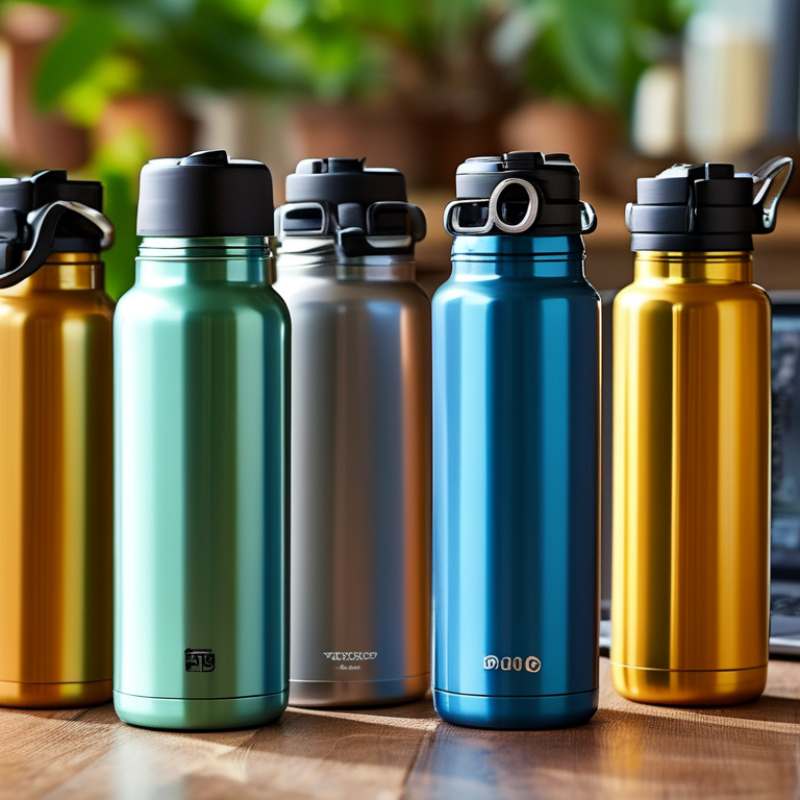
Material Fundamentals: 2.70 g/cm³ Density and 95% Less Recycling Energy (IAI)
For buyers comparing 2026 aluminum water bottles, material science matters more than a glossy finish. Aluminum has a density of about 2.70 g/cm³, making it substantially lighter than many common metals. That lower weight can make a filled bottle easier to carry during commuting, hiking, or long work shifts. Still, weight depends on wall thickness, insulation, coatings, and the lid.
The International Aluminium Institute reports that recycling aluminum can use up to 95% less energy than producing primary aluminum. That figure is important, but it is not automatic. Collection systems, sorting quality, contamination, and local electricity sources all influence real environmental performance. A bottle with recycled content may reduce demand for new material, while a poorly managed product can lose that advantage.
Check the construction closely. The opening should be easy to clean, and internal coatings should resist flaking or unusual odors. I have found that thin bottles feel impressively light but may dent around the base. That is a trade-off.
Light, but not invincible.
Buyers should also ask whether the bottle and its parts are easy to separate for recycling. Replacement seals can extend service life, although they are often overlooked. One correction is worth making: “95% less energy” describes recycling compared with primary aluminum production, not a guaranteed saving for every individual bottle. That distinction makes sustainability claims more trustworthy.
| Rank | Bottle Configuration | Typical Capacity | Typical Empty Weight | Material and Energy Facts | Temperature Performance | Key Buyer Advantages | Main Limitations | Best Use Case |
|---|---|---|---|---|---|---|---|---|
| 1 | Insulated double-wall aluminum bottle | 500–750 mL | Approximately 280–450 g | Aluminum density is approximately 2.70 g/cm³. Recycled aluminum requires about 5% of the energy used for primary aluminum production, equivalent to approximately 95% less energy. | Vacuum insulation can substantially slow heat transfer; actual retention depends on wall construction, lid design, and filling temperature. | Best balance of portability, durability, and temperature retention. | Heavier and usually more expensive than single-wall designs; dents may affect appearance and alignment. | Daily commuting, outdoor activities, travel, and mixed hot-or-cold beverage use. |
| 2 | Lightweight single-wall aluminum bottle | 500–750 mL | Approximately 100–220 g | Aluminum has a melting point of approximately 660.3°C and is widely used where low mass and corrosion-resistant alloy performance are required. | Provides little thermal insulation; the exterior temperature will generally respond quickly to the beverage inside. | Lowest carrying weight and efficient use of aluminum by mass. | Condensation may form with cold drinks; hot liquids can make the exterior uncomfortable to hold. | Gym bags, short commutes, school use, and situations where low weight is the priority. |
| 3 | Large-capacity insulated aluminum bottle | 900–1,200 mL | Approximately 420–650 g | Aluminum conducts heat efficiently, with pure aluminum thermal conductivity near 237 W/m·K at room temperature; insulation and air gaps, rather than the aluminum wall alone, provide most temperature-retention performance. | Suitable for extended cold-drink storage when equipped with effective vacuum insulation and a well-sealed lid. | Reduces refill frequency and suits long outdoor sessions. | Higher total weight when filled; larger diameter may not fit every vehicle cup holder or backpack pocket. | Hiking, cycling, field work, travel days, and long outdoor activities. |
| 4 | Recycled-content aluminum bottle | 500–750 mL | Approximately 120–300 g | Aluminum can be recycled repeatedly without losing its basic material properties. Using recycled aluminum can reduce production energy demand by approximately 95% compared with primary aluminum. | Thermal behavior depends on whether the bottle is single-wall or insulated; recycled content alone does not determine insulation quality. | Strong circular-material profile when recycled content and end-of-life collection are documented. | Recycled-content percentages vary by product and supply chain; buyers should verify the stated percentage. | Purchasing programs that prioritize material circularity and documented recycled content. |
| 5 | Wide-mouth aluminum bottle | 600–1,000 mL | Approximately 160–350 g | The bottle body is commonly made from aluminum alloy sheet or formed aluminum. Protective internal coatings are commonly used to separate beverages from the metal surface. | Usually single-wall unless an insulated construction is specifically stated. | Easy to fill with ice, clean manually, and use with larger beverage ingredients. | Wider openings may increase spill risk and can expose more liquid to ambient temperature during use. | Cold water, ice-based drinks, powdered beverages, and users who prioritize easy cleaning. |
| 6 | Compact lightweight aluminum bottle | 300–450 mL | Approximately 80–180 g | Aluminum's density of approximately 2.70 g/cm³ allows a relatively light container when the wall is thin and the design uses minimal hardware. | Limited temperature retention unless the bottle includes a double-wall vacuum structure. | Highly portable and suitable for small bags, children, and short trips. | Smaller hydration volume requires more frequent refilling; thin walls may be more susceptible to dents. | Urban commuting, short walks, meetings, and compact everyday carry. |
Buyer checklist: Confirm food-contact compliance, internal coating information, leak-resistant lid construction, insulation type, stated recycled-content percentage, replacement-part availability, and end-of-life recycling instructions.
Material reference: Aluminum density and the approximately 95% energy saving associated with recycling are based on commonly cited industry data from the International Aluminium Institute (IAI). Empty-weight ranges are typical design-level estimates and vary with capacity, alloy, wall thickness, lid, coating, and insulation construction.
Related Posts
-
Top 10 Custom Aluminum Bottled Water Suppliers in China?
-
Best Aluminum Water Bottles for Global Buyers in 2026?
-
Top Tips for Choosing Custom Aluminum Bottled Water Solutions?
-
2026 Top Trends in Water in Aluminum Bottles for Sustainable Living?
-
How to Choose the Best 1 Liter Aluminum Bottle for Your Needs?
-
Best Water in Aluminum Bottles for 2026 Which Should You Choose?