Top Tips for Choosing Custom Aluminum Bottled Water Solutions?
In the evolving market of beverage packaging, choosing custom aluminum bottled water solutions can be challenging. According to industry expert Mark Johnson, "Custom aluminum bottles are not just eco-friendly; they offer a unique brand identity." This statement highlights the importance of standing out in a crowded market.
Finding the right custom aluminum bottled water options requires careful consideration. Factors like design, sustainability, and cost play crucial roles. Many businesses overlook the significance of quality. A poorly designed bottle can tarnish your brand image. It's vital to ensure that the bottles align with your brand values while also being functional.
The customization options available are vast. From sizes to colors, the choices are overwhelming. However, this variety should lead to thoughtful selection, not hasty decisions. It’s essential to reflect on how your custom aluminum bottled water will resonate with your audience. Understanding their preferences can guide you toward the best choices that will aid your brand's success.
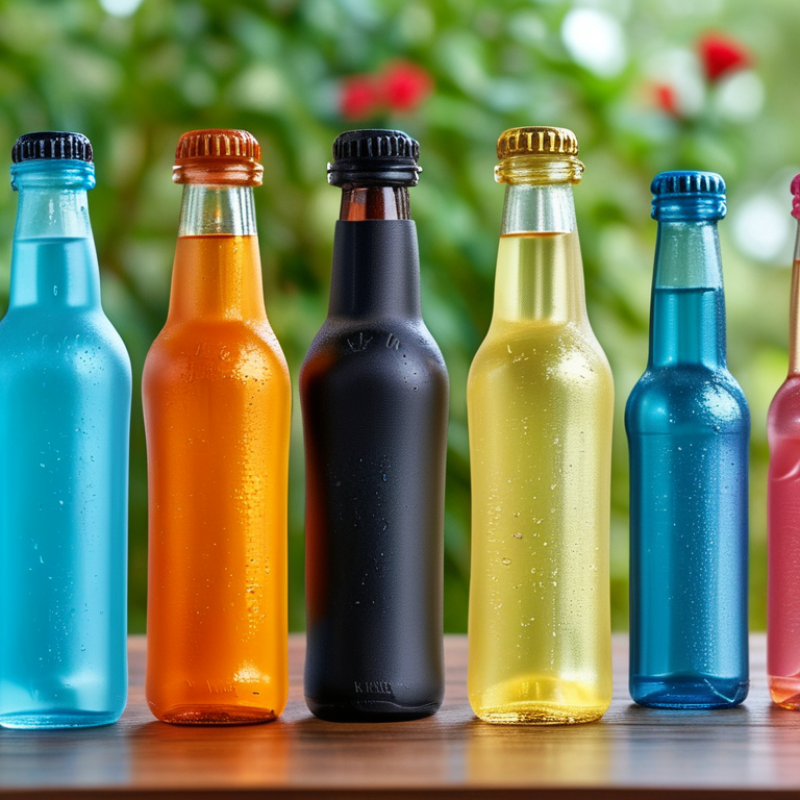
Understanding the Benefits of Custom Aluminum Bottled Water Solutions
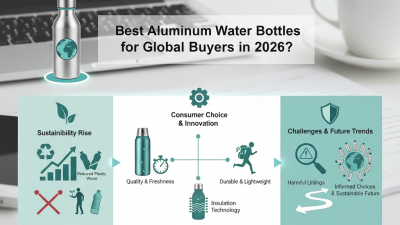
Custom aluminum bottled water solutions offer significant benefits that contribute to both health and environmental sustainability. Research indicates that aluminum has a recycling rate of around 75%, making it one of the most recycled materials globally. This high recycling rate reduces the carbon footprint associated with production. Furthermore, manufacturers utilize less energy in recycling aluminum compared to producing new materials. This shift indicates a strong commitment to environmentally friendly practices.
The versatility of aluminum bottles allows for customization, crucial for brand identity. According to industry reports, brands that utilize customized packaging see a 30% increase in customer recognition. This recognition aids in building brand loyalty. Notably, aluminum's lightweight nature reduces transportation costs, which is a crucial factor in logistical efficiency. Improved logistics can lead to lower prices for consumers while maintaining profit margins for businesses.
Despite these advantages, it is essential to remain aware of the challenges in sourcing sustainable aluminum. The mining process can have notable environmental impacts. Companies must consider eco-friendly mining practices and work with reputable suppliers. This reflection on sourcing ensures that the focus on sustainability remains strong throughout the production chain. Balancing these factors can help businesses create products that not only appeal to consumers but also protect the planet.
Key Factors to Consider When Selecting Aluminum Bottle Materials
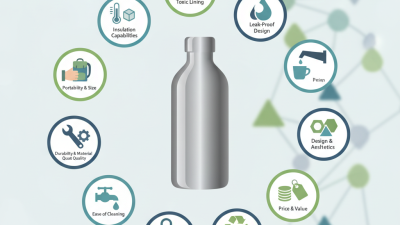
When selecting aluminum bottle materials for custom bottled water solutions, durability is paramount. The material's resistance to corrosion and temperature fluctuations significantly affects its lifespan. Research indicates that aluminum bottles can withstand harsh conditions, providing long-term reliability for both consumers and brands. Look for materials that comply with industry standards, ensuring safety and performance.
Pay attention to the thickness of the aluminum. A thicker bottle typically offers better insulation and sturdiness. Industry data suggest that 1 mm thickness is optimal for durability while remaining lightweight. Lightweight bottles encourage consumer use, leading to increased brand visibility. However, balance this with the need for a robust design.
Aesthetic appeal also matters. Customized designs should align with brand identity and consumer preferences. Color and finish can influence purchasing decisions. Ultimately, collaboration with experts in aluminum fabrication can provide insights into innovative design while maintaining sustainability standards. As consumer awareness grows about eco-friendly options, choosing recyclable materials becomes essential. Addressing these factors in selection processes can enhance the overall success of custom aluminum bottled water solutions.
Top Tips for Choosing Custom Aluminum Bottled Water Solutions
This chart illustrates key factors to consider when choosing custom aluminum bottled water solutions, showing the weight of the bottle, recyclability percentage, durability, cost per unit, and insulation capability. Such information helps in making informed decisions when selecting the right aluminum bottle for specific needs.
Evaluating Design Options for Custom Aluminum Bottled Water Products
When evaluating design options for custom aluminum bottled water products, consider the aesthetics and functionality.
The shape of the bottle can significantly affect user experience. Sleek, ergonomic shapes are appealing, but
don't overlook the need for stability and comfort during use. Also, a well-designed cap is essential. It should ensure
a secure seal while allowing for easy opening.
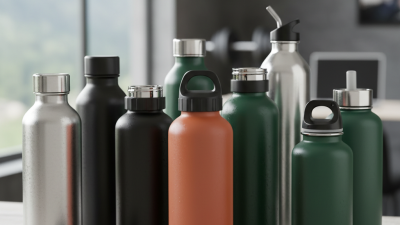
Colors and finishes are crucial in conveying your brand identity.
Matte versus glossy finishes can evoke different emotions. Color choice also plays a vital role;
bright hues can attract attention, while muted tones might suggest elegance. Engaging graphics can enhance visibility
in a crowded marketplace.
Sustainability is another important factor. An aluminum bottle should not only look good but also be
environmentally friendly. Consider using recycled materials or ensuring recyclability after use. Finding the
right balance between aesthetic appeal and eco-consciousness can be challenging. Reflect on how your choices
impact both the customer and the planet. Thoughtful design encompasses more than just visual appeal;
it should align with values and ethics.
Analyzing Market Trends in Custom Bottled Water Sustainability
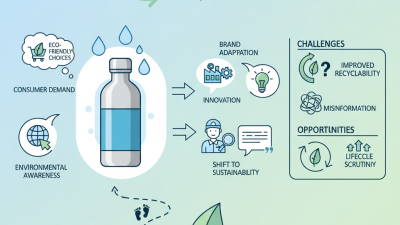
The bottled water market is evolving. Custom aluminum bottles are becoming more popular. They offer a sustainable alternative to traditional plastic. As consumers become more eco-conscious, companies must adapt. Examining market trends reveals a growing demand for environmentally friendly solutions.
Many businesses are recognizing the value of sustainability. Custom aluminum bottles can reduce plastic waste significantly. However, implementing these solutions involves challenges. Finding reliable suppliers who prioritize environmental responsibility is crucial. Brands must also educate consumers about the benefits of switching to aluminum.
Innovation in design plays a key role. Attractive packaging can draw attention and enhance brand identity. Yet, designs should not compromise functionality. Bottles need to be easy to carry and use. As companies navigate this landscape, feedback from consumers will be essential. Listening to what customers want can lead to better products and stronger loyalty.
Top Tips for Choosing Custom Aluminum Bottled Water Solutions
| Feature |
Importance |
Sustainability Rating |
Market Demand |
| Recyclability |
High |
A+ |
High |
| Customization Options |
Medium |
B |
Medium |
| Weight |
High |
A |
Low |
| Durability |
High |
A |
High |
| Cost Effectiveness |
Medium |
B- |
Medium |
Assessing Cost-Effectiveness of Custom Aluminum Bottled Water Solutions
When considering custom aluminum bottled water solutions, cost-effectiveness is vital. The initial expense can be higher than plastic alternatives. However, aluminum’s recyclability reduces long-term costs. Many brands find that switching to aluminum can enhance brand value. Pointing out the environmental impact often appeals to consumers. They tend to support brands prioritizing sustainability.
Research indicates that consumers prefer eco-friendly options. Conducting a cost analysis helps businesses assess investment viability. Factors include design complexity and order volume. Simple designs can lower costs significantly. Yet, intricate patterns may demand more resources, which could inflate prices. Finding the balance is crucial and requires thorough evaluation.
Additionally, remember that market demand fluctuates. It can impact pricing and availability. Regularly reviewing supplier options ensures you get the best rates. Long-term partnerships often yield discounts. Though challenging, navigating these variables can lead to a strategic advantage. Thoughtful planning and evaluation are necessary for optimal outcomes.