What Are the Top Aluminum Beer Bottles for Global Buyers?
For global buyers, choosing aluminum beer bottles is not simply a matter of selecting the most attractive design. The right bottle must protect beer quality, support efficient transport, and match the buyer’s filling system. In real procurement work, small details often create the largest costs. A slightly loose closure can affect carbonation. A weak coating may develop scratches during handling. A bottle may look premium, yet perform poorly after repeated warehouse movement. That difference matters.
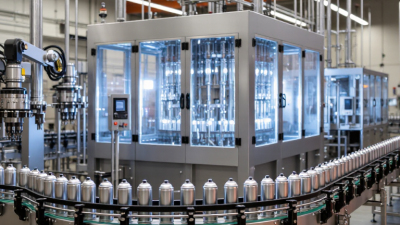
This guide examines the top aluminum beer bottles for international purchasing teams, distributors, breweries, and private-label brands. It compares material quality, bottle weight, internal lining, closure performance, surface finishing, and packaging protection. Practical evaluation should include supplier experience, production consistency, test reports, and clear quality-control records. Buyers should also confirm compatibility with filling equipment and review the documentation required in their target markets. No single bottle fits every market. That is easy to forget.
Sustainability also deserves careful attention. Aluminum can support recycling systems, but its environmental value depends on responsible sourcing, manufacturing energy, transport distance, and recovery infrastructure. A lighter bottle may reduce shipping weight, but only if it remains strong enough for real handling conditions. We will discuss these trade-offs without treating every marketing claim as fact. Some recommendations may need further testing. That is normal. Reliable purchasing decisions come from samples, pilot runs, and measurable evidence rather than attractive catalogs alone.
Aluminum Beer Bottle Basics: Formats, Grades, and Global Uses
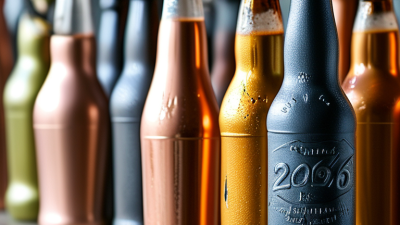
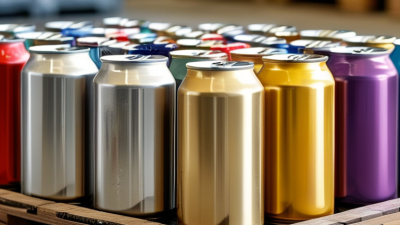
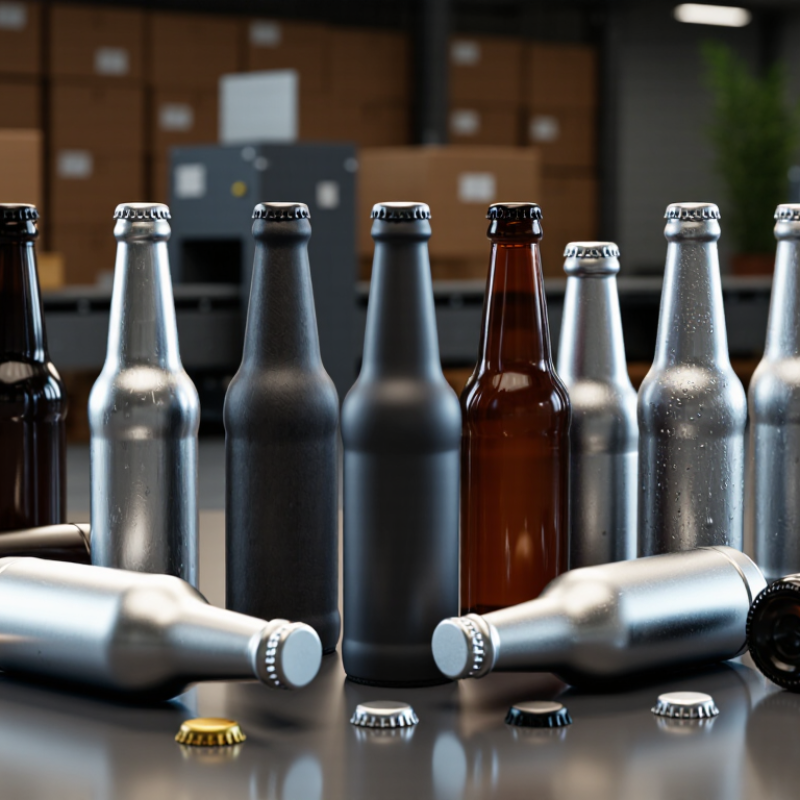
Aluminum beer bottles come in several practical formats. Single-use bottles suit retail shelves, festivals, and export shipments. Refillable designs work better for controlled distribution systems. Closures may include screw caps, crown caps, or resealable tops. Each option changes filling speed, consumer convenience, and leakage risk. Lightweight walls reduce transport weight, but excessive thinning can cause dents during handling.
Most beverage bottles use packaging-grade aluminum alloys selected for strength, formability, and corrosion resistance. Common alloy families include 3003 and 3104 for formed bodies, while neck and closure components may require different materials. An internal coating helps protect beer from metallic contact and flavor changes. Buyers should request coating specifications, food-contact documents, seam or thread tests, and migration reports. Global requirements differ. A supplier’s test data should match the destination market and filling process.
Tips: Check the bottle after pasteurization, cooling, stacking, and vibration testing. A sample that survives the warehouse may still fail on a rough road. Ask about oxygen transmission, coating adhesion, cap torque, and recycling compatibility. Dark beer, bright graphics, and textured finishes can improve shelf appeal, yet decoration may hide small dents. In practical sourcing, the cheapest unit is not always the safest choice. I have seen attractive packaging lose value through inconsistent neck dimensions. That detail deserves more attention.
Top Formats Compared: 250–500 mL Sizes, Closures, and Barrier Systems
Aluminum beer bottles from 250 to 500 mL serve different drinking occasions and distribution needs. The 250 mL format feels compact and suits tastings, events, and controlled portions. A 330 mL bottle remains a practical middle option for retail shelves. The 440 mL and 500 mL formats offer stronger value perception, but they need careful handling during transport. Larger sizes are not automatically better.
Closures influence freshness, opening experience, and filling-line compatibility. Crown-style closures provide a familiar seal and efficient high-speed processing. Screw closures support resealing, which can help outdoor and convenience-focused users. However, closure torque must remain consistent. Poor control may cause leakage or difficult opening. Barrier systems also deserve close attention. Internal coatings can reduce contact between beer and aluminum, helping protect flavor and carbonation. Yet coating performance depends on application quality, curing, and storage conditions. Buyers should request migration, pressure, and shelf-life test data from qualified suppliers. Real samples matter more than attractive specifications.
Tips:
Compare empty-bottle weight, pallet efficiency, closure availability, and recycling guidance together. Test filled bottles under heat, vibration, and extended storage. A barrier that performs well in a laboratory may behave differently in real logistics. I would also review seam quality and coating coverage with independent inspection when possible. That extra step costs time, but it can prevent expensive surprises.
Energy Benchmark: Aluminum Recycling Saves 95% Energy (IAI)
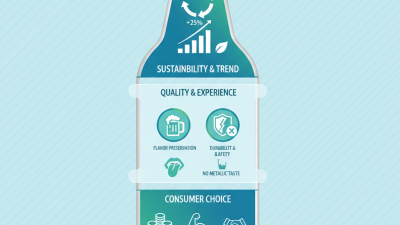
Top aluminum beer bottles for global buyers should be judged by more than appearance. Energy performance deserves close attention. According to the International Aluminium Institute, recycling aluminum can save up to 95% of the energy used for primary production. That figure makes recycled content a practical purchasing concern, not merely a marketing detail.
A suitable bottle should contain verified recycled aluminum and support efficient recovery after use. Buyers should request material documentation, recycled-content evidence, and clear collection guidance. Lightweight designs can reduce transport emissions, especially across long shipping routes. However, thinner walls may affect dent resistance, sealing, or filling-line performance. Test samples first. Small failures become expensive at scale.
Closures and internal coatings also require careful review. They should protect flavor without complicating recycling. Regional food-contact rules, labeling requirements, and packaging taxes can differ widely. Reliable suppliers should explain these points with traceable documents. The 95% energy-saving benchmark is powerful, but it is not a complete lifecycle result. Energy mixes, transport distances, and recovery rates change the final impact. Some calculations remain imperfect. Buyers should challenge broad claims and request local data. A bottle that performs well in one market may need redesign elsewhere.
Recycling aluminum requires approximately 95% less energy than producing primary aluminum from raw materials. This chart uses primary aluminum as a 100-point energy benchmark; recycled aluminum therefore represents about 5 points. Lower energy demand can be an important consideration for global buyers evaluating aluminum beer bottles.
Industry Stock Metric: 75% of Ever-Made Aluminum Remains in Use (IAI)
What Are the Top Aluminum Beer Bottles for Global Buyers?
For global buyers, top aluminum beer bottles combine low weight, reliable sealing, and verified recycling performance. The strongest options use food-contact-safe linings and closures that protect flavor during transport. They should also tolerate stacking, vibration, and temperature changes across long supply routes.
The industry metric deserves careful attention. The International Aluminium Institute reports that about 75% of all aluminum ever produced remains in use today. That figure reflects aluminum’s long service life and strong recovery value. It does not mean every bottle gets recycled. Recycling rates vary between regions, collection systems, and consumer habits. Still, the material can return to production repeatedly with limited quality loss.
Sourcing teams should request recycled-content data, production certificates, and clear material specifications. Bottle weight matters, but thinner is not always better. A weak shoulder or poorly fitted cap can create costly leakage and breakage. In practical reviews, buyers should test filled bottles through vibration, pressure, and temperature trials. They should also confirm compliance with food-packaging rules in each destination market. A polished sustainability claim can hide gaps in collection or traceability. That deserves scrutiny. Suppliers with measurable recovery plans may offer stronger long-term value than suppliers promising only attractive packaging. Something may be recyclable in theory, yet unavailable to local recovery networks.