China Best Aluminum Can Manufacturers for Global Buyers?
The aluminum can industry is experiencing significant growth globally, with rising demand for lightweight and recyclable packaging solutions. According to a report by Grand View Research, the global aluminum can market was valued at approximately $60 billion in 2021 and is expected to grow at a compound annual growth rate (CAGR) of over 5% through 2028. This trend is driven by increasing consumer preference for sustainable packaging.
China, as a major player, is home to numerous reputable aluminum can manufacturers. These companies leverage advanced technology and efficient production methods. Notably, they produce a wide range of high-quality aluminum cans for beverages and food. However, the competition among manufacturers in China is fierce. Many strive to innovate while ensuring compliance with environmental regulations.
Exploring the options available from Chinese aluminum can manufacturers is essential for global buyers. They must consider factors like product quality, cost efficiency, and sustainability practices of these manufacturers. It is a complex landscape, and making informed choices is crucial. The wrong decision could lead to delays or increased costs. Understanding these dynamics is vital for successful partnerships in this industry.
Overview of China’s Aluminum Can Manufacturing Industry
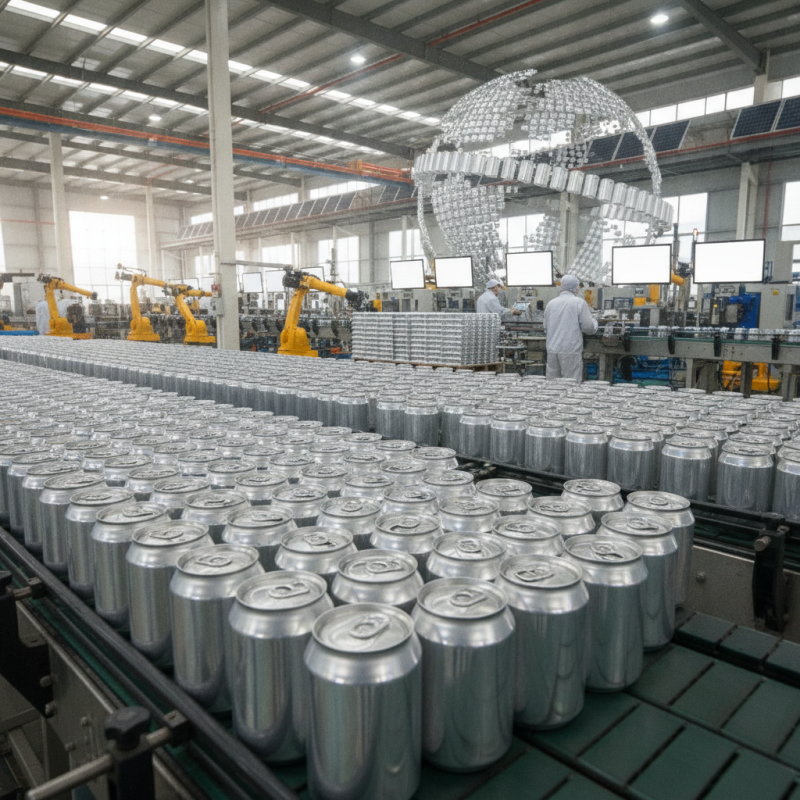
China's aluminum can manufacturing industry plays a critical role in the global market. The sector has seen rapid growth in recent years, driven by a surge in beverage consumption. Manufacturers are focusing on sustainability. They aim to produce lighter and more recyclable cans, which appeal to eco-conscious consumers.
Production facilities often feature advanced technologies, enhancing efficiency and precision. However, not all factories adhere to high standards. Some lack proper quality control measures, leading to inconsistent product performance. Buyers must conduct thorough audits of potential suppliers to ensure they meet necessary specifications.
Tips: When searching for manufacturers, prioritize those with certifications. Look for ISO 9001 for quality management. Don’t overlook the importance of customer reviews, as they provide insights into reliability. Additionally, consider suppliers' environmental practices. Green initiatives can reflect a manufacturer's commitment to long-term sustainability.
Key Players in China's Aluminum Can Manufacturing Market
China's aluminum can manufacturing sector is thriving, catering to the growing demand for
sustainable packaging. The country produced over 70 billion aluminum cans in 2022, making it a key player in this industry.
The market is anticipated to grow further, driven by consumer preference for lightweight and recyclable packaging solutions.
Various manufacturers occupy this landscape, each contributing uniquely. Some are investing in advanced technologies to enhance
production efficiency. Others focus on sustainability, using recycled aluminum to reduce environmental impact. For
instance, reports indicate that using recycled aluminum can save up to 95% of energy compared
to new aluminum production.
However, the industry faces challenges. Quality control is inconsistent across manufacturers. Some companies struggle to meet
international standards, leading to potential waste and inefficiencies. The regulatory environment also poses hurdles,
as compliance can be complex. Addressing these issues is crucial for manufacturers aiming to compete on a global scale. The potential for innovation remains, but companies must navigate these challenges carefully.
Quality Standards and Certifications for Aluminum Cans in China
In the competitive landscape of aluminum can manufacturing in China, quality standards and certifications play a crucial role. Manufacturers must adhere to rigorous protocols to ensure the safety and reliability of their products. Key certifications include ISO 9001 and ISO 14001, which focus on quality management and environmental responsibilities. These standards build trust among global buyers.
However, not all manufacturers meet these stringent requirements. Some may lack proper certifications, affecting their credibility. Buyers should conduct thorough due diligence. Visiting factories can provide insights into their processes and standards. Observing operations helps evaluate their commitment to quality. It is essential to question certifications and ensure authenticity.
Moreover, materials used in production significantly impact the final product's quality. Manufacturers should use high-grade aluminum that meets industry standards. This choice affects everything, from durability to recyclability. Quality checks during production are vital. They prevent defects and ensure consistency. Overall, while many companies strive for excellence, it's critical to test and verify before making commitments.
Export Trends of Chinese Aluminum Cans to Global Markets
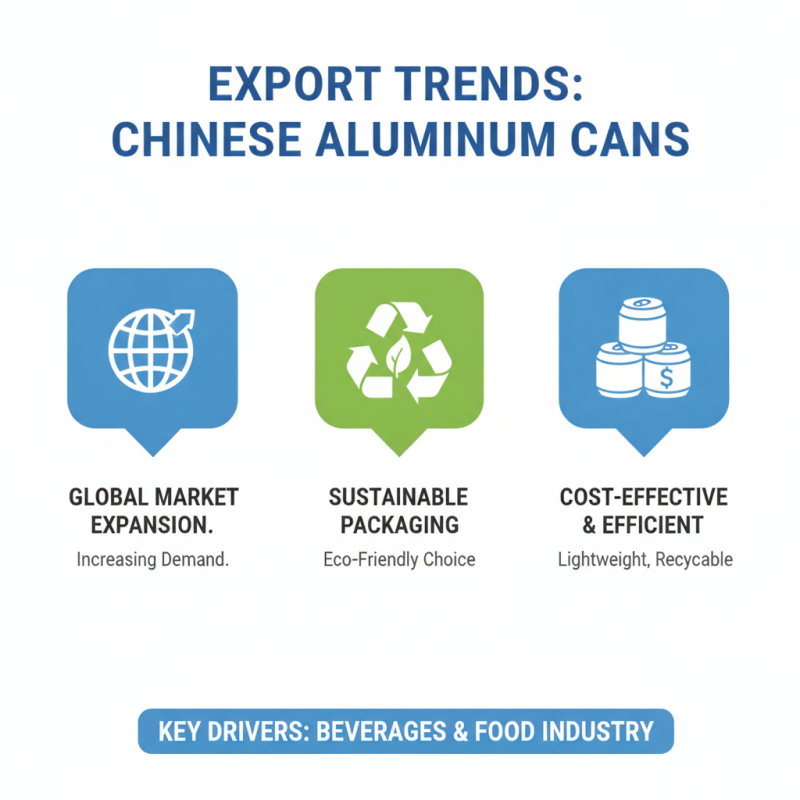
Chinese aluminum can manufacturers are increasingly tapping into global markets. This trend reflects a growing demand for sustainable packaging solutions. Aluminum cans are lightweight, recyclable, and cost-effective. They have become popular for beverages and food products worldwide.
The export patterns reveal significant growth. In recent years, China has expanded its reach across Asia, Europe, and North America. There is a noticeable shift towards environmentally friendly materials. Many consumers are now seeking recyclable options. This trend presents an opportunity for manufacturers to align products with consumer values.
Tips: Focus on quality control. It's essential for ensuring that the cans meet international standards. Regular audits and testing can help maintain this. Additionally, understanding market needs can guide design and innovation. Analyze which types of cans are gaining traction in specific regions.
The market is competitive, yet there are pitfalls. Some manufacturers may overlook compliance with local regulations. Staying informed about these rules is crucial for success. A misstep can result in lost opportunities. Therefore, knowledge and adaptability are key to thriving in this industry.
Innovations and Sustainability Practices in Aluminum Can Production
Aluminum can production is undergoing significant innovations. Many manufacturers in China are adopting eco-friendly practices. They focus on reducing waste and using recycled materials. Advanced technologies are enhancing efficiency in production lines. For example, new processes can cut energy consumption by nearly 30%. This change not only saves resources but also minimizes carbon footprints.
Sustainability also reflects in the design of the cans. Lightweight versions are becoming more popular. These use less metal, further decreasing environmental impact. However, not all manufacturers have adapted quickly enough. Some still rely on outdated practices, raising concerns about their sustainability efforts. Buyers need to scrutinize production processes closely. Understanding a manufacturer's commitment to eco-friendly practices helps in making informed choices.
The journey toward sustainability is ongoing. While progress is evident, there are still gaps to fill. Some innovations have yet to reach mass production. Continuous collaboration across the industry could drive further improvements. Sharing best practices and technologies can lead to stronger sustainability outcomes. This approach supports a greener future in aluminum can manufacturing.