Top Aluminum Can Suppliers for Your Global Sourcing Needs?
As global demand for aluminum cans surges, finding the right suppliers becomes crucial. Industry expert John Rockefeller emphasizes, "Quality and sustainability are key in selecting aluminum can suppliers." This highlights the importance of choosing partners who understand market dynamics. Suppliers must not only meet production scales but also adhere to eco-friendly practices.
Choosing the right aluminum can suppliers affects brand reputation. With increasing scrutiny on environmental impacts, brands need to align with innovative manufacturers. An effective partnership can enhance product quality and promote sustainability. Research shows consumers prefer brands that demonstrate responsibility.
However, challenges remain. Not all suppliers meet expectations consistently. Businesses must conduct thorough evaluations, looking beyond pricing. Navigating this landscape requires diligence and a commitment to quality. Ultimately, the right supplier can make a significant difference in a brand's success.

Overview of the Global Aluminum Can Market and Its Importance
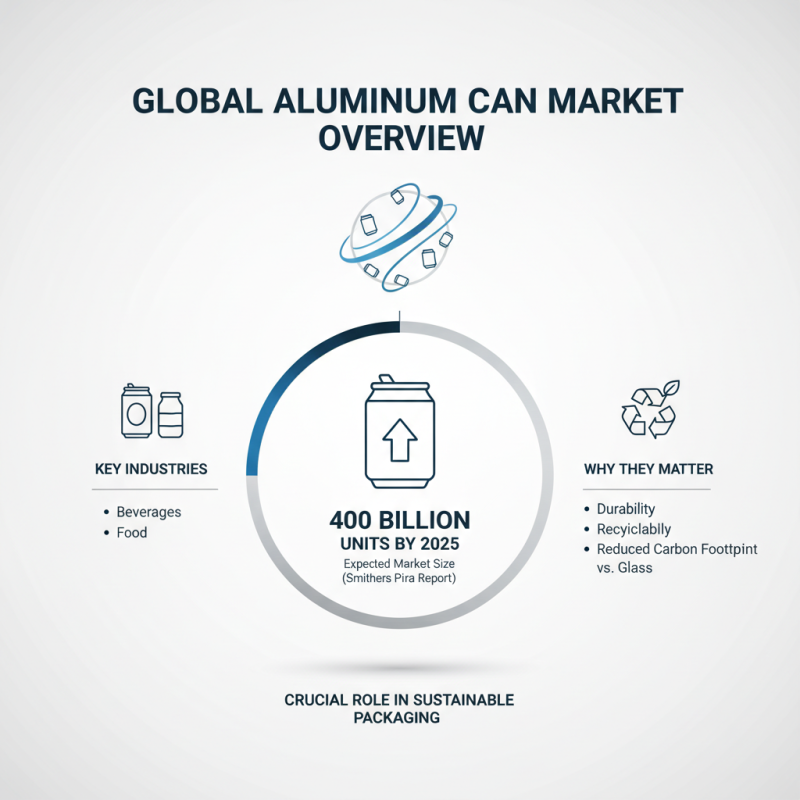
The global aluminum can market plays a crucial role in packaging. According to a recent report by Smithers Pira, the market is expected to reach 400 billion units by 2025. Many industries, including beverages and food, rely heavily on aluminum cans for their durability and recyclability. These cans significantly reduce the carbon footprint of packaging compared to glass.
Tips: Always consider sourcing from suppliers who prioritize sustainability. It ensures your procurement aligns with eco-friendly practices.
Demand for aluminum cans is rising due to consumer preference for lightweight and portable packaging. Aluminum, being infinitely recyclable, appeals to environmentally conscious brands. However, the market can be unpredictable due to fluctuating raw material prices and regional supply chain disruptions.
Tips: Keep an eye on market trends and anticipate price changes to mitigate risks in sourcing.
Understanding the importance of these factors is vital for global sourcing. Engaging with specialized reports can enhance your strategy. Reports by the Aluminum Association often provide insights into market dynamics, helping stakeholders make informed decisions.
Key Criteria for Selecting Aluminum Can Suppliers
Selecting the right aluminum can supplier is crucial for businesses aiming to optimize their production process. Consider factors like quality assurance and sustainability practices. Reliable suppliers typically have certifications that demonstrate their commitment to quality. Evaluate their production capabilities and ensure they can meet your volume needs without compromising standards.
Another key criterion is the supplier's ability to innovate. The aluminum can industry is evolving, with advancements in design and technology. Suppliers that invest in research and development often provide better solutions for modern packaging challenges. Assess their track record in delivering innovative products.
Additionally, communication plays a vital role in supplier relationships. A supplier who is responsive and transparent will help resolve issues faster. Regular updates on order status can prevent delays. Look for partners who prioritize effective communication as part of their service. In searching for a supplier, balance these factors carefully; they can significantly impact your sourcing success.
Top Aluminum Can Suppliers for Your Global Sourcing Needs
| Criteria |
Supplier A |
Supplier B |
Supplier C |
| Production Capacity |
50 million cans/month |
30 million cans/month |
40 million cans/month |
| Quality Certifications |
ISO 9001, FDA |
ISO 9001 |
ISO 9001, FSSC 22000 |
| Lead Time |
2 weeks |
3 weeks |
2.5 weeks |
| Global Reach |
North America, Europe |
Asia, Europe |
Worldwide |
| Sustainability Practices |
Recycling initiatives |
Energy-efficient processes |
Carbon footprint reduction |
Top Regions for Sourcing Aluminum Cans Globally
When considering global sourcing for aluminum cans, specific regions stand out due to their production capabilities and robust supply chains. Countries like China, India, and the United States have become key players in the aluminum can market. Reports indicate that China alone accounts for nearly 50% of global aluminum can production. This prominence is attributed to its expansive manufacturing base and lower labor costs.
India is also emerging as a significant sourcing hub. The country’s aluminum production capacity is projected to reach 5 million tons by 2025, driven by a growing beverage industry. This surge positions India as a favorable alternative for companies looking to diversify their supply chains. The investment in infrastructure further strengthens its role in the global market.
In addition, the U.S. is noteworthy for its advanced technology in can manufacturing. With stringent quality standards, American suppliers ensure high durability and performance. Industry studies emphasize that U.S. manufacturers guarantee shorter lead times due to proximity to major consumers. However, fluctuations in tariffs and trade policies can impact sourcing strategies, prompting companies to reassess their options frequently.
Understanding regional dynamics is crucial for effective sourcing of aluminum cans. Each region offers unique advantages, yet companies must remain vigilant about potential challenges and changes in the market landscape.
Leading Aluminum Can Suppliers and Their Unique Offerings
When considering aluminum can suppliers, it’s essential to explore their unique offerings. Many manufacturers specialize in sustainable practices. They often use recycled materials, which reduces environmental impact. This approach not only helps the planet but can also attract eco-conscious clients. High-quality cans are designed to preserve freshness while ensuring durability.
Some suppliers offer customization options. You can choose from various sizes and shapes. This allows brands to differentiate their products in a crowded market. However, not all custom solutions are created equal. Some suppliers may have limited capabilities or longer lead times. It’s wise to evaluate their manufacturing processes.
Tips for sourcing: Look for suppliers with a strong commitment to quality control. Check their certifications and industry standards. Also, inquire about their sourcing practices for raw materials. Transparency is crucial for building trust. Don’t hesitate to ask for references from other clients. Ultimately, the right partner can make a significant difference in your business performance.
Trends and Innovations in the Aluminum Can Industry
The aluminum can industry is evolving rapidly, driven by sustainability and innovation. Consumers are increasingly aware of environmental issues. This awareness pushes companies to use recycled materials. The focus is on lightweight designs that reduce energy consumption during transportation.
New manufacturing techniques are reshaping production. Advanced technologies help optimize the shaping process. These innovations can enhance durability while maintaining a low carbon footprint. For suppliers, it's crucial to stay updated on these trends to meet market demands.
Tips: Regularly evaluate supplier capabilities. Investigate their sustainability practices. Look for suppliers who embrace new technologies. This practice can ensure you find partners aligned with your values. Collaborating with innovative suppliers may lead to better materials and designs, benefiting your overall sourcing strategy.