What is UVLED Flatbed Printing and How Does It Work?
UVLED Flatbed Printing is a modern technology that transforms how we create and personalize printed materials. This process utilizes ultraviolet (UV) light-emitting diodes (LEDs) to cure or dry the ink instantly. The method offers precise, high-quality prints on various surfaces, which traditional methods often struggle to achieve. For instance, it can print on materials like wood, glass, metal, and plastic, expanding creative possibilities.
This innovative printing technique has notable advantages. It reduces production time and increases efficiency. However, is it suitable for every application? One must consider factors such as cost and intended use. Challenges do exist, like the need for specialized equipment and training. As more businesses explore UVLED Flatbed Printing, it brings both opportunities and complexities.
In this evolving landscape, it’s essential to reflect on the impact of this technology. While the results are impressive, we must evaluate its sustainability and environmental effects. Are we prioritizing innovation at the expense of our planet? As we delve deeper into UVLED Flatbed Printing, understanding its full implications is crucial for responsible advancement.
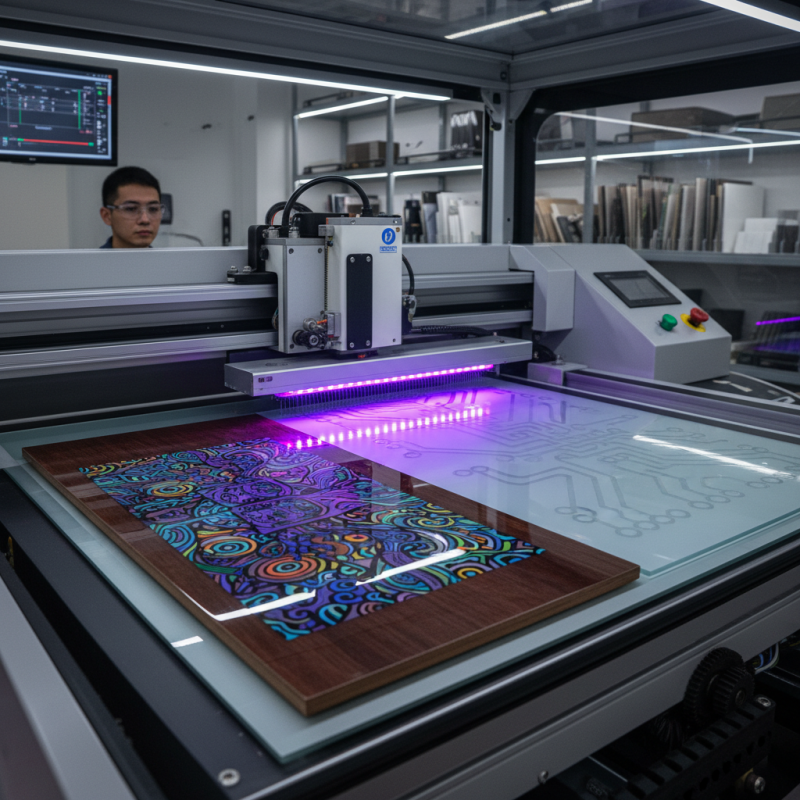
What is UVLED Flatbed Printing?
UVLED flatbed printing is an innovative technology that utilizes UV light to cure inks. This process allows for high-quality prints on a variety of surfaces, including wood, metal, and glass. The versatility of UVLED printers has transformed how industries approach print projects. They can produce vivid colors and sharp images, enhancing product appeal and customer engagement.
The mechanics behind UVLED flatbed printing involve the use of UV lamps that polymerize the ink as it is applied. This allows for immediate drying, creating a robust and durable finish. According to a report from the Freedonia Group, UV printing is expected to grow by over 15% annually. This is driven by increasing demand for customized products in packaging and signage sectors. Businesses can also reduce waste, as the UV curing process minimizes ink absorption by substrates.
However, there are challenges to consider. Initial costs for UVLED printers can be high. Moreover, not all substrates are compatible with UV inks. Proper surface preparation and post-printing processes are essential for success. Companies must weigh these factors carefully against the benefits of improved quality and efficiency. As technology advances, further research is needed to optimize the use of UVLED in diverse applications.
Key Components of UVLED Flatbed Printing Technology
UVLED flatbed printing is a cutting-edge technology that utilizes ultraviolet light for curing inks instantaneously. One critical component is the UVLED lamp. This lamp emits UV light, which activates the photoinitiators in the inks. This process enables rapid drying, allowing for efficient and high-quality printing. According to a recent industry report, UVLED printing can reduce energy consumption by up to 50% compared to traditional methods.
The flatbed printer's ink delivery system is another important aspect. Unlike roll-to-roll printers, flatbed printers lay the material flat. This design allows for direct printing on thick or heavy substrates. The technology is flexible, enabling prints on materials like wood, metal, and glass. Industry leaders suggest that this versatility can lead to new market opportunities. However, achieving optimal print quality requires precision in setting ink viscosity and curing parameters.
Finally, the software used for UVLED flatbed printing plays a significant role. It controls the printer's settings and color management. While many software solutions are available, not all provide equal functionality. Some have limitations that can lead to color inaccuracies. Users must evaluate their options carefully. Inadequate software choice can result in unsatisfactory print outcomes. Understanding these components is essential for leveraging UVLED flatbed printing effectively.
UVLED Flatbed Printing Technology: Key Component Performance Comparison
The Printing Process: Step-by-Step Breakdown
UVLED flatbed printing is a unique technology in the printing industry. The process begins with a digital file being prepared. This file specifies the design, colors, and dimensions. Once ready, it's sent to the printer. This part is fairly straightforward, but mistakes can happen if the file is not clean. Blurriness or incorrect colors can arise from improper preparation.
Next, the flatbed printer takes over. The surface material is placed on the flatbed. The printer jets UV-curable ink directly onto the material. Each color is layered until the image is complete. At this stage, precision is critical. If the alignment is off, the final product may look unprofessional. This can be a frustrating experience for printers and clients alike.
Finally, ultraviolet lamps instantly cure the ink. This ensures the print is durable and can withstand various conditions. However, the curing process can sometimes be uneven. This imperfection might require adjustments in technique. A careful review of the print is essential to catch any issues before delivery. Overall, while UVLED flatbed printing offers great versatility, some challenges must be addressed for the best results.
Applications and Advantages of UVLED Flatbed Printing
UVLED flatbed printing is gaining traction in various industries due to its unique advantages. This technology uses ultraviolet light to cure or dry inks on a wide range of materials. The growth rate of this market is exciting. According to a recent report by Smithers Pira, the UV printing market is expected to reach $30 billion by 2025. This shows a strong demand for UVLED flatbed printing solutions.
One key application of UVLED flatbed printing is in signage. Businesses value this method for producing vibrant, durable displays. The printing allows for direct printing on materials like foam boards, acrylics, and metals. This versatility opens doors to creative promotional materials. Another application is in packaging, as brands seek innovative designs. A report from the Freedonia Group highlights that custom packaging has grown by 5% annually. This trend favors UVLED technology for its efficiency and color fidelity.
Despite its benefits, challenges remain. The initial cost of UVLED printers can be steep, which may deter some small businesses. Additionally, the technology requires careful handling of inks and substrates. There are also concerns about the recyclability of the printed products. As the industry evolves, addressing these issues will be critical for sustained growth.
Comparing UVLED Flatbed Printing with Traditional Methods
UVLED flatbed printing offers unique advantages over traditional printing methods. Instead of relying on liquid inks, it uses UV-curable inks that quickly dry when exposed to UV light. This process allows for vibrant colors and detailed images on various surfaces. Unlike traditional methods, which may require extended drying times, UVLED printing provides immediate results. It works on materials like wood, metal, and glass, making it versatile.
However, traditional printing can excel in certain areas. For example, screen printing is often more cost-effective for large runs. It can produce consistent colors over long periods. The setup time can be a downside for UVLED, especially for smaller projects. Also, while UVLED inks are durable, they may not always match the softness of water-based inks used in other methods.
There are trade-offs between durability and feel. Businesses must weigh their priorities when choosing between these methods. Each has its strengths and weaknesses, reflecting different project needs. With ongoing advancements, the gap may narrow, but careful consideration remains essential.