

One Llodio Drive, Hermitage, PA USA 16148

Top 10 Packaging Pharmaceutical Innovations Transforming the Industry?
In today's rapidly evolving landscape, packaging pharmaceutical innovations are reshaping industry standards. As companies strive to enhance product safety and efficacy, innovative packaging solutions are gaining momentum. These advancements include smart labels, tamper-proof designs, and sustainable materials that aim to meet consumer needs and regulatory demands.
One notable trend is the shift towards intelligent packaging. These smart systems provide real-time information about drug conditions. They can monitor temperature and humidity, ensuring product integrity. However, the challenge remains in integrating these technologies seamlessly. Many solutions still face issues with scalability and cost-effectiveness.
Moreover, sustainability is becoming imperative. Pharmaceutical companies are exploring biodegradable materials and recyclable options. Yet, finding the right balance between safety and environmental impact can be difficult. The industry must continue to reflect on these innovations to truly meet the demands of modern healthcare while ensuring patient safety is not compromised.
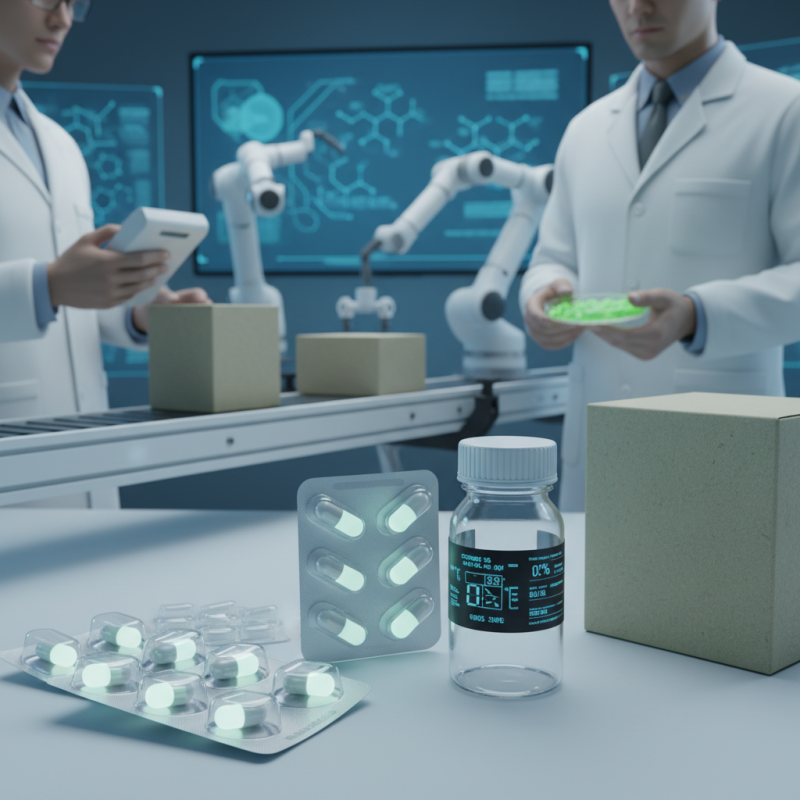
Advancements in Smart Packaging Technology for Pharmaceuticals
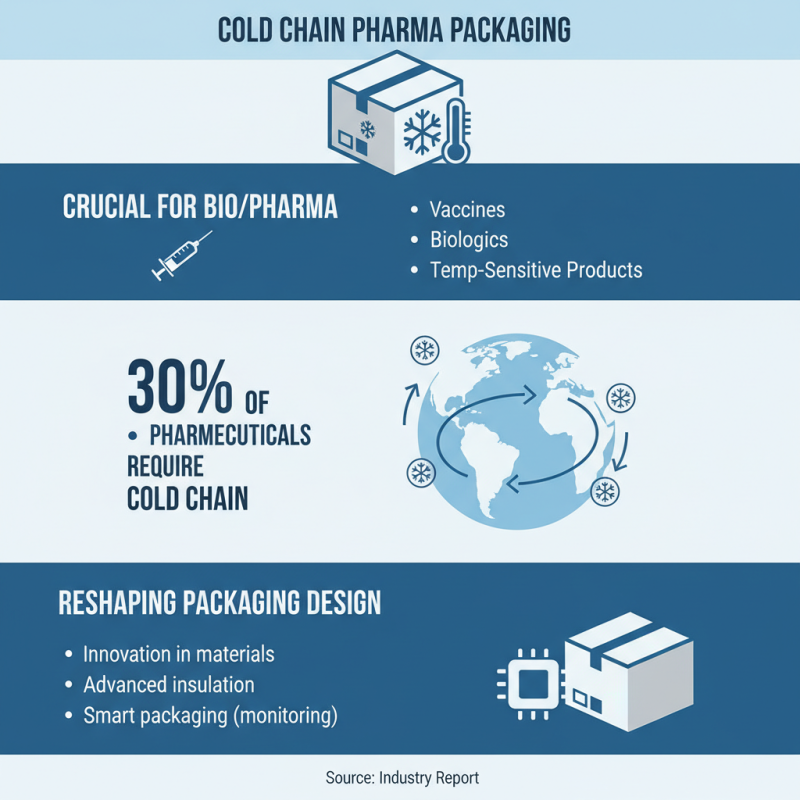
Smart packaging technology is reshaping the pharmaceutical industry in remarkable ways. Innovations like temperature sensors and moisture indicators are crucial. According to a recent report, nearly 30% of pharmaceuticals are affected by temperature fluctuations during transport. This translates to over $30 billion in losses annually. Smart packaging can help mitigate these issues significantly.
In addition to temperature control, there is an essential focus on patient engagement. Interactive packaging, which includes QR codes or NFC tags, enables consumers to access important information. Data suggests that about 75% of patients are more likely to adhere to medication when provided with interactive features. However, not all regions have the same access to technology, leading to disparities in engagement.
Despite these advancements, challenges remain. The integration of smart technologies can be costly and complex, which may alienate smaller manufacturers. Additionally, consumer trust in the technology's reliability is still a concern. A survey indicated that 40% of users are skeptical about smart packaging benefits. As the industry evolves, these areas require continuous reflection and improvement.
Top 10 Packaging Pharmaceutical Innovations Transforming the Industry
| Innovation | Description | Benefits | Impact on Industry |
|---|---|---|---|
| Smart Blister Packaging | Packaging that incorporates sensors to monitor medication adherence. | Improves patient compliance and reduces medication waste. | Helps healthcare providers track patient adherence in real time. |
| Tamper-Evident Packaging | Packaging that indicates if a product has been tampered with. | Enhances product safety and builds consumer trust. | Reduces risk of counterfeit drugs in the market. |
| QR Code Integration | Use of QR codes to provide product information and authentication. | Facilitates easier access to information for healthcare professionals and patients. | Promotes transparency in the pharmaceutical supply chain. |
| Temperature-Controlled Packaging | Packaging that maintains optimal temperature for sensitive drugs. | Ensures drug efficacy during transportation and storage. | Supports logistics for temperature-sensitive medical products. |
| Recyclable Packaging Materials | Use of sustainable packaging materials that are eco-friendly. | Reduces environmental impact and promotes sustainability in the industry. | Aligns with global sustainability goals in the pharmaceutical sector. |
| Active Packaging Systems | Packaging that interacts with the environment to extend shelf life. | Enhances product safety and quality during storage. | Helps pharmaceutical companies reduce product wastage. |
| Child-Resistant Packaging | Packaging designed to be difficult for children to open. | Prevents accidental ingestion of medications by children. | Meets safety regulations and protects vulnerable populations. |
| Dose Management Systems | Integrated systems to manage and dispense medication doses. | Improves adherence and management of complex medication regimens. | Facilitates personalized medicine and enhances patient outcomes. |
| Smart Labels | Labels embedded with digital technology for real-time monitoring. | Provides detailed product information and ensures compliance. | Enhances overall product traceability and security. |
| Automated Repackaging Systems | Automated systems for repackaging medications for individual doses. | Increases efficiency and reduces medication errors. | Streamlines the workflow in pharmacy operations. |
Related Posts
-
What is Packaging in the Pharmaceutical Industry? Understanding Its Importance and Innovation
-
Top 10 Aerosol Manufacturers You Should Know About in 2023
-
2026 Top Trends in Water in Aluminum Bottles for Sustainable Living?
-
How to Choose the Best Aluminum Bottle Packaging for Your Product
-

2026 Best Aerosol Can Manufacturers You Should Know About?
-

Top 10 Benefits of Using Water in Aluminum Bottles for Your Health and Environment