Top 10 Pharmaceutical Containers You Need to Know About?
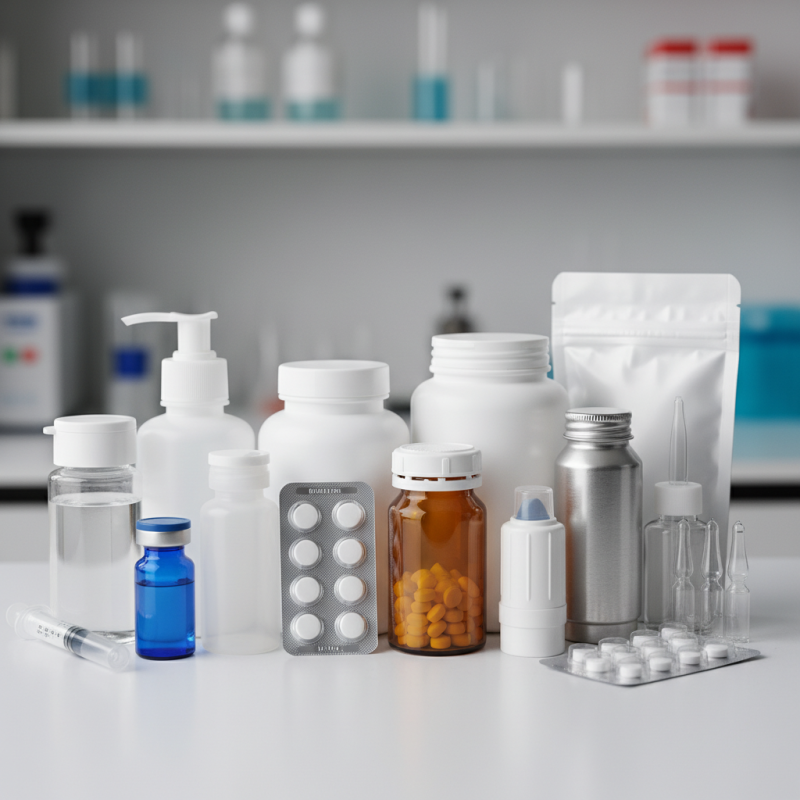
In the world of pharmaceuticals, effective packaging plays a pivotal role. The right pharmaceutical containers can ensure the safety, efficacy, and longevity of medications. From pill bottles to blister packs, these containers come in various shapes and sizes. Each type serves a purpose tailored to specific needs.
Understanding these containers is essential for health professionals and consumers alike. They must consider factors such as material, closure, and compatibility with the medication. Each decision impacts both the usability and the stability of the drugs. Yet, some pharmaceutical containers fall short in design or functionality. Evaluating these flaws helps improve future innovations.
As you explore our top ten list of pharmaceutical containers, you'll uncover the potential benefits and limitations. Knowing the right container can enhance patient safety and medication adherence. However, not all options will meet every need. It’s crucial to acknowledge these complexities while seeking optimal solutions.
Overview of Pharmaceutical Containers and Their Importance
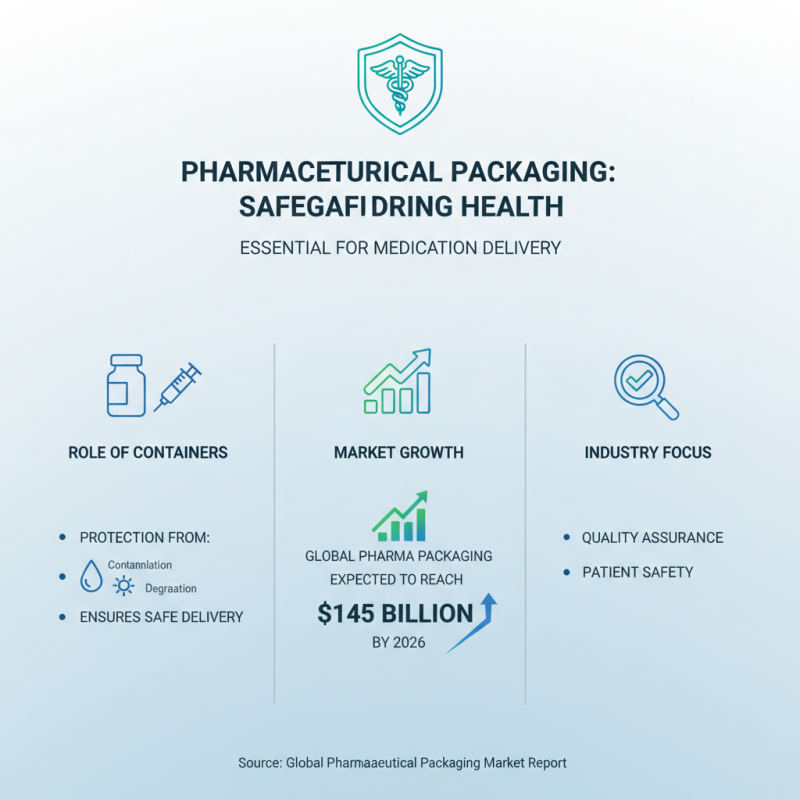
Pharmaceutical containers are essential for safe medication delivery. They protect drugs from contamination and degradation. According to the Global Pharmaceutical Packaging Market Report, the packaging sector is expected to reach $145 billion by 2026. This emphasizes the industry's focus on quality and safety.
Different types of containers play varying roles. Bottles, vials, and blister packs serve specific functions. For example, amber glass bottles help protect light-sensitive compounds. Inadequate packaging can lead to product spoilage. Nearly 25% of pharmaceuticals face degradation risks due to poor packaging choices.
Sustainability is another key concern. The rise in eco-conscious consumers urges manufacturers to shift to biodegradable materials. The United Nations estimated that plastic pollution could impact over 600 marine species. Thus, manufacturers must rethink their packaging methods. Innovation is not just about functionality; it’s about responsibility.
Types of Materials Used in Pharmaceutical Container Manufacturing
When it comes to pharmaceutical containers, the choice of materials is crucial. Various materials are widely used for manufacturing these containers, each with its unique properties. Common options include glass, plastics, and aluminum. Glass containers are non-reactive and provide excellent barrier protection. They are often used for injectables and sensitive formulations.
Plastics, such as polyethylene and polypropylene, are lightweight and shatter-resistant. These materials are versatile and can be molded into various shapes. However, they can sometimes interact with the drug they hold. This is a critical factor to consider, as it might compromise the medication’s efficacy.
Tip: Always research the compatibility of the material with the drug. Check for any potential reactions. Aluminum is also popular, particularly for packaging. It offers barrier protection and is recyclable. However, considerations about leaching must be addressed.
Tip: Evaluate your packaging needs regularly. Consider sustainability in your choices. Understanding the type of container required for specific medications can impact patient safety and drug stability significantly. Each material has its strengths and weaknesses, and those should not be overlooked.
Key Features and Specifications of Reliable Pharmaceutical Containers
When choosing pharmaceutical containers, it’s crucial to focus on reliable features. Materials used in containers should be inert and compatible with the substances they hold. Glass and high-grade plastic are common choices. Both materials protect the integrity of medications. They resist moisture and prevent contamination. Color-coded containers can also help in quick identification.
Leak-proof seals are essential. They ensure that liquids stay contained. This feature is vital for protecting both the product and the user. Size options matter too. Containers should offer various volumes to accommodate different medication quantities. However, size selection can be tricky. A container that is too large may expose contents to air and light, which can degrade quality.
Labels on these containers must be clear and easy to read. Important information like dosage instructions should be prominent. Unfortunately, poor labeling is a common error. It can lead to misuse or confusion. Quality assurance tests should be regular. These checks help evaluate container performance over time. Failing to address these issues can lead to potentially serious consequences.
Top 10 Pharmaceutical Containers You Need to Know About
| Container Type |
Material |
Capacity (mL) |
Closure Type |
Key Features |
| Vials |
Glass |
1-100 |
Rubber Stopper |
Sterilizable, clear visibility |
| Syringes |
Plastic |
1-50 |
Piston |
Single-use, various sizes |
| Ampoules |
Glass |
1-25 |
None |
Tamper-proof, oxygen-free environment |
| Blister Packs |
PVC, Aluminum |
Variable |
Peelable Seal |
Child-resistant, moisture protection |
| Dropper Bottles |
Glass, Plastic |
5-30 |
Dropper Cap |
Precise dosing, sterile |
| Pill Bottles |
Plastic |
30-500 |
Child-proof Cap |
Recyclable, light-resistant |
| Fluid Bags |
Polyethylene |
100-5000 |
IV Tube |
Flexible, easy to handle |
| Injectable Cartridges |
Glass, Plastic |
1-10 |
Luer Lock |
Compatible with various devices |
| Nasal Spray Bottles |
Plastic |
15-30 |
Spray Pump |
Dosage control, easy application |
| Transdermal Patches |
Polymer |
Variable |
Adhesive |
Controlled release, easy to use |
Regulatory Standards for Pharmaceutical Packaging and Labeling
When dealing with pharmaceutical packaging, regulatory standards are crucial. They ensure safety and efficacy in medication use. These standards vary by region but generally cover materials, testing, and labeling. Compliance helps prevent mix-ups and ensures that the patient receives the right dosage.
Tips: Always review local regulations before designing packaging. Ignoring them can lead to costly recalls. Also, consider the material’s compatibility with the drug. For instance, some substances can leach into the medication, altering its effectiveness.
Labeling is another key factor. It must include important information such as expiration dates, usage instructions, and storage conditions. Using clear fonts and colors can aid readability. Paying attention to these details enhances user experience. However, it's easy to overlook minor elements, thus reflecting on how labels are perceived is vital.
Tips: Regularly test label clarity with actual users. What makes sense to designers may confuse patients. Set user tests at the forefront of your design process.
Top 10 Pharmaceutical Containers You Need to Know About
Innovations and Trends in Pharmaceutical Container Technology
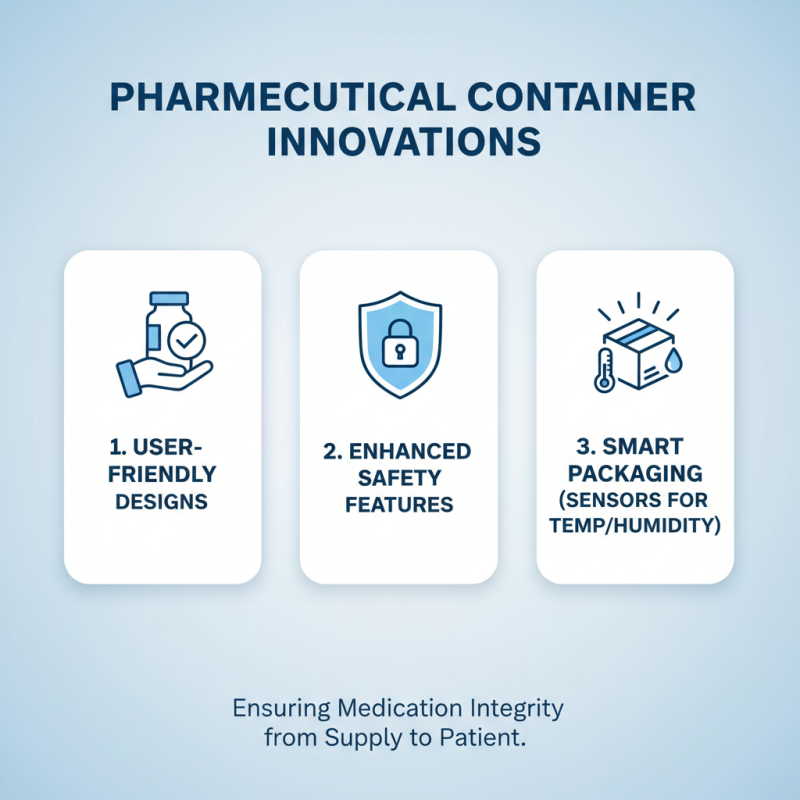
The pharmaceutical industry is experiencing significant innovations in container technology. Many recent developments focus on user-friendly designs and enhanced safety features. For instance, smart packaging solutions now incorporate sensors that monitor temperature and humidity. These innovations help ensure medication integrity throughout the supply chain.
Another trend involves environmentally friendly materials. Biodegradable options are gaining popularity, as sustainability becomes a priority. However, recyclable containers still pose design challenges. The balance between protection, usability, and environmental impact is not easily achieved.
A notable shift in design includes child-resistant features that are evolving. Modern containers must not only secure their contents but also be convenient for adults. Striking this balance often leads to complex solutions that may not be intuitive. As the industry adapts, further reflection on accessibility remains crucial for ensuring safety across all demographics.