Top Batching Plants for Global Buyers to Consider?
In the rapidly evolving construction industry, Batching Plants play a critical role. As demand for concrete grows, global buyers must choose wisely. According to a recent market report by Grand View Research, the global concrete batching plant market is projected to reach USD 4.3 billion by 2028. This growth underlines the importance of selecting high-quality Batching Plants.
However, navigating the options can be challenging. Various factors, including technology, capacity, and efficiency, must be considered. Buyers often overlook the need for reliable after-sales support. The right Batching Plants can streamline operations but may require significant investment. Some plants lack advanced features that enhance productivity.
Moreover, the industry faces pressures such as sustainability. Many companies are striving toward eco-friendly practices. Clean technologies utilized in Batching Plants are increasingly important. Nevertheless, some manufacturers may still prioritize cost over efficiency. Buyers should carefully evaluate what best suits their needs. Adopting a strategic approach to selecting Batching Plants will ultimately impact project success.
Top Features of Leading Batching Plants in the Global Market
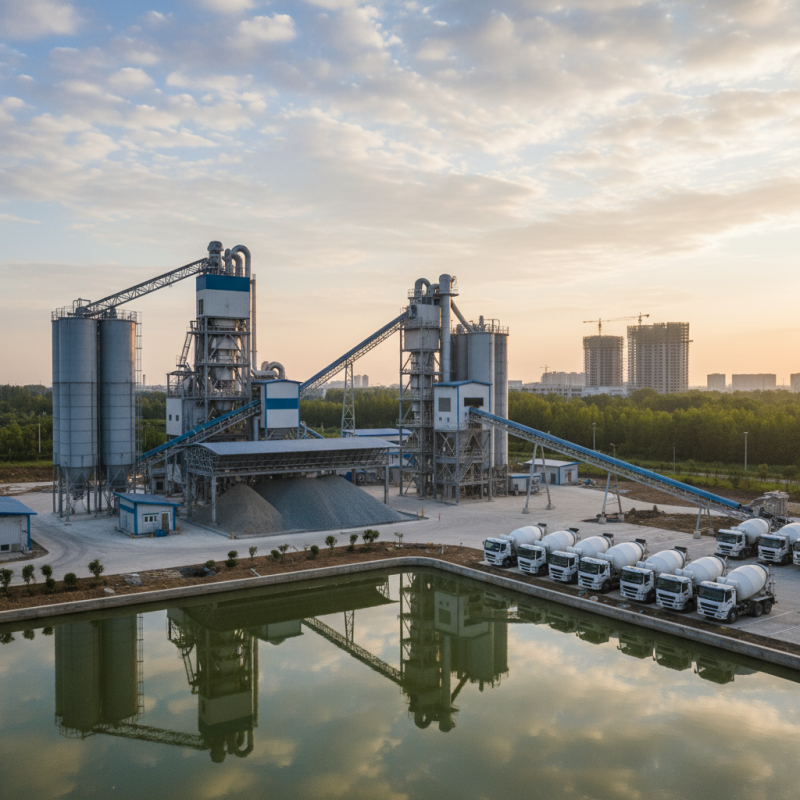
When considering batching plants, certain features stand out to buyers around the world. One key aspect is efficiency. Modern plants are designed to minimize downtime and optimize production speed. They often incorporate advanced technology for better control of ingredients. This ensures a consistent product quality, which is crucial for construction and industrial applications.
Adaptability is another vital feature. Batching plants can cater to different types of materials and varying production capacities. Buyers need to seek flexibility in designs. Some plants enable quick adjustments to mix proportions. This flexibility can be crucial when dealing with unforeseen project changes.
In terms of maintenance, user-friendly designs are essential. A plant that allows easy access to critical components saves valuable time during routine checks. However, many users overlook this aspect until issues arise. Proper guidance and documentation can significantly enhance maintenance efficiency. Ultimately, selecting the right batching plant requires careful consideration of these features, balancing technical capabilities with practical usability.
Key Players in the Batching Plant Industry: A Comparative Analysis
The batching plant industry has seen significant advancements, impacting global construction practices. Key players are constantly innovating to provide efficient, reliable solutions. They focus on high production capacity and lower energy consumption, vital for modern projects.
Analyzing market leaders reveals a range of technologies. Some plants emphasize automation and remote control features. Others prioritize compact designs, making them ideal for limited space. Each approach has potential drawbacks. For instance, automation may lead to higher initial costs.
Sustainability is another important focus area. Many manufacturers aim to reduce carbon footprints by utilizing recycled materials. However, the effectiveness of these technologies often varies by region. Buyers should consider environmental regulations in their markets. An informed decision should weigh the pros and cons of each option.
Innovative Technologies Driving Efficiency in Batching Plants
Innovative technologies are reshaping the batching plant landscape. As demand for quality construction materials grows, efficiency becomes paramount. Automation is a key driver in achieving this goal. Smart mixing systems ensure precise measurements and reduce waste. These advancements minimize human error, enhancing overall productivity.
Another important aspect is real-time monitoring. Sensors and IoT integration provide valuable data insights. Operators can track performance and adjust processes on the fly. This level of control leads to better resource management. However, assessing this data can be overwhelming. Companies need to develop strategies to utilize these insights effectively.
Sustainability is also a growing concern. Energy-efficient designs reduce carbon footprints. Innovations in recycling materials help conserve resources. However, transitioning to these methods can be challenging. Companies may face initial costs and training needs. Balancing innovation and practical implementation is essential for success.
Market Trends: Demand and Supply Analysis of Batching Plants Worldwide
The demand for batching plants is experiencing significant growth globally. According to a recent industry report by Research and Markets, the global concrete batching plants market is projected to reach USD 8.8 billion by 2026, expanding at a CAGR of over 6% from 2021. This surge is largely driven by rapid urbanization and infrastructure development, especially in Asia and Africa.
Supply dynamics are equally important to understand. Many manufacturers struggle to meet the rising demand due to supply chain disruptions. While some companies reported an increase in production, factors like material shortages and transportation challenges complicate these efforts. A report from Market Research Future highlights that the availability of raw materials, such as aggregates, is also a concern, which can complicate logistics and planning for projects.
Sustainability is another key trend shaping the industry. Many buyers are increasingly interested in eco-friendly batching plants. The adoption of advanced technologies, such as digital monitoring systems, enhances efficiency and reduces waste. However, the initial investment in these technologies can be a barrier for smaller companies. Balancing the need for innovation with economic constraints will be crucial as the market continues to evolve.
Environmental Regulations Impacting Batching Plant Operations Globally
Environmental regulations are shaping the future of batching plant operations worldwide. These laws are designed to reduce emissions and ensure sustainable practices. Companies must adapt their processes to comply with these regulations. Failing to do so can lead to hefty fines and loss of reputation in the industry.
Tips for compliance are crucial. Regularly assess your operations against local regulations. Consider investing in new technologies that reduce waste and improve efficiency. Training staff on eco-friendly practices can also yield significant benefits. Simple changes, like optimizing material usage, can make a big difference.
In specific regions, rules can vary greatly. Understanding these nuances is key. Batching plants might face stricter regulations in urban areas than in rural settings. These differences require careful planning and agility in operations. Continuous education on evolving environmental policies should be part of your strategy. Adjusting to change isn't always easy, but it's essential for long-term sustainability.