Top 10 Aerosol Manufacturers You Should Know?
In today's market, aerosol manufacturers play a crucial role in various industries. These companies produce essential products ranging from household cleaners to personal care items. The technology involved in creating aerosols is fascinating and complex.
Understanding the top players in this industry can help consumers make informed choices. Some manufacturers excel at innovation, while others focus on eco-friendly products. However, not all brands deliver the same quality.
Consumers often overlook the impact of their choices. Researching aerosol manufacturers might feel overwhelming. It is important to be aware of what goes into these products. A little knowledge can go a long way in ensuring safety and satisfaction.
Overview of the Aerosol Manufacturing Industry
The aerosol manufacturing industry is undergoing rapid changes. Growth is driven by rising demand for packaging and personal care products. According to recent market analysis, the global aerosol market is projected to reach approximately $75 billion by 2025. This growth reflects a shift towards convenience and enhanced performance in various applications.
Despite this promising outlook, the industry faces challenges. Environmental regulations are becoming stricter. Many manufacturers must adapt their processes to reduce emissions. For instance, the transition to more sustainable propellants is necessary. However, this shift can be costly and complex, leading to potential disruptions in supply chains.
Consumer preferences are also evolving. There is a growing demand for eco-friendly products. Innovative companies are beginning to explore biodegradable materials for aerosol packaging. Yet, not all manufacturers are keeping pace with these trends. As a result, some risk losing market share. This situation calls for a reflection on sustainability practices and the need for technological advancements.
Top 10 Aerosol Manufacturers Overview
| Rank |
Annual Revenue (in Million USD) |
Number of Employees |
Main Product Categories |
Global Presence |
| 1 |
1,200 |
3,500 |
Household, Personal Care |
North America, Europe, Asia |
| 2 |
900 |
2,800 |
Automotive, Industrial |
Europe, Asia |
| 3 |
850 |
2,200 |
Cosmetics, Pharmaceuticals |
North America, South America |
| 4 |
700 |
1,500 |
Food and Beverage, Cleaning Products |
Asia, Australia |
| 5 |
600 |
1,000 |
Household, Industrial |
North America, Europe |
| 6 |
500 |
800 |
Personal Care, Cosmetics |
Asia, Europe |
| 7 |
450 |
600 |
Household, Food Products |
North America |
| 8 |
400 |
500 |
Industrial, Automotive |
Europe, Asia |
| 9 |
350 |
400 |
Cosmetics, Personal Care |
Asia, North America |
| 10 |
300 |
350 |
Food Products, Cleaning |
South America, Europe |
Key Factors in Selecting Top Aerosol Manufacturers
When selecting top aerosol manufacturers, consider quality control. Robust quality checks ensure product safety and effectiveness. Look for manufacturers that use advanced technology for production. This often leads to better consistency in aerosol output.
Another crucial factor is sustainability. Companies that prioritize eco-friendly practices can create less waste. They may also use recyclable materials. Evaluating a manufacturer’s environmental impact can guide decisions. It’s worth examining their sourcing and energy consumption.
Additionally, customer service plays a significant role. Responsive and helpful support can enhance the overall experience. Look for firms that offer customization options. This flexibility could meet specific demands better. In the end, choosing the right aerosol supplier requires careful consideration of these aspects. It’s not just about products; it’s about building a reliable partnership.
Leading Global Aerosol Manufacturers: Profiles and Innovations
Aerosol manufacturing is a dynamic sector. Many companies invest in innovation. They focus on efficient packaging and sustainability goals. These manufacturers tackle environmental concerns. They develop products that reduce waste and enhance performance.
To choose the right aerosol products, consider their applications. Think about indoor use versus outdoor. Some aerosols are better for household cleaning. Others excel in industrial settings. The product’s design can affect usability. For example, a simple nozzle can improve accuracy.
Be aware that not all manufacturers prioritize safety. Research is essential. Look for certifications that indicate quality and compliance. Some products may have harmful propellants. Read labels carefully to ensure safety standards are met. Your choices impact not only safety but also environmental health. Stay informed for a better experience.
Market Trends Influencing Aerosol Production and Demand
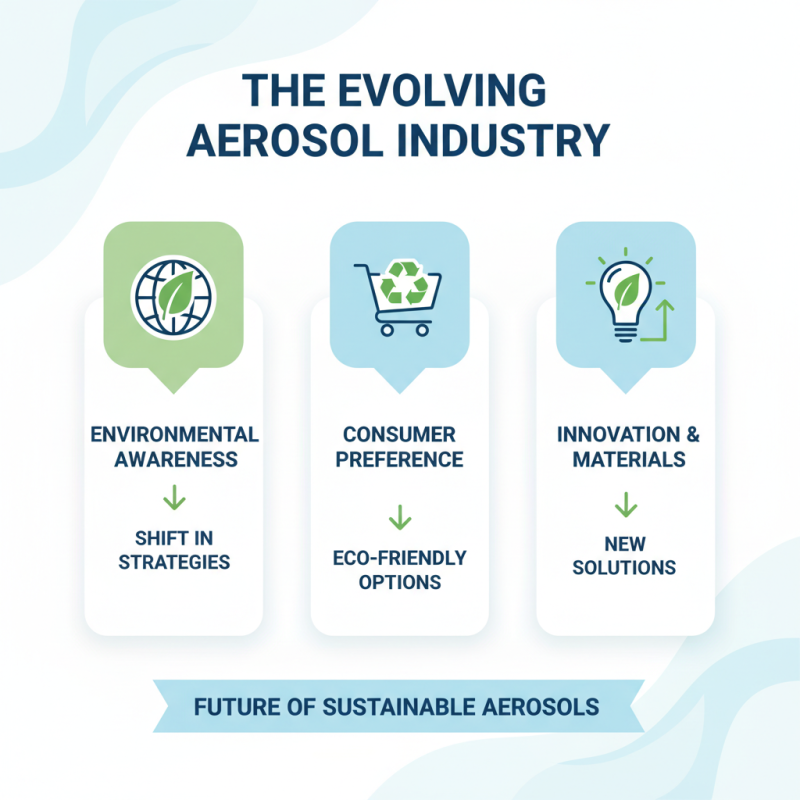
The aerosol industry is experiencing notable shifts in production and demand. Rising environmental consciousness has pushed manufacturers to rethink their strategies. Consumers prefer eco-friendly options, altering traditional practices. This shift creates room for innovative solutions and new materials.
Additionally, the expanding beauty and personal care sectors drive aerosol consumption. More products are incorporating aerosol technology, catering to consumer preferences for convenience. However, challenges remain. The need for sustainable packaging and reducing carbon footprints complicates production processes. Balancing innovation with responsibility poses a significant hurdle.
Moreover, regulatory changes add layers of complexity. Compliance with safety standards requires investments in research and development. Many companies find it tough to adapt quickly. Striking a balance between efficiency and sustainability is still an evolving process for many manufacturers. The future looks promising, but a careful approach is required.
Sustainability Practices Among Top Aerosol Companies
Sustainability practices are becoming increasingly important among aerosol manufacturers. Many companies are adopting eco-friendly materials for their products. This shift addresses both consumer demand and regulatory pressures. Additionally, some companies are exploring biodegradable and recyclable packaging options. Such initiatives aim to reduce environmental impact.
However, challenges remain. Not all manufacturers prioritize sustainable practices. Costs often hinder the adoption of greener technologies. Some companies still rely on traditional production methods that may not align with sustainability goals. There’s a noticeable gap between commitment and action in the industry. Transparency about environmental practices is crucial.
Investing in renewable energy sources is another strategy. Some manufacturers are beginning to power operations with solar or wind energy. This change can dramatically lower carbon footprints. Still, many are reluctant to make the switch due to high initial costs. Achieving sustainability in aerosol production requires collective effort. A real commitment to change is vital for the future.