Top Aerosol Filling Companies in 2026 What to Know?
The aerosol filling companies landscape is evolving rapidly. In 2026, innovation and sustainability will shape the industry. Experts like Dr. Lisa Tran, a leading authority in aerosol technology, emphasize, "Efficiency and sustainability will define the future of aerosol filling companies." This statement reflects the pressing need for eco-friendly practices.
The competition among aerosol filling companies is intensifying. Companies must invest in advanced technology to stay ahead. New materials and techniques are crucial for maintaining quality while reducing waste. However, not all companies meet these standards, leading to a gap between the best and the rest.
Consumers are becoming more aware of what they purchase. They seek products that align with their values. This trend pushes aerosol filling companies to rethink their strategies. The focus should be on transparency and responsibility. Yet, many struggle to adapt to these new demands. Reflecting on these challenges is essential for future growth.

Overview of the Aerosol Filling Industry in 2026
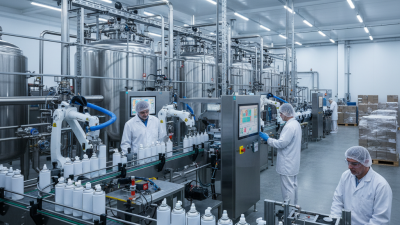
The aerosol filling industry in 2026 is evolving rapidly. Increased demand for aerosol products is reshaping the market. Many sectors, including personal care and household cleaning, are adopting aerosols. Innovations in filling technology are enhancing efficiency. Companies are focusing on sustainable practices. They strive to reduce waste and improve recyclability. New regulations are also influencing operations, pushing for eco-friendly solutions.
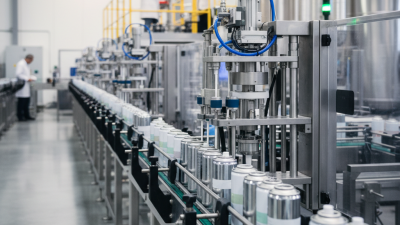
Automation is a key trend in this industry. Automated filling lines can increase production speed. However, challenges arise. Maintaining quality control remains crucial. Technical issues can lead to product loss. Companies must invest in training and maintenance to minimize downtime. Another area of concern is the labor force. Skilled workers are needed to operate complex machinery. This can be a hurdle for some companies.
Market competition is fierce. New entrants are emerging alongside established firms. This creates a dynamic environment. Businesses must be agile to adapt to changes. While opportunities abound, risks persist. Supply chain disruptions can impact production. Focusing on innovation and flexibility is essential for success in this landscape. The future of aerosol filling will require a balance of efficiency and sustainability.
Key Players in the Aerosol Filling Market
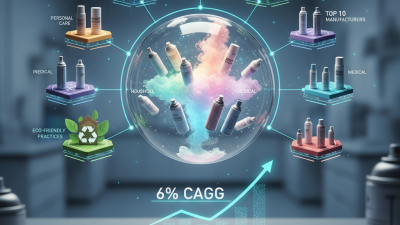
The aerosol filling market is evolving rapidly. By 2026, it is projected to reach a valuation of over $20 billion. This growth is driven by increased demand in sectors like personal care, household products, and food and beverages. Emerging technologies are also reshaping production efficiency and sustainability.
Key players in this market focus on innovation and adaptability. They prioritize eco-friendly solutions, responding to consumer preferences. Reports indicate that 65% of consumers are inclined toward sustainable packaging options. Companies are investing in new machinery and techniques. However, not all adaptations meet these consumer expectations. Some producers struggle with scalability, often leading to inefficiencies.
In particular, the sector faces challenges regarding quality control. Ensuring consistent product standards is critical. A study reveals that nearly 30% of aerosol products experience quality issues during filling. Companies must address these flaws to maintain market trust and competitiveness. Continuous improvement and feedback from users can help refine processes.
Technological Advancements Shaping Aerosol Filling
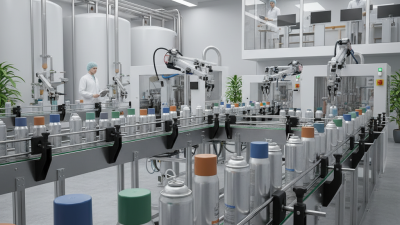
Technological advancements are transforming the aerosol filling industry in 2026. Automation is becoming a crucial factor. Companies are increasingly adopting robotic systems. These systems enhance production speed and precision. The integration of sensors improves quality control. Manufacturers can reduce waste and ensure safety.
Sustainability is a key focus. New filling techniques minimize material usage. Companies explore eco-friendly propellants. These innovations are not just trendy; they reflect a growing responsibility towards the environment. However, challenges remain. The shift to greener alternatives can complicate the production process.
Digitalization in operations is on the rise. Data analytics help in monitoring performance. This leads to better decision-making. Yet, many firms still struggle to adapt to these technologies. Training employees takes time and resources. Embracing these changes requires a cultural shift within organizations. Some resistance is expected. Ultimately, the future of aerosol filling is shaped by these technological advancements.
Technological Advancements in Aerosol Filling - Projected Growth in 2026
This chart illustrates the projected growth of various technological advancements shaping the aerosol filling industry by 2026. The data represents potential improvements in efficiency, safety, and sustainability.
Regulatory Considerations for Aerosol Filling Companies
Aerosol filling companies face unique regulatory challenges in 2026. Compliance with safety standards is paramount. Regulations often vary by region. Understanding these differences is crucial for operations. Companies must stay updated on local guidelines.
Tips: Ensure your team regularly reviews regulatory updates. Consider conducting training sessions. This keeps everyone informed about safety protocols.
The approval process for aerosol products can be lengthy. It may involve detailed documentation and testing. Companies must be prepared for scrutiny from regulatory bodies. Delays can affect timelines and profits. A proactive approach can mitigate these risks.
Tips: Build strong relationships with regulatory agencies. Early communication can expedite the approval process. Investing in compliance helps avoid costly setbacks. Emphasizing quality and safety can enhance reputation.
Top Aerosol Filling Companies in 2026 - Regulatory Considerations for Aerosol Filling Companies
| Company Type |
Regulatory Compliance Level |
Market Position |
R&D Investment ($ Million) |
Sustainability Practices |
| Aerosol Manufacturer |
High |
Leader |
50 |
Yes |
| Aerosol Packager |
Medium |
Challenger |
30 |
Limited |
| Custom Aerosol Filling |
High |
Niche |
20 |
Yes |
| Contract Manufacturer |
Medium |
Emerging |
15 |
Yes |
| Private Label Producer |
Low |
Follow-up |
10 |
No |
Future Trends and Challenges in Aerosol Filling Equipment
The aerosol filling industry is rapidly evolving. In 2026, significant trends will emerge. One central trend is the move towards automation. Data indicates that automation could increase efficiency by up to 30%. This shift may reduce operational costs for manufacturers. However, investment in technology remains a challenge for many.
Sustainable practices are also gaining momentum. Reports show that consumers are increasingly favoring eco-friendly packaging. As a result, companies must adapt quickly. They face pressure to minimize waste. This transition can be complex and may require rethinking supply chains. Current estimates suggest that nearly 50% of manufacturers struggle with implementing green technologies effectively.
Moreover, regulatory compliance poses an ongoing challenge. Industries must navigate complex regulations around safety and emissions. For example, some reports note that approximately 40% of filling companies have faced fines related to compliance issues. This can impact both reputation and financial health. Balancing innovation with regulation will be crucial for long-term success in aerosol filling.