Top 10 Aerosol Can Manufacturers in USA You Should Know?
In today’s market, understanding the landscape of aerosol can manufacturers in the USA is crucial. These manufacturers support various industries, from personal care to automotive. Their products are ubiquitous, found in homes and stores alike.
The production of aerosol cans involves unique technologies and materials. Some manufacturers excel in sustainability, offering eco-friendly options. However, not all companies prioritize environmental concerns. Some still rely heavily on traditional materials, raising questions about their responsibility.
As we delve into the top 10 aerosol can manufacturers in the USA, it's essential to consider both their innovations and shortcomings. Familiarity with these companies can provide insights into market trends. Yet, we must also reflect on the industry's impact on the environment and consumer safety.
Overview of the Aerosol Can Industry in the USA and Market Trends
The aerosol can industry in the USA is experiencing notable changes. According to recent market reports, the industry is projected to grow steadily at approximately 4.5% annually. This growth reflects an increasing demand for aerosol products across various sectors, including personal care, household, and automotive.
Sustainability trends are shaping manufacturers' strategies. Many companies are exploring eco-friendly materials and new dispensing technologies. Reports indicate that more consumers prefer environmentally conscious products. This shift pushes manufacturers to rethink their sourcing and production methods. Nonetheless, the transition isn't always smooth. Finding viable sustainable materials poses challenges and may require significant investment.
Tips: Stay updated on regulatory changes that affect production. Engage with suppliers who share sustainability goals. Invest in R&D to innovate and meet market demands. Building a flexible approach can help navigate industry shifts while addressing consumer needs effectively.
Top 10 Aerosol Can Manufacturers in USA - Overview of the Aerosol Can Industry
| Manufacturer Indicator |
Production Capacity (Million Units) |
Annual Revenue (Million USD) |
Number of Employees |
Market Share (%) |
| Aerosol Co. A |
50 |
200 |
800 |
15 |
| Aerosol Co. B |
45 |
180 |
750 |
12 |
| Aerosol Co. C |
60 |
250 |
900 |
20 |
| Aerosol Co. D |
55 |
220 |
850 |
18 |
| Aerosol Co. E |
40 |
160 |
700 |
10 |
Key Players: A Closer Look at the Top 10 Aerosol Can Manufacturers
Aerosol cans are ubiquitous in many industries, from personal care to automotive products. The United States has a robust market, driven by innovation and demand. Recent reports indicate that the aerosol can market in the U.S. is projected to reach over $20 billion by 2025. This growth is largely influenced by rising consumer preferences for products that offer convenience and ease of use.
Several key players shape this industry. These manufacturers not only produce cans but also invest in technology to improve efficiency. The focus is shifting towards eco-friendly practices. Yet, challenges remain. Many companies struggle with the balance between production costs and sustainability. The industry faces scrutiny regarding the environmental impact of aerosol propellants.
Moreover, the competitive landscape is fierce. Some manufacturers are prioritizing the development of smart aerosol technologies. This includes features like precision spray mechanisms. It reflects a trend towards personalized consumer experiences. However, the constant evolution can lead to operational hurdles. Adapting to rapidly changing consumer demands needs careful consideration and response. Consequently, companies must remain agile and innovative to thrive in this dynamic sector.
Top 10 Aerosol Can Manufacturers - Market Share Analysis
Manufacturing Processes and Technologies Used by Leading Companies
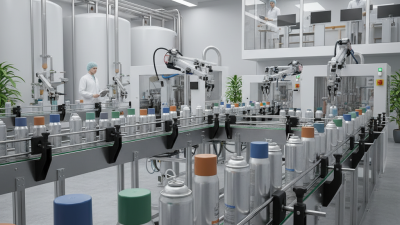
The manufacturing processes of aerosol cans involve several key technologies that ensure efficiency and safety. One prevalent method is the use of tinplate and aluminum. These materials are lightweight yet durable. Companies often prefer these for their excellent barrier properties. This helps preserve the product inside while preventing contamination.
Numerous steps are involved in production. For instance, stamping and forming create the basic can structure. Then, coating applications are critical. They protect the can from corrosion. However, not every manufacturer achieves the same level of quality. Some struggle with consistency in thickness. This can lead to leakage risks.
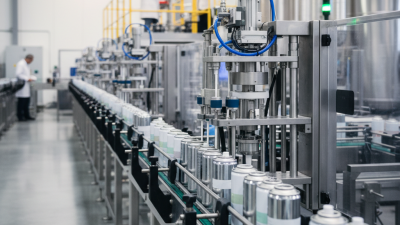
In addition, filling processes must adhere to strict hygiene standards. Automation plays a significant role in enhancing production rates. But it may also introduce challenges like equipment malfunctions. Some companies invest heavily in training and maintenance, yet others overlook this aspect, leading to inefficiencies.
Continuous improvement is essential to refine these processes and improve overall productivity.
Market Share and Revenue Insights of Major Aerosol Can Firms
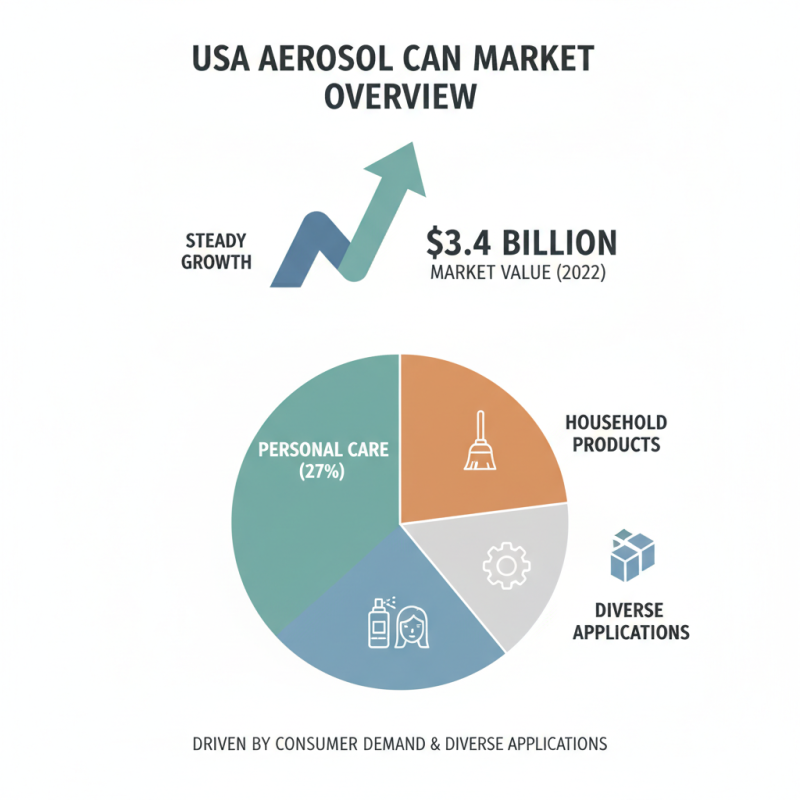
The aerosol can market in the USA has seen steady growth over the years. In 2022, the market was valued at approximately $3.4 billion. This growth is driven by diverse applications, including household products, personal care items, and industrial use. The personal care segment is particularly strong. It accounted for around 27% of the market share, reflecting consumer demand.
Revenue insights reveal a competitive landscape. A few major players dominate, but many smaller firms contribute significantly. The top manufacturers collectively hold over 60% of the market share. Despite this, ongoing challenges exist. Supply chain disruptions and rising raw material costs impact profitability. Companies must rethink their strategies to navigate these difficulties.
Sustainability has become a pressing issue. Consumers prefer eco-friendly products. Manufacturers are investing in greener materials and processes. However, the transition can be complex. Not all firms have successfully adapted yet. The industry must continue evolving to meet changing demands while ensuring financial viability.
Sustainability Initiatives and Regulations Impacting the Aerosol Sector
The aerosol sector faces significant pressure to adopt sustainable practices. Recent reports indicate that around 70% of consumers prefer eco-friendly products. This shift in consumer behavior urges manufacturers to rethink their strategies and implement green initiatives.
Many companies are reducing volatile organic compounds (VOCs) in their products. Regulations are tightening around VOC emissions, pushing for lower levels. Reports show that these initiatives can reduce emissions by up to 30%. Despite these efforts, some manufacturers struggle to balance cost and compliance. The challenge lies in finding sustainable alternatives without increasing production costs.
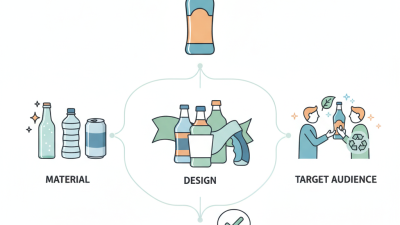
Recyclability of aerosol cans is another crucial issue. Studies suggest that only 30% of aerosol cans are recycled effectively in the U.S. This is a significant gap in sustainability efforts. Manufacturers often face difficulties in designing cans that are both functional and easy to recycle. The industry must innovate further to improve recycling rates.