How to Source Polycaprolactone for Your Business Needs?
Polycaprolactone (PCL) is rapidly gaining traction in various industries. With its unique properties, PCL offers versatility in applications ranging from biomedical to biodegradable products. According to a recent market report by Grand View Research, the global polycaprolactone market is projected to reach USD 474 million by 2025, expanding at a CAGR of 8.8%. This growth is driven by rising demand for sustainable materials and advanced manufacturing techniques.
The sourcing of polycaprolactone is critical for businesses looking to innovate. Understanding reliable suppliers and quality standards can help maintain product integrity. Companies must carefully evaluate their sourcing strategies. Not all suppliers offer the same level of expertise or compliance with industry regulations. Businesses should consider factors such as production capacity and material purity.
Engaging industry experts can significantly enhance sourcing decisions. Establishing connections with reputable suppliers will facilitate reliable procurement. However, reliance on just a few sources can lead to vulnerabilities. Diversifying suppliers can mitigate risks and ensure consistent material availability. As more companies recognize the potential of polycaprolactone, informed sourcing becomes increasingly essential for success.
Understanding Polycaprolactone: Properties and Applications
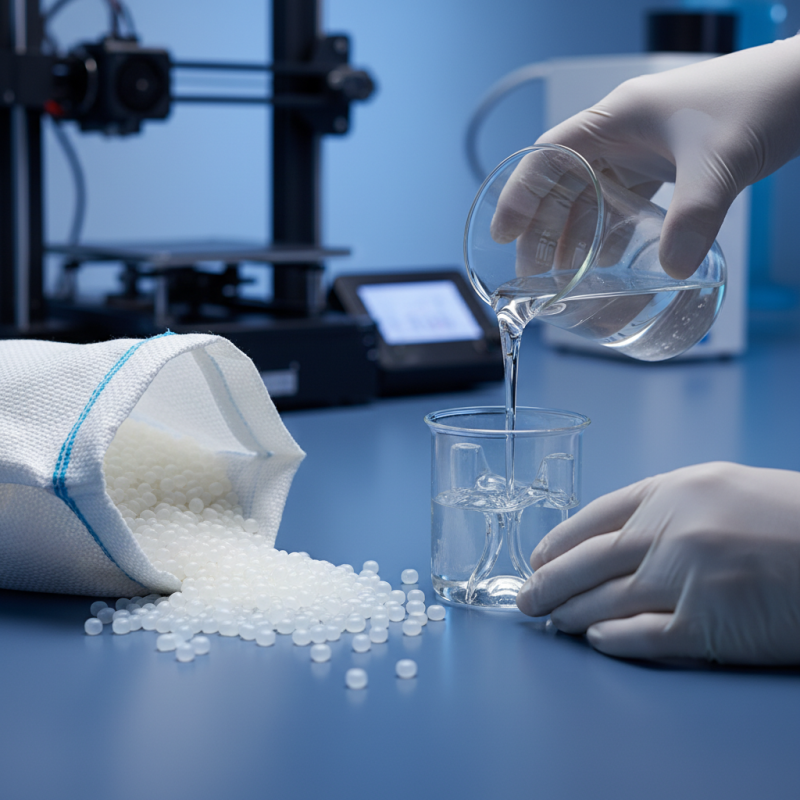
Polycaprolactone (PCL) is a versatile polymer known for its unique properties. It boasts a low melting point, high flexibility, and excellent biodegradability. PCL is used in various applications, including 3D printing, biomedical devices, and coatings. Its ability to blend with other materials enhances its usability in diverse fields.
When sourcing PCL, consider quality and supplier reliability. Not all PCL is the same; variations may exist in molecular weight and additive content, which can affect your end product’s characteristics. Ensure that your supplier conducts rigorous quality testing. Look for material data sheets that detail relevant properties.
Tip: Ask for samples before committing to a bulk order. Testing the material in your specific application can help avoid potential issues.
PCL’s applications continue to expand. It's suitable for producing slow-release drug delivery systems, which are gaining attention in the pharmaceutical industry. However, not all applications may yield expected results. Factors such as processing conditions and environmental impact should be factored into your planning.
Tip: Keep an open line of communication with your suppliers. Discuss your project requirements and seek their expertise to achieve optimal results. While PCL presents many advantages, understanding its limitations is essential for successful implementation.
Identifying Reliable Suppliers for Polycaprolactone
Finding reliable suppliers for polycaprolactone (PCL) is crucial for businesses that depend on this versatile polymer. Start by researching potential suppliers online. Look for manufacturers with positive reviews and strong industry presence. A company’s website can reveal a lot about its credibility. Check their certifications and quality control processes. Reliable suppliers often showcase their achievements openly.
Engage with potential suppliers to gauge their responsiveness. Communicate your specific needs clearly. Ask about their production capabilities and minimum order quantities. It’s important to know if they can meet your requirements consistently. Compare multiple suppliers to assess their offerings and pricing models. Transparency in communication is key; make sure to clarify all terms before committing.
Don't overlook smaller, niche suppliers. They may provide unique benefits or customized solutions. However, note that they might lack the resources of larger firms. Always consider conducting a trial order. This allows you to evaluate product quality and supplier service. Reflect on your experiences to refine your supplier selection process further.
Evaluating Quality Standards for Polycaprolactone Sourcing
When sourcing polycaprolactone (PCL), evaluating quality standards is crucial. This biodegradable polyester has gained popularity due to its versatility in various applications including medical devices and biodegradable plastics. When selecting suppliers, look beyond just cost. Investigate their manufacturing processes and certifications. Quality assurance should align with specific industry requirements, whether for biomedical applications or polymer manufacturing.
It's essential to assess material properties like molecular weight and purity. These factors can significantly affect performance. For example, lower molecular weight PCL may not provide the desired mechanical strength. Similarly, high levels of impurities can compromise biodegradability. Be prepared to request detailed reports from potential suppliers. Transparency about their sourcing and testing procedures is a good indicator of reliability.
Keep in mind that not all suppliers are created equal. Some may prioritize speed over quality, leading to inconsistent products. It's wise to establish partnerships with suppliers who demonstrate a commitment to quality. This can help avoid future issues with product performance and compliance. Be proactive in seeking out information and feedback from others in the field. Quality sourcing is not just about finding the lowest price; it’s about ensuring that your materials meet the highest standards.
Cost Considerations When Sourcing Polycaprolactone
Cost considerations are critical when sourcing polycaprolactone (PCL) for your business needs. PCL is gaining popularity due to its biodegradability and versatility. According to the Global Polycaprolactone Market Report, the average price of PCL ranges from $5 to $15 per kilogram. These prices can fluctuate based on the purity and supplier. Businesses must be aware that sourcing from different regions may also impact costs significantly.
Additionally, shipping expenses play a crucial role in overall procurement costs. Transportation can add 10% to 20% to the final expense, depending on distance and logistics. Evaluating multiple suppliers may seem tedious, but it helps identify more competitive pricing. A 2023 market analysis suggested that suppliers offering bulk discounts could provide savings of up to 25%. Long-term contracts might also yield stability in pricing, but they require careful negotiation.
Beyond pricing, considering the quality of PCL is essential. Low-cost suppliers may compromise on purity, leading to poor product performance. It is vital to analyze certifications and supplier reputations. Despite potential savings, opting for the cheapest option can result in costly mistakes later. Always balance cost with quality to ensure the effectiveness of your final product.
Logistics and Supply Chain Management for Polycaprolactone procurement
Sourcing Polycaprolactone (PCL) requires careful planning. Logistics play a crucial role in ensuring that materials arrive on time. Efficient supply chain management connects suppliers with manufacturers seamlessly.
Building relationships with reliable suppliers is essential. Research potential vendors extensively. Assess their ability to meet your specific requirements. Delays can occur due to miscommunication or unexpected events. Keeping an open line of communication is vital. Regular updates can help mitigate any disruptions.
Logistics should focus on transport methods. Different carriers may offer various benefits and drawbacks. Choosing the right one impacts cost and delivery time. Understand import regulations that might affect shipments. Streamlining these processes often reveals hidden challenges. This experience can enhance your sourcing strategy. It requires a balance of speed and cost-efficiency. Engage actively with your suppliers to strengthen these links.
How to Source Polycaprolactone for Your Business Needs?
| Supplier Location | Minimum Order Quantity (MOQ) | Lead Time (Days) | Price per kg (USD) | Quality Certification |
| North America | 100 kg | 15 | 18.50 | ISO 9001 |
| Europe | 200 kg | 25 | 16.00 | REACH Compliant |
| Asia | 500 kg | 30 | 15.25 | FDA Approved |
| South America | 300 kg | 20 | 17.00 | ISO 13485 |