Top 5 Pulp Molding Innovations at 2026 Canton Fair?
The 2026 Canton Fair is set to showcase the latest advancements in pulp-molding technology. This event runs from April 15 to May 5, featuring innovations in advanced manufacturing and new materials. Attendees will witness how pulp-molding can lead to sustainable packaging solutions and eco-friendly products. These advancements reflect a growing trend towards environmental responsibility within the industry.
In this vibrant setting, businesses can explore ways to enhance efficiency through emerging technologies. The introduction of AI for smart search and navigation will make it easier for buyers. They will quickly find suppliers with essential certifications like ISO and CE. The sheer size of the venue, 1.55 million square meters, emphasizes the importance of efficiency and sustainability in modern manufacturing.
Pulp-molding represents not just a trend, but also a critical reflection on production methods. While innovations are promising, they may require ongoing adaptation and evaluation. The focus on pulp-molding innovations at the Canton Fair highlights the potential for creative problem-solving while recognizing the challenges that lie ahead.
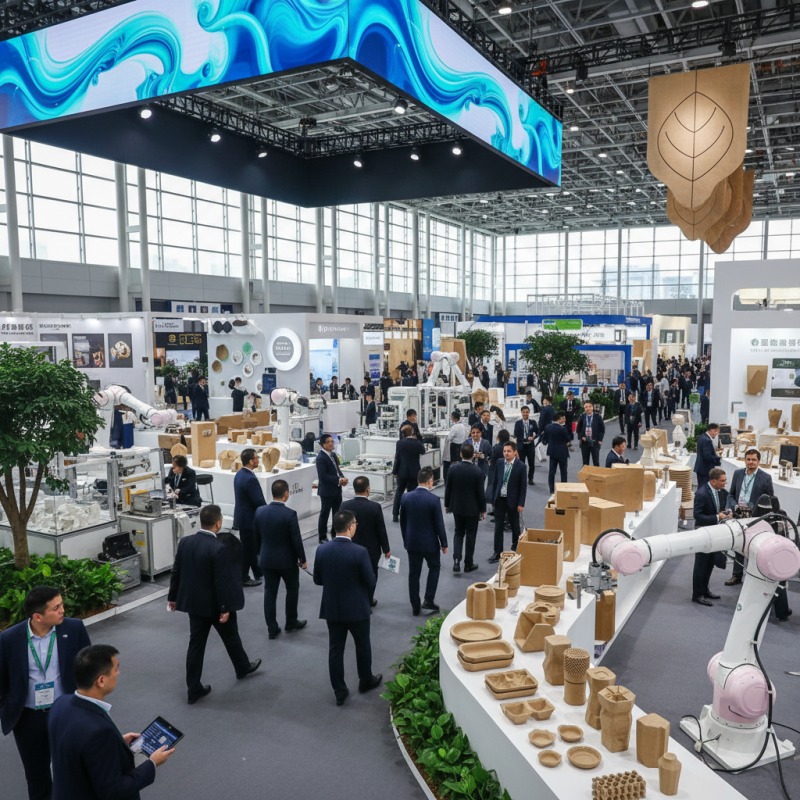
Emerging Trends in Pulp Molding Technologies at the 2026 Canton Fair
The 2026 Canton Fair showcased exciting innovations in pulp molding technology. Attendees observed a surge in sustainable practices. More companies are focusing on biodegradable materials. This trend is driven by the increasing demand for eco-friendly products. The designs are not only innovative but also practical.
During the fair, prototypes highlighted versatility. They ranged from packaging to custom product designs. Many exhibitors emphasized using local resources. This approach reduces transportation costs and carbon footprints. Some innovations lacked detailed explanations. They left attendees curious and seeking more information.
A noticeable trend was the integration of smart technology into pulp molding. Automated processes drew interest, making production more efficient. However, some solutions seemed overly complex. They raised concerns about usability and maintenance. Balancing innovation and practicality will be key moving forward.
Innovative Materials Utilized for Pulp Molding in 2026
The 2026 Canton Fair showcased innovative materials for pulp molding, making it a must-see event. Companies are exploring many alternatives to traditional materials. Sustainable choices are at the forefront. Biodegradable items caught everyone's attention. They are made from natural fibers and recycled paper.
These innovations enhance product strength and function. They are lightweight yet durable. Many prototypes displayed colorful designs that are visually appealing. Using eco-friendly inks, the products stand out on the shelves. A notable trend is the inclusion of organic additives to boost performance.
Tips: Always choose materials that align with sustainability goals. Check for certifications that verify eco-friendliness. Experimenting with local resources can yield unique results, but remain mindful of consistency in quality. Each small step matters.
Top 5 Pulp Molding Innovations at 2026 Canton Fair
This chart illustrates the innovative materials utilized for pulp molding showcased at the 2026 Canton Fair, highlighting the advancements in eco-friendly options and their application in sustainable packaging solutions.
Advancements in Sustainable Practices for Pulp Molding Products
The 2026 Canton Fair showcased several exciting innovations in pulp molding. A focus on sustainability led to new techniques that reduce waste. Some exhibitors introduced biodegradable materials, presenting a greener alternative to standard plastics. These innovations highlight the industry's shift towards environmentally friendly practices.
One striking development was the use of agricultural waste in pulp molding. This approach not only reduces landfill impact but also supports local farming economies. However, challenges remain. Sourcing consistent quality materials can be difficult. Ensuring long-term viability is crucial.
Another interesting aspect was the emphasis on energy efficiency. Many companies are rethinking their production processes to minimize energy use. Whole lifecycle analyses are being conducted to evaluate carbon footprints. Yet, there is still much work to be done to make these practices mainstream. The journey toward sustainability in pulp molding is ongoing, with many lessons to learn along the way.
Key Players Showcasing Pulp Molding Innovations at the Fair
At the 2026 Canton Fair, key players in the pulp molding sector showcased remarkable innovations. These developments highlight a shift towards sustainability and efficiency in manufacturing. According to a recent industry report, the pulp molding market is projected to grow at a CAGR of 5.6% through 2030. This growth reflects increasing demand for eco-friendly packaging solutions.
Exhibitors presented advanced processing techniques that enhance the quality of molded products. Some innovations focus on energy-efficient production methods. One technique involves using less water during the pulping process. This not only conserves resources but also reduces operational costs. However, not every method was flawless. Some lack scalability, which remains a concern for mass production.
Materials used in pulp molding are evolving as well. A focus on raw material sourcing has become evident. Many exhibitors highlighted the use of agricultural waste. Utilizing these materials can improve the sustainability profile of pulp products. Yet, sourcing quality raw materials consistently can be tricky. Overall, the innovations presented at the Canton Fair are steps in the right direction, though challenges remain.
Future Implications of Pulp Molding Innovations on Global Markets
As the 2026 Canton Fair showcases the latest advancements, pulp molding innovations stand out. These breakthroughs could transform global markets in unexpected ways. The emphasis on biodegradable materials is a major shift. Companies are increasingly adopting eco-friendly practices. This aligns with the growing consumer demand for sustainability. It is a clear response to climate change issues.
There are challenges ahead. Not all pulp molding methods are energy efficient. Some still require significant water and electricity. Manufacturers need to balance sustainability with production efficiency. This will be a critical focus for future growth. Market players are exploring new technologies. Automation in pulp molding production is evolving, yet it raises questions about labor impacts.
Moreover, the global supply chain may face disruptions. Sourcing raw materials for pulp molding is complex. Local ecosystems could be affected by increased demand. Companies must consider environmental responsibility too. The future may hold significant opportunities yet also reflect a need for deeper reflection on practices in the industry.
Top 5 Pulp Molding Innovations at 2026 Canton Fair
| Innovation | Description | Sustainability Impact | Global Market Potential | Technological Advancement |
| Biodegradable Pulp | Enhanced biodegradability for various products. | High, contributes to reduction of long-lasting waste. | Significant growth in eco-friendly product markets. | R&D breakthroughs in cellulose compositions. |
| Smart Pulp Packaging | Integration of NFC technology for product tracking. | Moderate, improves supply chain transparency. | Increasing demand in retail and logistics sectors. | Advanced sensor technology incorporated. |
| Molded Fiber Insulation | Innovative use of mold for eco-friendly building materials. | High, promotes sustainable construction practices. | Emerging market in green building solutions. | Utilizes cutting-edge thermal performance technologies. |
| Recyclable Pulp Products | New methods to create recyclable packaging products. | High, supports circular economy initiatives. | Potential for significant adoption across industries. | Innovative recycling technologies developed. |
| Custom Pulp Products | Tailored solutions for specific client requirements. | Moderate, challenges conventional mass production. | Growing need for personalized packaging solutions. | Flexible production technologies introduced. |