What is Print Inspection and Why is it Important?
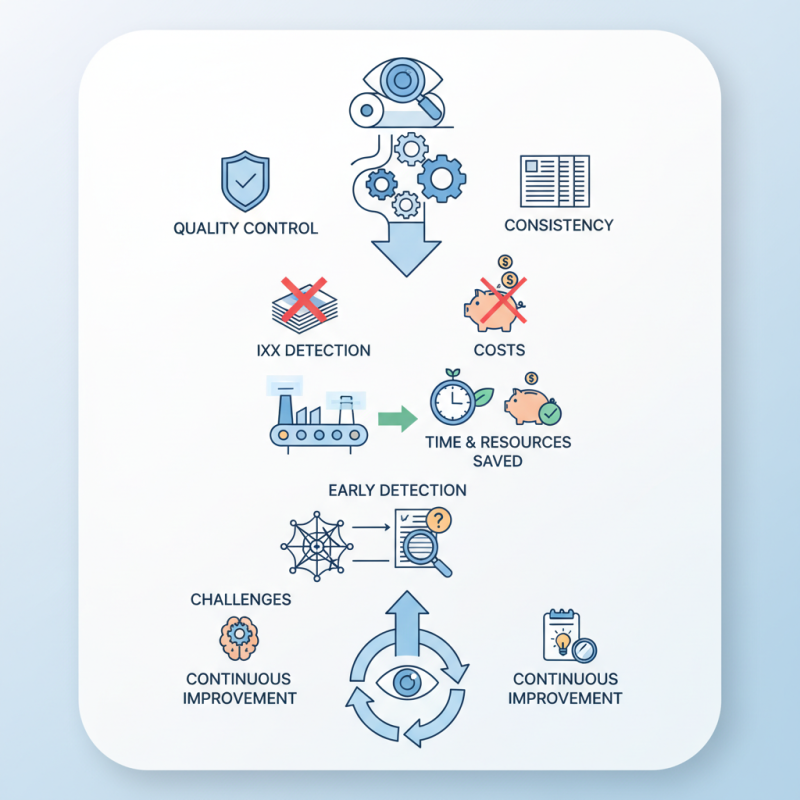
Print Inspection plays a crucial role in the printing industry. It ensures quality control and consistency in printed materials. Renowned expert, Dr. Alice Thompson, once stated, “Quality starts with Print Inspection.” This highlights its importance for businesses.
In the fast-paced world of printing, mistakes can happen. A small error may lead to significant costs. Therefore, it becomes essential to have robust Print Inspection processes in place. These systems help identify defects early. This proactive approach saves both time and resources.
However, even with advanced technology, challenges persist. Some defects may go unnoticed during inspection. Thus, continuous evaluation is necessary. A keen eye should always be present. Improvement in Print Inspection is ongoing. Every print run offers lessons to learn and reflections to consider.
What is Print Inspection?
Print inspection refers to the systematic evaluation of printed materials. This process ensures that the final product meets pre-established standards. It is crucial in industries such as packaging, publishing, and textiles. Inspectors look for issues like color accuracy, alignment, and overall quality. The goal is to identify defects before products reach consumers.
In practice, print inspection can reveal unexpected flaws. Sometimes, the printed colors may not match the original design. Other times, text may be misaligned or partially missing. Even experienced printers can miss these details. This is why regular inspection is vital for maintaining quality control. Accuracy is key to brand reputation.
In an ideal scenario, every print would come out perfect. However, imperfections happen. Reflecting on these mistakes leads to better processes. Adopting more rigorous inspections can prevent recurring issues. Continuous improvement should be the goal for any printing operation.
The Technology Behind Print Inspection Systems
Print inspection systems rely on advanced technology to ensure quality control in the printing process. These systems use a combination of cameras and software to detect errors in real-time. For instance, they can spot misalignments, color inconsistencies, and missing elements. This instant feedback helps operators make quick adjustments, reducing waste and improving output quality.
The technology behind print inspection is intricate. High-resolution cameras capture detailed images of printed materials. Machine learning algorithms analyze these images, identifying defects with remarkable precision. However, not all systems are flawless. Some may struggle with varying print conditions or complex patterns, leading to missed errors. This indicates a need for continuous improvement and adaptation in technology.
Moreover, the integration of print inspection systems can pose challenges. Operators often need training to use this technology effectively. Sometimes, outdated equipment can hinder the system's capabilities. Companies must recognize these gaps and invest in updates. Adopting this technology is a step forward, but constant evaluation and refinement are key to maximizing its benefits.
Print Inspection System Performance Metrics
This chart illustrates the performance metrics of print inspection systems, showing the number of defects detected, correct inspections, false positives, and total prints processed. Such data is crucial for understanding the efficiency and accuracy of inspection systems in the printing industry.
Benefits of Print Inspection in Quality Control
Print inspection is a key component of quality control in the printing industry. It helps ensure that printed materials meet specific standards. In 2021, it was reported that up to 30% of print jobs fail quality checks. This highlights the importance of having a solid print inspection process. Without it, companies risk poor product quality and significant financial losses.
One major benefit of print inspection is the immediate identification of defects. A study indicated that businesses could reduce defects by 20-30% with effective inspection. Early detection saves time and resources, preventing costly rework later. Another advantage is enhanced customer satisfaction. Consumers expect high-quality materials. When brands consistently deliver flawless prints, they build trust. This can lead to repeat business and positive referrals.
However, not all print inspection systems are perfect. Some may miss subtle defects. A report suggested that manual inspections often overlook issues 15% of the time. Automation has improved accuracy but also raised concerns about over-reliance on technology. It's crucial for companies to regularly evaluate their inspection processes and adapt to new challenges in quality control.
Common Challenges in Print Inspection Processes
Print inspection plays a crucial role in ensuring quality and consistency in the printing industry. However, it comes with its own set of challenges. One major challenge is the sheer volume of printed materials that need to be inspected. According to recent industry reports, approximately 25% of printed products may have defects that go undetected without proper inspection. This reality puts a significant strain on quality control processes.
Another challenge is the rapid pace of printing technologies and materials. As new techniques arise, so do new defects. A study revealed that 30% of print operators reported difficulties in identifying defects unique to newer materials. This indicates a skill gap that needs addressing through ongoing training and development.
Additionally, many businesses struggle with integrating advanced inspection technologies. While automated systems can improve accuracy, they also require significant investment and expertise. A report highlighted that nearly 50% of organizations feel they lack the necessary resources to implement effective print inspection solutions. Mistakes can easily slip through the cracks in this scenario, highlighting the need for constant reflection and adjustment in processes.
What is Print Inspection and Why is it Important? - Common Challenges in Print Inspection Processes
| Aspect | Description | Common Challenges | Importance |
| Definition | Print inspection involves checking printed materials for quality control. | Inconsistent quality, human error in checks. | Ensures product quality and consistency. |
| Processes | Manual inspection and automated systems are commonly used. | Integration of technology with manual systems. | Reduces defects and increases efficiency. |
| Tools | Cameras, sensors, and software are utilized. | High initial investment and maintenance requirements. | Enables quicker feedback and accuracy. |
| Metrics | Common metrics include defect rate and inspection time. | Over-reliance on metrics can lead to misses. | Helps in decision-making and process improvement. |
| Future Trends | AI and machine learning are being incorporated for smarter checks. | Adaptation to rapid technological changes. | Enhances precision in detecting issues. |
Future Trends in Print Inspection Technology
The landscape of print inspection technology is rapidly evolving. Future trends indicate increased automation in inspection processes. Automated systems will significantly reduce human errors. They will enhance accuracy in quality checks. These innovations can provide real-time feedback, allowing for quick adjustments.
Smart technology integration is another important trend. Artificial intelligence and machine learning will play a crucial role. They can analyze data patterns more efficiently. This means potential issues can be identified early on. It helps manufacturers avoid costly errors. Smart cameras are increasingly used to monitor print quality. They capture detailed images for precise analysis.
Here are a few tips for businesses adapting to these trends:
- 1. Invest in training. Employees must understand new technologies. Lack of knowledge can hinder progress.
- 2. Monitor changes in technology costs. Don't rush into purchasing. Evaluate the return on investment carefully.
- 3. Stay adaptable. The print industry is constantly evolving. Flexibility in operations can lead to greater efficiency.
As print inspection technology advances, businesses must remain vigilant. Embracing change can lead to better quality assurance and efficiency. However, it’s important to reflect on what best suits organizational needs.