What is a Plastic Jar with Lid and How to Choose One?
Choosing the right storage solution is crucial in many industries. The "Plastic Jar with Lid" is a popular choice for various applications. According to market research, the demand for plastic containers is projected to reach $300 billion by 2025. This surge reflects their versatility and durability.
Plastic jars, particularly those with lids, offer excellent sealing properties. They protect contents from dust, moisture, and contamination. This feature is essential for food, cosmetics, and pharmaceutical products. However, not all plastic jars are created equal. Factors such as size, material type, and lid design must be carefully considered.
Despite their popularity, there are concerns surrounding environmental impact. Single-use plastics contribute significantly to waste. It is important to explore recyclable options. Selecting a "Plastic Jar with Lid" that balances functionality and sustainability can be challenging yet rewarding. Thoughtful choices lead to better practices in packaging.
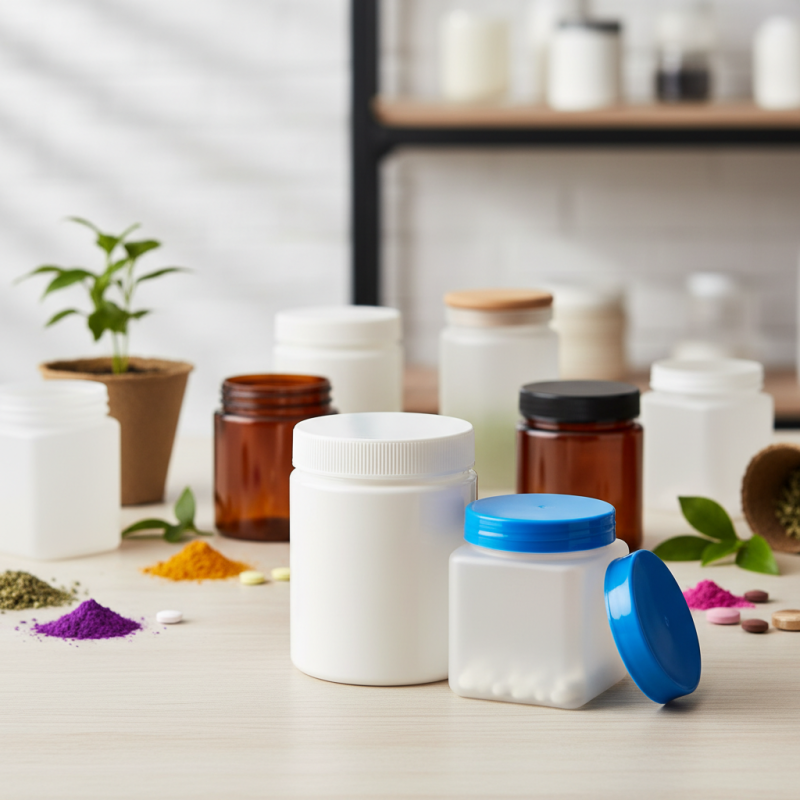
What is a Plastic Jar with Lid?
Plastic jars with lids are versatile storage solutions. They are widely used in various industries, including food, cosmetics, and pharmaceuticals. According to a recent industry report, the global plastic jars market is expected to grow by 5% annually. This growth indicates a rising demand for convenient and durable packaging options.
These jars come in various sizes and shapes, making them suitable for different applications. Their airtight sealing capability preserves the contents effectively. A well-sealed jar is essential for food safety and product longevity. However, some consumers overlook the importance of choosing the right lid type.
Tip: When selecting a plastic jar, consider the material as well. PET and HDPE are popular choices due to their durability and recyclability.
Be attentive to the jar's purpose. Not all jars can hold all types of products safely. For example, oils may require specific materials to prevent degradation. If you frequently store perishable items, investing in UV-resistant jars could be beneficial.
Tip: Evaluate the size of the jar for ease of use. A jar that is too large may lead to wasted space, while one that is too small can be inconvenient.
Types of Plastic Jars and Their Uses
Plastic jars come in various types, each suited for specific uses. For instance, clear jars are great for displaying food items. They allow customers to see the product, but they can also make contents vulnerable to light. Opaque jars provide better protection from light but may not showcase the product as effectively. Finding that balance is tricky.
Some jars are designed for storage, while others are best for packaging. For example, wide-mouth jars are convenient for scooping out contents, but they may take up more shelf space. In contrast, narrow jars save space but can be challenging to fill. Deciding on the right jar means weighing these practical factors against aesthetic choices.
The material of a jar also matters. Rigid plastics offer durability but can be heavier. Flexible plastics are lightweight but may not provide the same level of protection. It's essential to consider how the jar will be used and how it will hold up over time. Choosing the right plastic jar involves understanding its purpose and the environment in which it will be used.
Plastic Jar Types and Their Uses
Factors to Consider When Choosing a Plastic Jar
When selecting a plastic jar with a lid, there are several factors to consider. The material of the jar is crucial. High-density polyethylene (HDPE) is common due to its strength and resistance to impact. A study by Plastics Industry Association noted that HDPE is used in roughly 30% of all containers in North America. This underscores its popularity and reliability for packaging.
Another factor is the jar's capacity. Choosing the right size affects functionality. A jar that’s too small may require frequent refills, while one that’s too large can waste space. According to the Flexible Packaging Association, users often prefer jars between 16 to 32 ounces. This size range satisfies most customer needs without being cumbersome.
Lid design cannot be overlooked. A secure lid ensures contents stay fresh and protected. However, a lid that’s too tight can be frustrating. Convenience is key, but so is practicality. Many users report difficulty opening jars with overly complicated lids. This audience feedback should influence future designs.
Best Practices for Maintaining Plastic Jars
Plastic jars with lids can be incredibly useful. However, maintaining them is vital for longevity. Simple care routines go a long way. After each use, clean the jars with warm soapy water. Make sure to rinse thoroughly to remove any residues. If you notice stains, consider using vinegar or baking soda. These natural cleaners are effective and safe.
Temperature is another factor to consider. Store plastic jars in a cool, dry place. Extreme heat can warp or damage the material. Also, avoid abrasive materials when cleaning. Scratches can harbor bacteria, reducing the jar's effectiveness. It's frustrating to realize that a neglected jar can lead to spoilage.
Lastly, be mindful of the lid's condition. A tight seal ensures freshness. Check for cracks or warping. If the lid doesn't fit properly, everything inside is at risk. Regularly inspect both jar and lid to catch issues early. Reflecting on your maintenance habits can help improve the lifespan of your containers.
Environmental Impact of Plastic Jars and Alternatives
Plastic jars with lids serve various purposes, but their environmental impact is hard to ignore. These containers contribute to plastic pollution, which harms wildlife and ecosystems. Millions of plastic jars end up in landfills, taking centuries to decompose. It’s important to consider alternatives to reduce this environmental footprint.
When choosing a plastic jar, think about its usage. Some jars are more recyclable than others. Look for options made from recycled materials. This helps to support a circular economy. Additionally, consider how often you will use the jar. If it’s for a one-time use, opting for compostable materials may be better.
Tips: Choose jars with minimal packaging. This reduces waste. Whenever possible, buy items in bulk. This also helps cut down on the total number of containers used. Lastly, always wash and reuse jars when you can. It may not seem like much, but small changes can have a big impact. Reflect on your choices and their effects on the planet.