Why are Pharmaceutical Containers Essential for Medicine Safety?
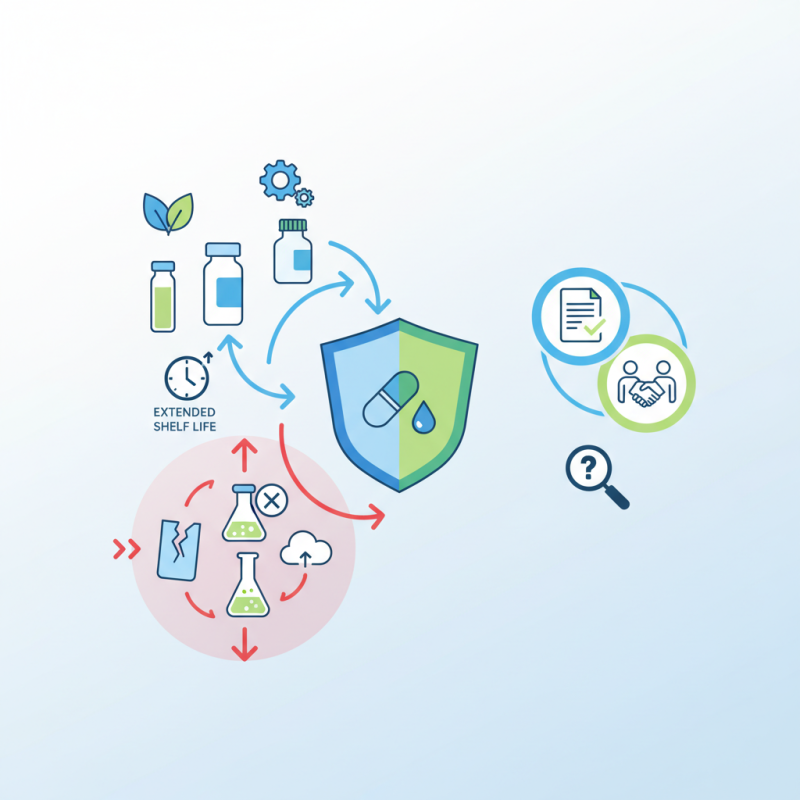
In today's healthcare landscape, pharmaceutical containers play a vital role in ensuring medicine safety. These containers are designed to protect medications from contamination and degradation. A well-designed pharmaceutical container can extend a drug's shelf life while ensuring its efficacy.
However, the importance of pharmaceutical containers often gets overlooked. Many assume that all packaging is safe and effective, but this is not always true. Poor-quality materials can lead to issues like chemical leaching. Some containers may not provide adequate sealing, exposing medications to moisture and air. These factors can compromise drug safety.
Moreover, the choice of materials is not just a technical issue. It's a critical aspect that involves regulatory compliance and consumer trust. We must reflect on the implications of these choices. Are we prioritizing convenience over safety? Examining the role of pharmaceutical containers may highlight gaps in our healthcare systems.
Importance of Pharmaceutical Containers in Preventing Contamination
Pharmaceutical containers play a vital role in preventing contamination. They shield medicines from environmental factors that can compromise quality. Containers must be airtight to keep moisture and air out. This helps maintain potency and prevents degradation.
The materials used for these containers are crucial. Glass and certain plastics are common choices. They resist chemicals and do not leach harmful substances into the medicine. However, not all containers are created equal. Some materials may interact negatively with certain medications.
Inadequate sealing can lead to significant issues. Medications exposed to air may lose efficacy. Unsuitable storage can also invite bacteria or mold growth. Understanding the need for proper containment is essential for ensuring patient safety. Each detail matters. A small oversight can have serious consequences.
Why are Pharmaceutical Containers Essential for Medicine Safety? - Importance of Pharmaceutical Containers in Preventing Contamination
| Container Type |
Material |
Primary Use |
Contamination Prevention Features |
Shelf Life (years) |
| Glass Vials |
Borosilicate Glass |
Injectables |
Inherent barrier properties, hermetic sealing |
3-5 |
| Plastic Bottles |
Polyethylene |
Liquid Medicines |
Resistant to impact, light-blocking options |
1-2 |
| Blister Packs |
PVC, Aluminum |
Tablets |
Tamper-evident, moisture barrier |
2-3 |
| Syringes |
Polypropylene |
Vaccines, Injectables |
Single use, sterile packaging |
1 |
| Dropper Bottles |
HDPE |
Ophthalmic Solutions |
Precision dispensing, tamper-proof caps |
2 |
Role of Packaging Design in Ensuring Medicine Stability and Efficacy
Packaging design plays a crucial role in ensuring the stability and efficacy of medicines. It protects against moisture, light, and air, which can degrade active ingredients over time. According to a report by the International Journal of Pharmaceutics, approximately 30% of medications lose potency due to improper packaging. This statistic highlights the importance of designing containers that are not only functional but also enhance the shelf life of medications.
Effective packaging also aids in the prevention of contamination. For example, child-resistant closures and tamper-evident seals are critical for safeguarding medicines. The FDA indicates that nearly 80% of accidental overdoses involve liquids where packaging failed to provide adequate protection. It raises questions about whether current packaging standards are sufficient. The industry must continually evaluate designs to address potential weaknesses.
Moreover, the choice of materials influences both stability and user experience. Glass, plastic, and metal each have their pros and cons. A recent study found that over 45% of patients report difficulty opening their medication containers. This can lead to improper usage and even health risks. Companies must balance user-friendliness with protective qualities. The journey toward optimal medicine safety is ongoing, and innovations in packaging design are essential in making meaningful improvements.
Importance of Pharmaceutical Container Design in Medicine Safety
This bar chart illustrates the effectiveness of various packaging features essential for ensuring the stability and efficacy of medicines. Key factors such as temperature control, moisture barrier, light protection, chemical resistance, and user safety play a crucial role in enhancing the overall safety of pharmaceuticals.
Regulatory Standards Governing Pharmaceutical Container Safety
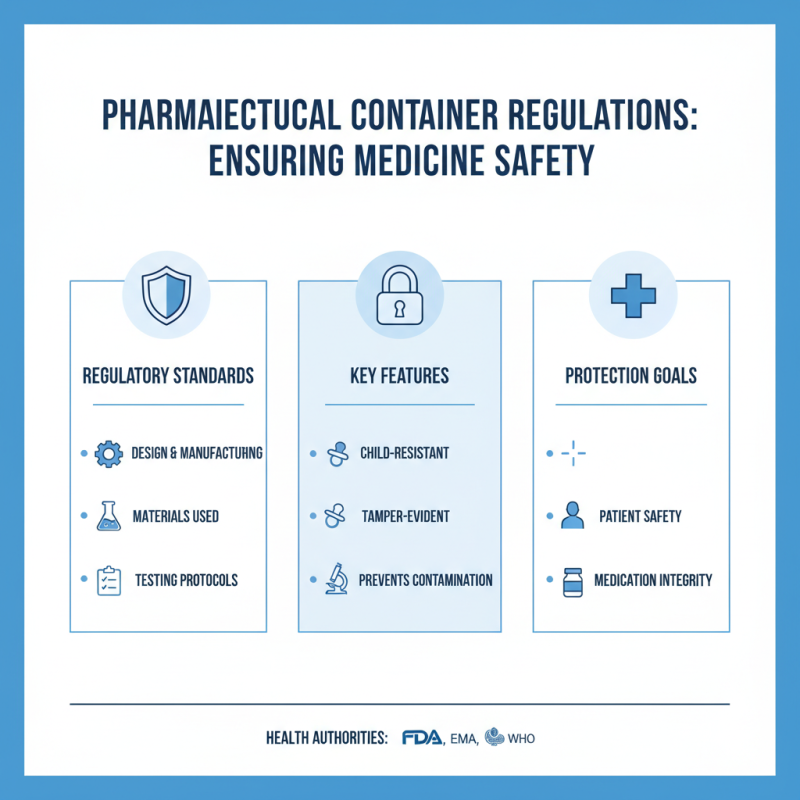
Pharmaceutical containers play a critical role in ensuring medicine safety. Regulatory standards set forth by various health authorities dictate the design, manufacturing, and testing of these containers. These regulations cover materials used, child resistance, and tamper-evident features. They aim to protect patients from contamination and ensure the integrity of the medication.
Despite these standards, lapses can occur. Some containers may not maintain sterility. In addition, improper labeling can mislead patients. The issue of environmental impact is another area needing attention. For instance, recyclable materials are often overlooked in the quest for safety. While regulations strive for a high standard, they are not infallible.
Ongoing communication between manufacturers and regulators is crucial. Continuous assessment of these standards is necessary to adapt to emerging challenges. While existing regulations provide a solid framework, gaps persist. The focus should extend beyond compliance to ensure comprehensive safety for users. Each step in the packaging process deserves scrutiny.
Impact of Tamper-Evidence Features on Patient Trust and Safety
Tamper-evidence features in pharmaceutical containers significantly impact patient trust. When consumers see secure seals or tamper-evident designs, they feel safer. According to a recent report by the Pharmaceutical Security Institute, nearly 50% of patients express concern about medicine tampering. This concern can lead to hesitation in medication adherence.
Patients often rely heavily on packaging integrity. A survey revealed that 60% of individuals check packaging for signs of tampering before usage. Yet, many do not know what to look for. This gap in knowledge can undermine trust in products. Improving education on tamper-evidence can empower patients.
Tips for ensuring safety: Always inspect seals upon purchase. Look for any broken or damaged seals, especially on over-the-counter medications. Trust your instincts; if something seems off, do not use it. Manufacturers must also do their part. Clear labeling and user-friendly designs can bridge the trust gap. Together, we can foster a safer environment for everyone.
Statistics on Medication Errors Linked to Poor Packaging Practices
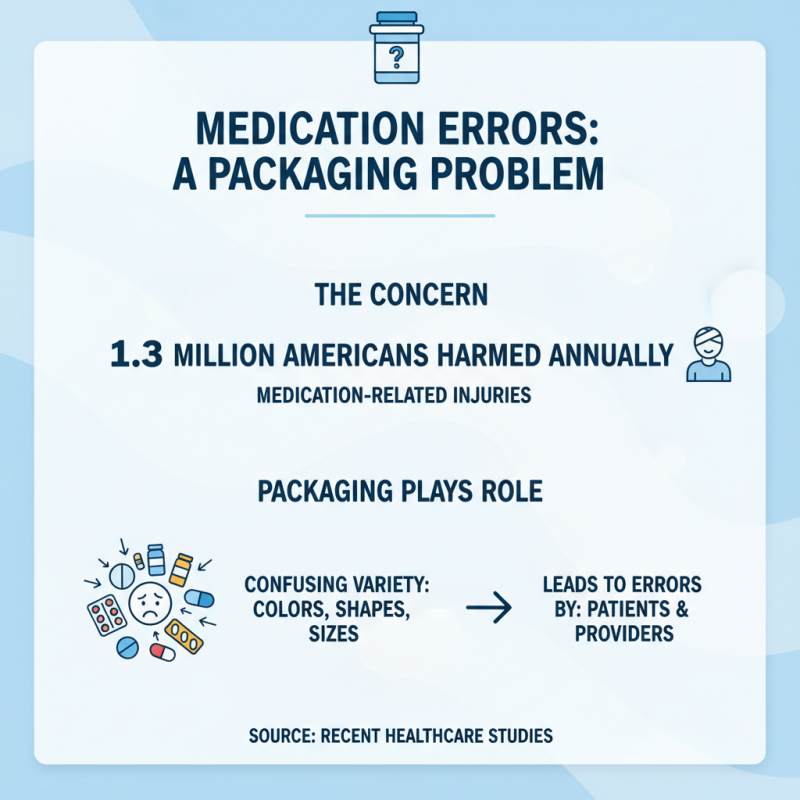
Medication errors are a growing concern in healthcare. Recent studies reveal that poor packaging plays a significant role in these errors. Roughly 1.3 million people experience medication-related injuries every year in the U.S. alone. A bewildering array of colors, shapes, and sizes characterizes pharmaceutical containers. This variety can easily confuse patients and healthcare providers alike.
Packaging that doesn't include clear labels is problematic. Many patients misread dosage instructions. The packaging must be intuitive, particularly for elderly patients. In one survey, nearly 50% of respondents reported difficulty opening standard pill bottles. They often mix up medications because of similar-looking containers. These simple mistakes lead to serious health consequences.
Not all packaging is user-friendly. Some designs are simply impractical. For instance, blister packs can be hard to peel, resulting in an inadvertent double dose. It’s essential to consider the user and their experience. Effective packaging must prioritize safety. Without this, the risk of errors remains disturbingly high. The industry must reflect on these issues to improve both safety and compliance.