Why is Packaging Crucial in the Pharmaceutical Industry?
Packaging in the pharmaceutical industry plays a critical role in ensuring product safety and efficacy. According to a recent report by the World Health Organization, nearly 50% of medication errors are attributed to poor packaging design. This indicates a significant gap in the current practices within the industry. Effective packaging not only protects the drug but also provides essential information for patients and healthcare providers.
The importance of packaging extends beyond protection; it influences patient compliance significantly. The Packaging Association reveals that patients are 30% more likely to adhere to medication schedules when packaging is user-friendly. This human factor highlights the need for thoughtful design and clarity in labeling. However, many pharmaceutical companies still face challenges in balancing cost, design, and regulatory requirements, leading to inconsistent packaging quality.
Moreover, environmental sustainability is emerging as a pressing concern. A survey from the Pharmaceutical Packaging Industry found that 70% of consumers prefer eco-friendly packaging options. Yet, many companies struggle to meet these demands while maintaining safety standards. This reflects a need for ongoing innovation and reflection on how packaging can evolve to meet both consumer expectations and regulatory guidelines.

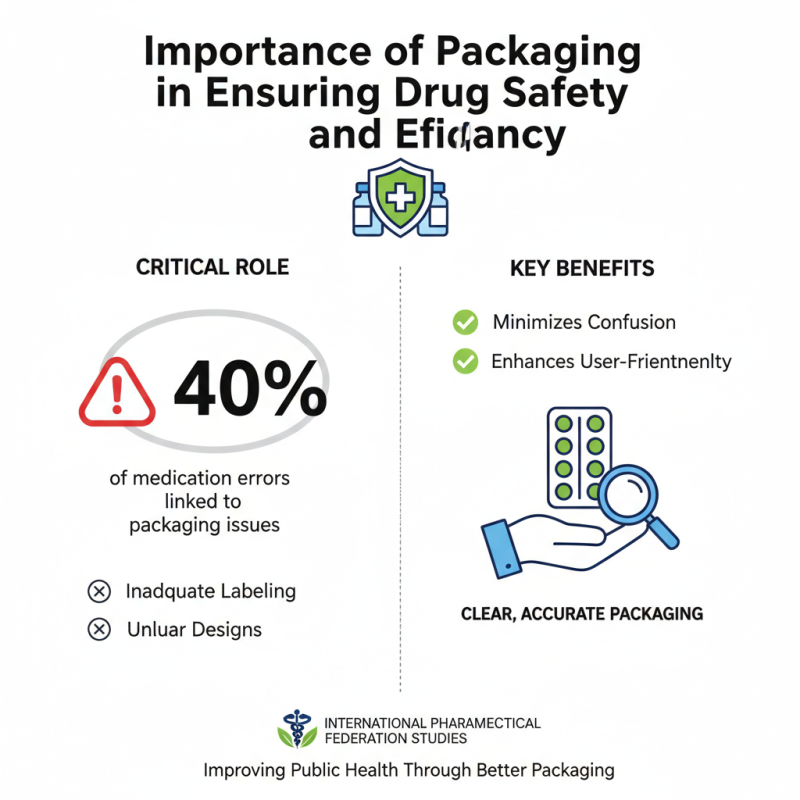
Importance of Packaging in Ensuring Drug Safety and Efficacy
Packaging plays a critical role in the pharmaceutical industry, directly impacting drug safety and efficacy. Studies by the International Pharmaceutical Federation highlight that nearly 40% of medication errors are linked to packaging issues. Inadequate labeling or unclear designs can lead to serious mistakes. This statistic emphasizes the need for clear, user-friendly packaging that minimizes confusion.
Additionally, protective packaging safeguards drugs against environmental factors. According to a report by the Institute for Packaging Professionals, up to 30% of pharmaceuticals lose efficacy due to exposure to moisture and light. Innovative materials and design techniques can help combat these challenges, ensuring that the drug maintains its intended potency.
Yet, the industry faces challenges. Some packages may be too complicated, making it difficult for patients to open them. Others might lack sufficient information on usage instructions. Continuous feedback from healthcare professionals and patients is essential for improving packaging design. Failing to address these issues could have significant implications for patient health and compliance.
Regulatory Standards Governing Pharmaceutical Packaging
In the pharmaceutical industry, adherence to regulatory standards is paramount for packaging. Compliance with these standards ensures the safety and efficacy of medications. Regulatory bodies impose strict guidelines for materials used in packaging. These materials must protect against contamination and degradation.
Many regulations focus on patient safety. For example, packaging must clearly display expiration dates and batch numbers. This transparency allows for traceability and trust. Mislabeling can lead to serious risks. Inadequate packaging can compromise a drug’s integrity.
Manufacturers often struggle to keep up with evolving regulations. Changes can happen rapidly, creating challenges. Keeping up with these standards is not merely an administrative task; it is vital for public health. Issues may arise if a company fails to adapt. Over time, a reputation relies on these compliance measures. In this context, reflective practices and continuous learning are crucial.
Why is Packaging Crucial in the Pharmaceutical Industry? - Regulatory Standards Governing Pharmaceutical Packaging
| Dimension |
Description |
Regulatory Body |
Key Standards |
| Child-Resistant Packaging |
Packaging designed to be difficult for children to open |
CPSC (Consumer Product Safety Commission) |
16 CFR Part 1700 |
| Tamper-Evident Packaging |
Packaging that indicates if it has been tampered with |
FDA (Food and Drug Administration) |
21 CFR Part 211.132 |
| Labeling Requirements |
Requirements for labeling to provide essential drug information |
FDA |
21 CFR Part 201 |
| Material Safety |
Packaging materials must be safe and non-reactive |
European Medicines Agency (EMA) |
Guideline on the packaging of medicinal products |
| Expiry Date Visibility |
Clear printing of expiry dates on packaging |
FDA |
21 CFR Part 211.137 |
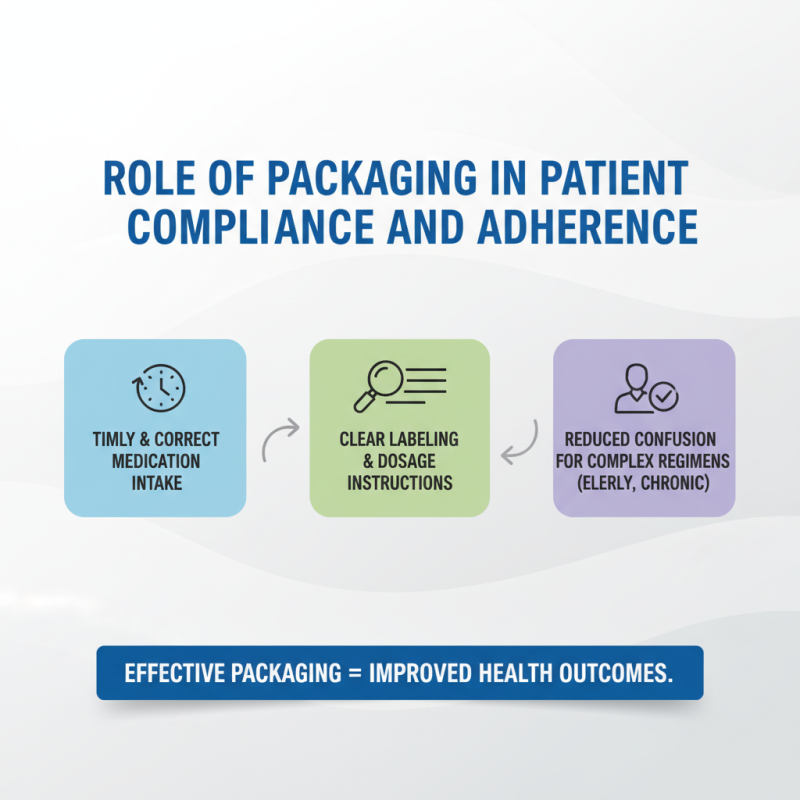
Role of Packaging in Patient Compliance and Adherence
Packaging plays a vital role in patient compliance and adherence in the pharmaceutical industry. Effective packaging ensures that medications are taken correctly and on time. Clear labeling with dosage instructions can minimize confusion. This clarity is essential for patients managing complex medication regimens, especially the elderly or those with chronic conditions.
User-friendly designs are crucial. Child-resistant containers can protect young children from accidental ingestion. Easy-open features are beneficial for those with limited hand strength. These small details promote independence and confidence in managing their medications. However, there is a challenge; some packages can be overly complicated, leading to frustration and misuse.
Moreover, packaging must also consider patient education. Informative inserts can provide insights into potential side effects and interactions. This increases patients' understanding and engagement with their treatment. While advancements in technology can enhance packaging, it remains essential to reflect on its effectiveness in real-world settings. Packaging that fails to resonate with patients can hinder adherence, making ongoing evaluation necessary.
Impact of Packaging on Drug Shelf Life and Stability
Packaging plays a vital role in ensuring drug shelf life and stability. According to a study published in the International Journal of Pharmaceutics, around 40% of drugs lose potency over time due to inadequate packaging methods. This statistic highlights the need for reliable packaging solutions in the pharmaceutical industry.
Effective packaging protects drugs from environmental factors. These include light, moisture, and temperature fluctuations. For example, moisture can lead to drug degradation, significantly reducing efficacy. The FDA reports that about 60% of pharmaceutical recalls are related to stability issues tied to inadequate packaging. It emphasizes the importance of considering materials that offer a barrier against such elements.
Moreover, packaging does not just guard against external elements. Advanced technologies like humidity indicators and oxygen absorbers enhance a drug's reliability. However, many companies still rely on outdated methods. This approach leaves gaps that may affect drug quality. Thus, continuous innovation in packaging is crucial for maintaining drug stability throughout its shelf life.
Innovations in Packaging Technology for Pharmaceuticals
In the pharmaceutical industry, packaging plays a pivotal role beyond mere aesthetics. It ensures drug stability and conveys crucial information. Recent innovations reflect this need for security and efficiency. Smart packaging technology, for instance, employs sensors to monitor temperature and humidity. This is vital for medications sensitive to environmental conditions.
Recent advancements have led to the development of biodegradable materials. These alternatives aim to reduce environmental impact. However, reliability in maintaining drug integrity remains a concern. Companies must find a balance between sustainability and safety. Additionally, child-resistant designs are increasingly common, enhancing safety for households.
Another breakthrough is serialization. This technique allows for unique identification of each package. It helps combat counterfeit drugs effectively. Yet, the integration of this technology can be complex and expensive. Industry players are still adapting to these changes. While progress continues, reflection on user experience and feedback is essential. Each innovation helps the industry, but not all solutions are perfect.
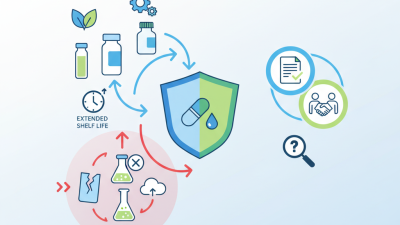
Impact of Packaging Innovations on Pharmaceutical Safety and Efficiency