What is Hydrogen Refueling Station for 2026 Canton Fair?
The Hydrogen Refueling Station is set to be a vital attraction at the 2026 Canton Fair. This international event, scheduled from April 15 to May 5, will showcase technological advances in various sectors. The focus on hydrogen technology is significant given its potential to transform energy consumption.
Hydrogen Refueling Stations represent a pivotal advancement in sustainable transportation. These stations will provide the necessary infrastructure for hydrogen fuel cell vehicles, promoting cleaner alternatives to fossil fuels. Attendees can expect to learn about innovative designs and operational efficiencies at these stations.
The implementation of AI in the Canton Fair will enhance navigation for visitors. This advanced technology will allow buyers to easily locate suppliers specializing in hydrogen fuel systems. The fair aims to improve the overall experience, making it easier to explore effective solutions for future energy challenges. However, there is still much to consider when it comes to the widespread adoption of hydrogen. Challenges remain in technology integration and market readiness.
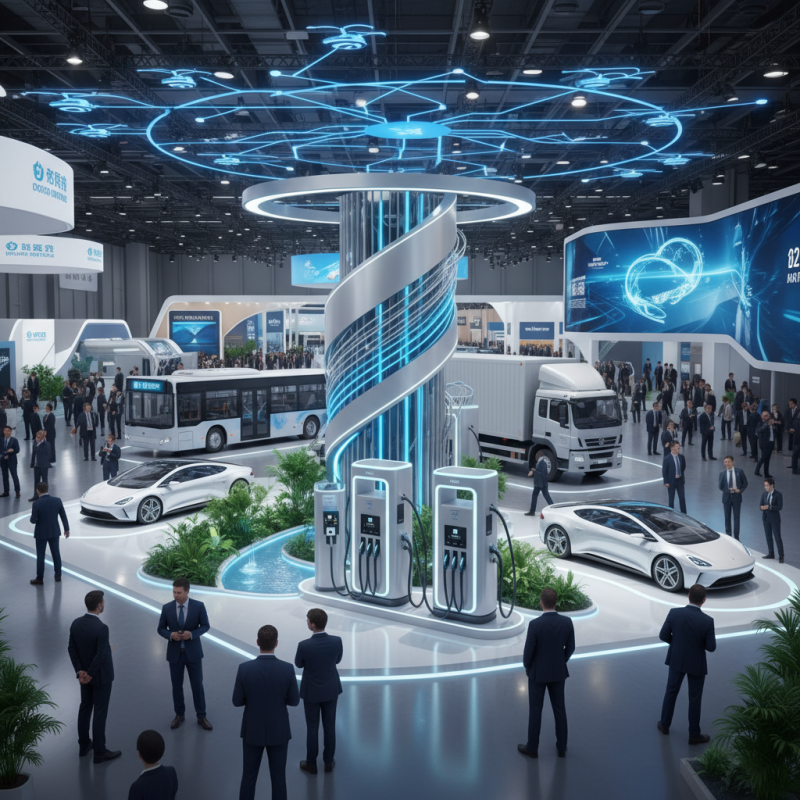
What is a Hydrogen Refueling Station?
A hydrogen refueling station is a facility that provides hydrogen gas to fuel hydrogen-powered vehicles. These vehicles, often called fuel cell vehicles, convert hydrogen into electricity. This electricity powers electric motors, making them efficient and eco-friendly.
Hydrogen refueling stations are essential for the growth of hydrogen mobility. In 2026, these stations will likely become more common, enhancing the infrastructure for sustainable transportation. Current challenges include high costs and limited availability. Many stations are still under development, and public adoption is slow.
**Tips:** Try to explore local hydrogen stations yourself. You may want to check their operating hours. Be prepared for limited access, as some stations may have unique hours. This exploration can lead to valuable insights and experiences.
The initiative for more hydrogen refueling stations is hopeful yet imperfect. Some areas lack basic infrastructure. In some regions, a single station serves a vast network of vehicles. Users often face long wait times or no service at all. This inconsistency can be frustrating but highlights the need for improvement in the energy landscape.
What is Hydrogen Refueling Station for 2026 Canton Fair? - What is a Hydrogen Refueling Station?
| Dimension | Description |
| Type of Station | Hydrogen refueling station |
| Fuel Type | Hydrogen |
| Purpose | Refueling hydrogen fuel cell vehicles |
| Expected Number of Stations by 2026 | Over 1,000 stations globally |
| Average Refueling Time | 3-5 minutes |
| Hydrogen Production Methods | Electrolysis, Steam Methane Reforming, Biomass Gasification |
| Environmental Impact | Lower greenhouse gas emissions compared to fossil fuels |
| Challenges | Infrastructure development, high production costs |
Key Components of Hydrogen Refueling Stations
Hydrogen refueling stations are vital for the future of clean transportation. They serve as the fueling point for hydrogen-powered vehicles. These vehicles produce zero emissions, making them eco-friendly. Understanding the components of these stations can help in the ongoing transition to a sustainable society.
Key components include the hydrogen storage tanks. These tanks are crucial for holding compressed hydrogen gas. They ensure safe storage and dispensing of fuel. Compressors are also important. They compress hydrogen to high pressures for efficient refueling. Special tools are used to connect vehicles to the station, ensuring a seamless flow.
Tips: Make sure to know the locations of these stations in your area. Accessibility is key for the use of hydrogen cars. Safety measures are also essential. Always check for the operational status of the refueling station before planning your trip.
In addition, real-time monitoring systems are significant. They ensure the station operates smoothly. This technology can notify operators of any issues. However, some stations struggle with technology integration. This can lead to safety concerns over time. It's essential to reflect on these challenges to improve future designs.
Global Market Trends in Hydrogen Refueling Infrastructure
Hydrogen refueling stations are gaining traction worldwide. By 2026, they will likely play a crucial role in global infrastructure. This trend aligns with the increasing demand for clean energy solutions. Hydrogen fuel cells offer a sustainable alternative to traditional fuels. Cities are investing in these stations, targeting cleaner urban transport.
Market analysis shows growth in hydrogen infrastructure. Countries are prioritizing this energy source for environmental benefits. New developments are occurring rapidly, but challenges remain. There are few established networks. Many potential users may feel uncertain about accessibility. The technology is still evolving, and this can cause confusion.
Tips: Look for local initiatives promoting hydrogen use. Check regional policies supporting green infrastructure. Engage with communities interested in developing these solutions. Educating yourself can lead to informed decisions. Remember, the landscape is changing, so stay updated on innovations and policies. Exploring practical solutions may help bridge the knowledge gap.
Safety Standards and Regulations for Hydrogen Refueling
Safety standards and regulations for hydrogen refueling stations are critical as the industry evolves. As we approach significant events like the 2026 Canton Fair, understanding these safety measures is essential. Hydrogen is a flammable gas, and improper handling can lead to devastating consequences. To mitigate risks, guidelines need to be strict and clear.
Regulations often cover tank design, installation, and operation. For example, pressure relief devices must be installed. These devices release gas safely in emergencies. Additionally, stations require regular inspections to ensure compliance with safety standards. Training for personnel is equally important. Workers must understand the hazards and emergency protocols.
Despite advancements, challenges remain. Not all countries have uniform regulations, leading to inconsistency. Some facilities may cut corners to save costs. This raises questions about industry commitment to safety. Continuous assessment and improvement are vital for building a safe hydrogen infrastructure. Collaboration across borders can achieve better standards.
Impact of Hydrogen Stations on the Transportation Sector by 2026
Hydrogen refueling stations are emerging as a vital component of the transportation sector by 2026. These stations facilitate the use of hydrogen fuel cell vehicles, which emit only water vapor. They provide a cleaner alternative to traditional fossil fuels. As cities become more congested, the demand for zero-emission vehicles increases. Hydrogen stations could play a significant role in reducing urban air pollution.
However, the infrastructure is still in its infancy. Building these stations requires significant investment and planning. Access to hydrogen production and distribution is not yet widespread. Many regions still lack the necessary facilities. This raises questions about the feasibility of widespread adoption. How can we address the gaps in technology and infrastructure?
Training for personnel is also essential. Proper knowledge of hydrogen safety is crucial. Many people are unaware of the benefits and challenges of hydrogen technology. Awareness programs could help promote understanding. Education will encourage more people to embrace this change. The road ahead may be complex, but the potential is undeniable.