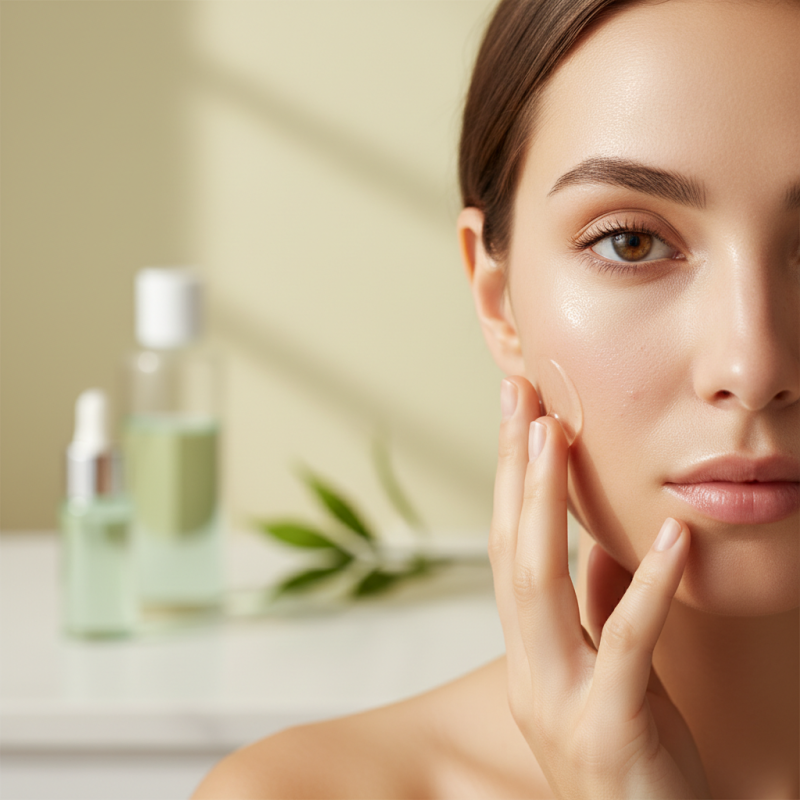
What is Glycolic Acid and How Does It Benefit Your Skin?
Glycolic Acid is a powerful ingredient in skincare. Dr. Emily Chen, a renowned dermatologist, states, "Glycolic Acid can transform your skin with consistent use." It’s a type of alpha hydroxy acid derived from sugarcane. Known for its exfoliating properties, it helps remove dead skin cells. Many people seek smoother, brighter skin, and Glycolic Acid promises that.
The benefits are impressive. It can improve skin texture and reduce fine lines. However, not everyone experiences the same success. Some users report irritation or sensitivity. Adjusting the concentration and frequency is crucial. Finding the right balance may require trial and error.
Whether you want a fresh glow or a clearer complexion, Glycolic Acid can be a game-changer. It offers the potential for visible results, but patience is essential. Embracing imperfections during the process can lead to greater insights about personal skincare journeys.
What is Glycolic Acid?
Glycolic acid is a natural exfoliant derived from sugar cane. It belongs to the alpha-hydroxy acid family. Renowned for its small molecular size, it penetrates the skin easily. This makes it effective for various skin concerns. Users often seek it for smooth and glowing skin.
Glycolic acid helps remove dead skin cells. It promotes cell turnover, improving skin texture and tone. Many people notice a reduction in fine lines and dark spots with regular use. It also helps in unclogging pores, making it beneficial for acne-prone skin. However, overuse can lead to irritation. Your skin needs time to adjust.
Tips: Start with lower concentrations. This can help prevent irritation. Apply sunscreen during the day. Glycolic acid makes your skin sensitive to the sun. Always follow with a moisturizer to keep skin hydrated. Listen to your skin's needs to avoid redness or peeling.
The Chemical Structure and Properties of Glycolic Acid
Glycolic acid is an alpha-hydroxy acid (AHA) derived from sugarcane. Its molecular structure features a small hydrocarbon chain with a carboxylic group, making it unique. This composition allows glycolic acid to penetrate the skin deeply and effectively.
With its small size, glycolic acid exfoliates the skin’s surface. It helps remove dead skin cells and promotes cell turnover. As a result, it reveals brighter, smoother skin. Many people appreciate its ability to improve skin texture and diminish fine lines. However, it can be irritating if used excessively.
Tips: Start with a low concentration. Test it on a small area first. This helps to avoid redness and discomfort. Remember to use sunscreen, as glycolic acid can increase sun sensitivity. Stay hydrated and moisturized to keep your skin balanced while using glycolic acid products.
How Glycolic Acid Works on the Skin
Glycolic acid is an alpha hydroxy acid known for its skin benefits. It is derived from sugar cane and has small molecules, allowing it to penetrate the skin effectively. When applied, glycolic acid exfoliates the skin surface. This accelerates cell turnover, revealing fresher, brighter skin. According to a 2020 study, glycolic acid improves texture and reduces signs of aging in about 40% of users.
How does glycolic acid work on the skin? It loosens the bonds between dead skin cells, helping them shed more easily. This process reduces the appearance of fine lines and dark spots. Regular use can enhance skin elasticity and firmness. However, it may cause irritation if overused. Starting with lower concentrations is key. An estimated 15% of people experience mild redness initially; this is a natural response.
Tips: Always apply sunscreen during the day when using glycolic acid. This helps protect your skin from UV damage. Be cautious, as sensitivity can vary. Experiment with a patch test. Gradually increase usage based on your skin's response. It's a balancing act. Glycolic acid can transform your skin, but awareness is essential. Respect its power, and adjust accordingly.
Benefits of Glycolic Acid for Various Skin Types
Glycolic acid is a powerful alpha hydroxy acid (AHA) known for its skin benefits. It helps exfoliate the skin, revealing a brighter and smoother texture. For oily skin types, glycolic acid can effectively reduce excess oil and prevent breakouts. This is especially useful for those struggling with acne-prone skin. Regular use can minimize the appearance of large pores, providing a refined look.
For dry or sensitive skin, glycolic acid may require caution. Start with lower concentrations to avoid irritation. It can boost hydration when used in combination with soothing ingredients. People with combination skin may find glycolic acid balances their oily and dry areas. Incorporating it into their routine could lead to a more uniform complexion.
Not every skin type reacts the same way. Some may experience redness or peeling. It’s essential to listen to your skin and adjust usage. When adding glycolic acid to your regimen, start slowly. Observe how your skin responds. Experimentation is key. The journey to finding the right balance for your skin is ongoing, but the benefits can be significant.
Potential Side Effects and Precautions When Using Glycolic Acid
Glycolic acid is a popular ingredient in skincare. It’s an alpha-hydroxy acid (AHA) derived from sugar cane. While it has many benefits, it also carries potential side effects and precautions. For instance, overuse can cause skin irritation. According to the Journal of Cosmetic Dermatology, about 30% of users experience mild redness or tingling after application.
When starting glycolic acid, it’s essential to do a patch test. A small area of skin should be treated first. This helps identify any adverse reactions. Dermatologists suggest using glycolic acid products gradually, perhaps once or twice a week. This approach minimizes irritation. The skin barrier may also become compromised if used too frequently.
Sun sensitivity is another concern. Glycolic acid increases the skin’s susceptibility to UV damage. Research published in the American Journal of Clinical Dermatology indicates that users should apply sunscreen daily. Wearing protective clothing can also help. Hydration is vital; pairing glycolic acid with a good moisturizer can soothe potential dryness. Awareness and caution are necessary for a safe experience.