How to Find Reliable Aluminum Can Suppliers in 2026?

Finding dependable aluminum can suppliers in 2026 requires more than comparing online prices. A polished website can hide inconsistent production, unclear material grades, or weak quality controls. Buyers need evidence, not promises.

This guide explains practical ways to evaluate aluminum can suppliers before signing an agreement. It examines manufacturing experience, can specifications, printing quality, closure compatibility, minimum order quantities, and production capacity. Request recent samples and inspect their seams, coating, dimensions, and surface finish. A sample can reveal problems that a sales presentation will not. Ask for batch records, testing procedures, and relevant certifications. Independent verification is valuable when the order involves large volumes or strict packaging requirements.

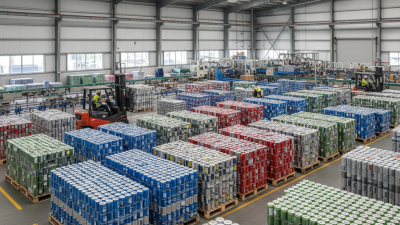
Reliable suppliers communicate clearly about tooling, lead times, shipping terms, and corrective actions. Their quotations should show more than the unit price. Include freight, tooling, inspection, storage, and possible replacement costs. A factory visit or live video audit may reveal useful details, such as organized pallets, calibrated equipment, and clean production areas. These details matter.

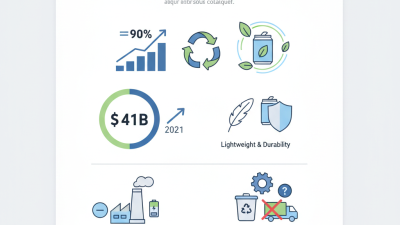
Sustainability also deserves careful review. Ask how suppliers manage recycled aluminum content, energy use, production waste, and supporting documentation. Environmental claims should be measurable. Vague promises are not enough.

No checklist is perfect. Even experienced buyers can overlook communication delays or seasonal capacity pressure. A small trial order can expose weaknesses before they become expensive. By combining firsthand checks, technical questions, and transparent records, businesses can build a more reliable supplier shortlist for 2026. The strongest decision balances quality, consistency, responsiveness, and total supply chain risk.
How to Find Reliable Aluminum Can Suppliers in 2026?

Define Your Aluminum Can Requirements and Quality Standards

When comparing aluminum can suppliers in 2026, begin with a written product brief. State the can volume, height, diameter, opening size, alloy preference, and expected annual quantity. Add the filling method and the product’s storage conditions. Refrigerated drinks may need different performance than shelf-stable products. Specify wall thickness, internal coating, external finish, color tolerance, and decoration method. Small differences matter. An opening that feels sharp can damage the filling line or disappoint customers. Do not rely on a supplier’s standard catalog alone.

Ask for measurable quality standards, not broad claims such as premium or export grade. Request drawings with tolerances, seam dimensions, coating limits, and acceptable dent levels. Define inspection methods for leaks, pressure resistance, coating adhesion, print alignment, and empty-can weight. Require batch records and certificates relevant to food-contact packaging. Requirements differ by market, so confirm applicable regulations with a qualified compliance professional. Samples are essential. Test them on your real line, including conveyors, seaming equipment, filling speed, and pasteurization conditions. A can may pass a supplier test and still fail during fast production.

In my supplier evaluations, I compare three sample batches rather than one perfect sample. I also inspect loading protection, carton strength, moisture exposure, and traceability labels. An independent factory audit can verify equipment maintenance, calibration, and corrective-action records. Yet no checklist removes every risk. One overlooked issue is often the minimum order quantity, which can create costly aging inventory. Discuss pilot orders, replacement procedures, delivery tolerances, and who pays for rejected cans. Keep every agreement in the purchase specification.

Research Supplier Capabilities, Certifications, and Production Capacity

In 2026, reliable sourcing starts with evidence, not attractive sample cans.

Request a capability sheet showing alloy grades, wall thickness, can diameters, decoration limits, tooling, and tested line speeds. Ask for recent batch records. International Aluminium Institute statistics reported roughly 73 million tonnes of primary aluminium production in 2023. That scale hides major differences between a smelter-linked group and a small converter. Check whether quoted output means theoretical capacity or monthly, validated capacity. Require three months of production data, planned maintenance records, and backup arrangements for coil, lacquer, and tooling.

Certifications need careful reading.

Verify current ISO 9001 and ISO 14001 certificates through the issuing body’s database. Confirm the factory address and certification scope. For food-contact cans, request conformity declarations, migration tests, and traceability procedures. FSSC 22000 or equivalent certification can support controls, but it cannot replace your own risk assessment.

Compare nonconformance rates, complaint closure times, and on-time delivery, not only certificates. Certification paperwork can look perfect. Operations may still be uneven. The ISO Survey 2023 shows management-system adoption, not automatic product quality.

Capacity should match your forecast and your worst month.

Ask for minimum order quantities, changeover minutes, scrap rates, and surge capacity under written terms. The International Aluminium Institute states that recycled aluminium requires about 95% less energy than primary metal. Therefore, request recycled-content calculations, scrap-yield records, and chain-of-custody evidence. Test samples should come from normal production, not a hand-tuned trial run. I would document every assumption, because a promising supplier can still miss a seasonal launch.

Compare Pricing, Minimum Orders, Lead Times, and Delivery Terms

How to Find Reliable Aluminum Can Suppliers in 2026?

A reliable supplier should provide more than an attractive unit price. Request quotes for the same can size, alloy, coating, printing method, and packing quantity. A low price may exclude tooling, setup fees, inland freight, or protective packaging. Ask for a complete cost sheet. Small numbers matter.

Minimum order quantities can affect cash flow more than expected. Compare the supplier’s standard MOQ with your realistic monthly demand. A factory offering 100,000 cans may seem efficient, but excess inventory can become expensive. I once focused too heavily on price and overlooked storage costs. That decision required correction. Ask whether trial orders or mixed sizes are available.

Tips: Request production samples before approving a large order. Confirm lead times in writing, including artwork approval, tooling, production, and inspection. Separate working days from calendar days. A quoted 20-day lead time may exclude weekends or holiday shutdowns. Check the supplier’s recent production records, quality certificates, and response speed. Reliable communication is practical evidence.

Delivery terms deserve equal attention. Clarify whether the quote includes transport, insurance, export handling, unloading, or final delivery. Record the agreed Incoterm and destination precisely. Ask how damaged cartons, shortages, and delayed shipments are handled. Build a small buffer into your launch schedule. Even well-managed factories can face material shortages or port congestion. Never rely on a verbal promise alone.

How to Find Reliable Aluminum Can Suppliers in 2026

Compare indicative supplier-screening benchmarks for unit pricing, minimum order quantity, lead time, and delivery terms before requesting formal quotations.

Profile Indicative Delivery Term Best Use Case
Profile A FOB port; buyer arranges ocean freight and insurance Large recurring orders
Profile B CIF destination port; freight included, import clearance excluded Balanced landed-cost planning
Profile C EXW factory; buyer controls pickup and export logistics Experienced logistics teams
Profile D DDP destination; duties and delivery included where available Smaller buyers seeking simpler delivery

Screening reference only: aluminum can prices, MOQs, lead times, and freight terms vary by can size, alloy, decoration, order volume, destination, and contract timing. Confirm all figures through a written 2026 quotation.

Verify Samples, Manufacturing Processes, and Quality Control Systems

How to Find Reliable Aluminum Can Suppliers in 2026?

Verify Samples, Manufacturing Processes, and Quality Control Systems

Reliable aluminum can sourcing in 2026 starts with evidence, not polished catalogs. Request production samples from the exact line assigned to your order. Check dimensions, wall thickness, neck finish, seam integrity, coating coverage, and print registration. Fill several cans with your intended product, then store them under realistic heat and humidity conditions. Look for swelling, corrosion, odor transfer, and leaking seams. A sample can pass inspection and still fail after transport. That happened in a small trial I reviewed; the laboratory sample was excellent, but pallet vibration exposed weak seams. Maybe the test plan was too gentle.

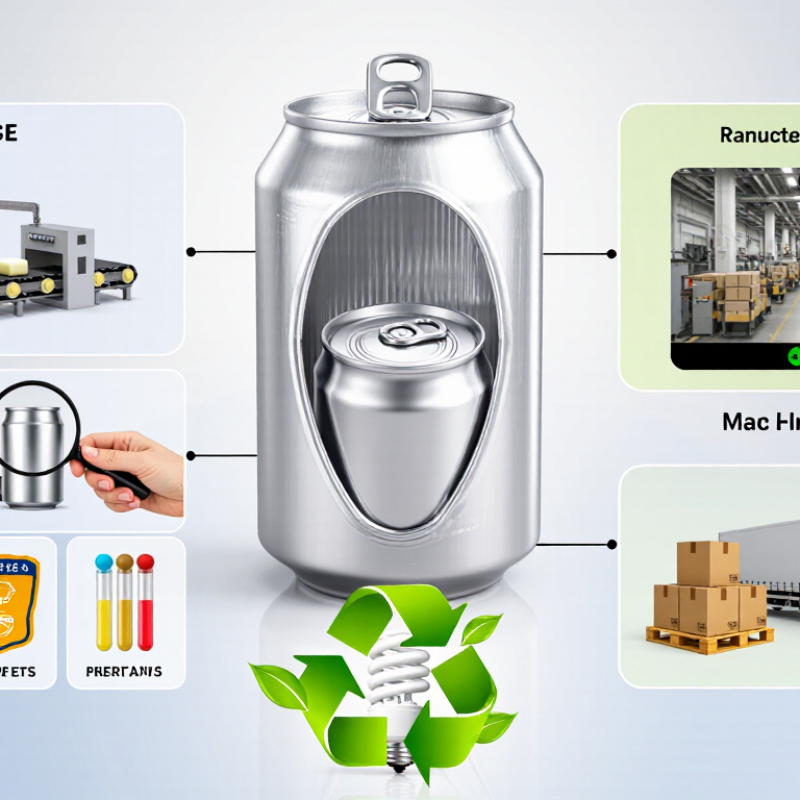
Ask the supplier to explain its manufacturing process in plain language. Review aluminum alloy certificates, forming controls, washing stages, internal coating application, curing temperatures, and inspection points. Traceability should connect each carton to a batch, machine, operator, and inspection record. Visit the facility when possible, or use an independent auditor. Photos are useful, but they are not proof. Request current calibration records for gauges, seam testers, coating meters, and pressure equipment. Confirm corrective-action procedures, not merely a quality slogan. Small gaps matter.

A dependable quality control system combines incoming inspection, in-process checks, and final release testing. Ask for sampling plans, defect classifications, test frequencies, and retained samples. Verify certificates through test laboratories with suitable accreditation and clear scopes. Compare reported results with your own random checks before approving regular shipments. Keep written specifications, approved samples, change-notification rules, and complaint timelines. Suppliers should disclose process changes before production, not after a shipment arrives. I would also challenge unusually perfect data; real factories have variation, and honest records show how it is managed.

Evaluate Contracts, Communication, Sustainability, and Long-Term Reliability

How to Find Reliable Aluminum Can Suppliers in 2026?

In 2026, supplier research should begin with the contract, not a glossy capability deck. Define alloy, can dimensions, coating requirements, tolerances, tooling ownership, and approved raw-material sources. Add sample approval stages, delivery windows, inspection methods, and remedies for repeated defects. Payment terms should match verified milestones. A vague quality clause creates expensive arguments later. Request production records for trial batches, including wall-thickness checks and pallet counts. Details reveal operational discipline.

Tips: Ask for a named account manager and a backup contact. Set response-time expectations for urgent issues. Require written change notices before any material, process, or factory adjustment. Test a modest first order. It exposes communication gaps without risking a full launch.

Sustainability claims need evidence, not attractive percentages. Request recycled-content calculations, energy data, waste controls, and recent third-party audit reports. Check whether figures cover the specific facility making your cans. Long-term reliability also depends on capacity planning, maintenance schedules, logistics alternatives, and transparent problem reporting. A factory visit or live production call can confirm whether systems match the paperwork. Still, no review is perfect. Weather, metal shortages, and sudden demand can disrupt strong suppliers. Use quarterly scorecards, corrective-action deadlines, and a contingency source. Trust grows through measured performance, not promises.