Top Deep Ball Groove Bearing Trends at 139th Canton Fair?
The 139th Canton Fair offers a unique platform for showcasing the latest trends in deep ball groove bearings. As industries evolve, advancements in bearing technology play a crucial role in enhancing performance and reliability. According to recent market analyses, the global bearing market is projected to reach over $80 billion by 2026, emphasizing the growing demand for specialized bearings.
deep ball groove bearings have garnered significant attention due to their versatility and efficiency. The integration of AI in this year’s Fair allows buyers to quickly identify suppliers with relevant certifications, such as ISO and CE. This innovation is expected to improve navigation within the expansive 1.55 million square meters of exhibition space.
However, the industry faces challenges. Manufacturers often struggle to keep pace with the rapid technological changes. While many bearings offer enhanced properties, not all meet stringent performance standards. Considering this, professionals must critically assess both the quality and capabilities of deep ball groove bearings to ensure sustainable development in their applications.
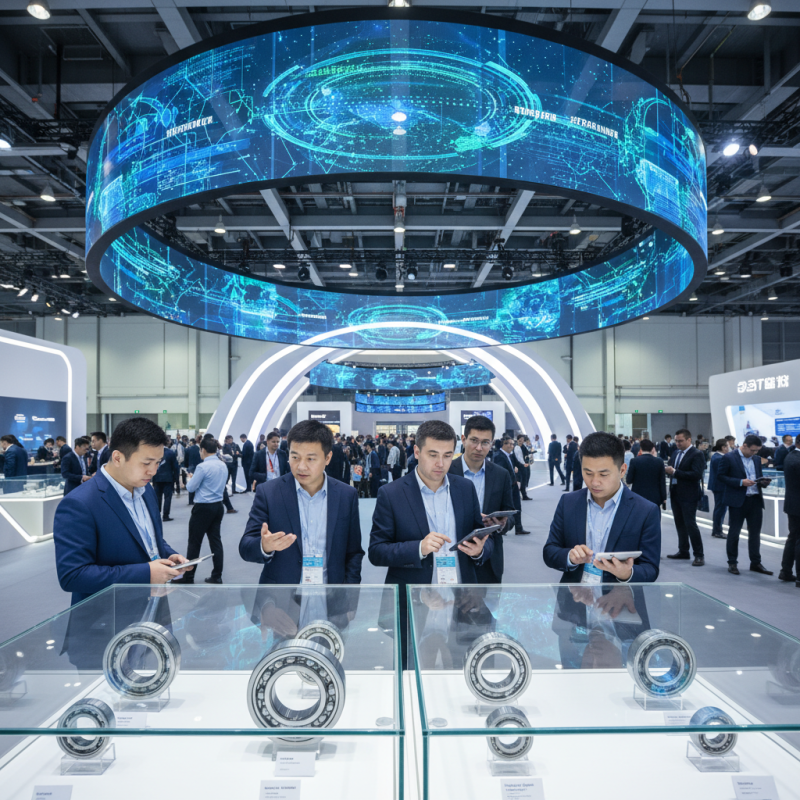
Emerging Technologies in Deep Ball Groove Bearings at Canton Fair
Emerging technologies in deep ball groove bearings are at the forefront of discussion at the 139th Canton Fair. These innovations focus on enhancing performance, durability, and efficiency. Manufacturers are exploring new materials that reduce friction and improve thermal stability. This can lead to a significant increase in the lifespan of bearings.
One exciting trend is the integration of smart technologies. Sensors embedded in bearings can monitor performance in real-time. This helps predict failures before they happen. It’s revolutionary. However, companies face challenges in implementing these technologies. The complexity can deter smaller manufacturers from adopting such advancements.
Tips: When exploring emerging technologies, consider compatibility with existing systems. Also, invest in training for your team. Understanding new advancements is crucial. Practical applications of technology can be complex. Companies should not rush into new trends; a careful approach works best.
Impact of Industry 4.0 on Deep Ball Groove Bearing Manufacturing
The rise of Industry 4.0 is reshaping deep ball groove bearing manufacturing. Automation is at the forefront. Machines now operate with precision, reducing human error. This shift leads to faster production cycles. Many manufacturers embrace robotics for assembly and inspection. However, this reliance on technology presents challenges.
Data analytics play a crucial role in the process. Real-time monitoring enhances quality control but requires skilled workers. The need for trained personnel increases. Not all companies are equipped to adapt quickly. Some struggle with the integration of new technologies. Cybersecurity concerns also arise as factories become more connected.
Sustainability is another consideration. As manufacturing evolves, eco-friendly practices must be prioritized. More companies are seeking greener materials. However, the transition can be difficult. Balancing efficiency with environmental responsibility requires careful planning and reflection. The journey toward Industry 4.0 is filled with potential, but problems need addressing. Each step forward offers lessons for future growth.
Sustainability Trends in Deep Ball Groove Bearing Production
The 139th Canton Fair showcased significant sustainability trends in deep ball groove bearing production. Manufacturers are increasingly focusing on eco-friendly materials. This shift greatly impacts the design and longevity of bearings. A reduction in waste during production is a key goal. Some companies use recycled materials to produce high-quality components.
Another notable trend is energy-efficient manufacturing processes. Factories are implementing greener technologies, like solar energy and efficient machinery. These changes not only lower the carbon footprint but also reduce operational costs. However, achieving these goals can be challenging. Some manufacturers still rely on outdated machinery. This inconsistency raises questions about the overall commitment to sustainability.
Moreover, many producers are exploring biodegradable lubricants. These new options could transform the lubrication industry. However, there is still skepticism about their effectiveness. While these trends point to a greener future, the journey is not straightforward. Ensuring quality while maintaining sustainability standards requires continuous evaluation and improvement. The industry has room for growth and reflection.
Top Deep Ball Groove Bearing Trends at 139th Canton Fair - Sustainability Trends in Deep Ball Groove Bearing Production
| Trend Category | Current Focus | Sustainability Impact | Market Growth (%) |
| Eco-friendly Materials | Increased use of recycled materials | Reduction in environmental footprint | 15% |
| Energy Efficiency | Enhanced production processes | Lower energy consumption | 20% |
| Smart Technology Integration | Use of IoT in monitoring | Improved efficiency and maintenance | 30% |
| End-of-Life Programs | Recycling and repurposing strategies | Minimization of waste | 10% |
| Sustainable Supply Chains | Local sourcing and ethical practices | Support for sustainable communities | 25% |
Consumer Preferences Driving Changes in Deep Ball Groove Bearings
The 139th Canton Fair showcased significant shifts in consumer preferences for deep ball groove bearings. Many attendees expressed a desire for more environmentally friendly options. Buyers are increasingly leaning towards materials that reduce carbon footprints. This change reflects a broader trend toward sustainability in industrial products. Exhibitors who adapted quickly to these demands saw positive engagement.
Another prominent trend is the push for innovation in design and functionality. Consumers want bearings that not only perform well but also enhance machinery efficiency. Modern manufacturers are exploring new technologies. However, some traditional designs remain popular due to their reliability. This presents a challenge: balancing innovation with proven options.
Many discussions revealed that price sensitivity is still a major factor. Some consumers are hesitant to spend on premium products. They question whether advanced features justify added costs. This creates room for improvement in communication. Educating buyers on the benefits of high-quality bearings can bridge this gap. Overall, understanding these consumer preferences is essential for manufacturers aiming to stay competitive.
Top Deep Ball Groove Bearing Trends at 139th Canton Fair
Comparative Analysis of Global Deep Ball Groove Bearings Market Innovations
The global deep ball groove bearing market is experiencing visible shifts. This is evident at recent trade shows like the 139th Canton Fair. Key innovations emerge as industries evolve. For instance, manufacturers are focusing on enhanced materials that improve durability. Reports suggest a rise in the use of ceramic and hybrid bearings. These materials offer reduced friction and improved performance.
Innovation isn’t the only trend. Sustainability is also crucial. Many manufacturers are adopting eco-friendly practices. This includes the use of recyclable materials in production. A study from the Bearing Industry Association noted that over 30% of companies aim to cut carbon footprints by 2025. However, some businesses are lagging. They struggle with adapting to these new practices.
Price volatility remains a critical concern as well. Market data shows fluctuations in raw material costs impact production. Manufacturers that fail to adapt to these changes face challenges. A report highlighted that some companies reported production delays due to supply chain issues. This reflects a need for better strategic planning in the industry. The market is evolving, and staying ahead is more crucial than ever.