How to Choose the Best Shopping Bag for Your Business Needs?
Choosing the right shopping bag for your business can significantly influence both customer satisfaction and your brand's sustainability profile. According to a recent report by the Sustainable Packaging Coalition, 72% of consumers consider the environmental impact of their purchases. This statistic highlights the growing importance of eco-friendly shopping bags in today's market. Expert Susan Green, a leading figure in sustainable retail solutions, emphasizes, “The right shopping bag can be a powerful tool for brand storytelling.”
While many businesses focus solely on cost, it is crucial to balance price, durability, and environmental impact. Not all materials are created equal. For instance, plastic bags may be cheaper upfront but can damage your brand's image in the long run. Consider reusable options, as they can enhance customer loyalty. A 2022 study found that brands using reusable shopping bags experienced a 25% increase in repeat customers.
Let’s not ignore the imperfections in the shopping bag market. Some companies may struggle to find suppliers who meet their eco-standards. Additionally, trends keep changing, making it hard to stay relevant. Therefore, evaluating your specific business needs while keeping the customer experience in mind is vital for making informed choices.
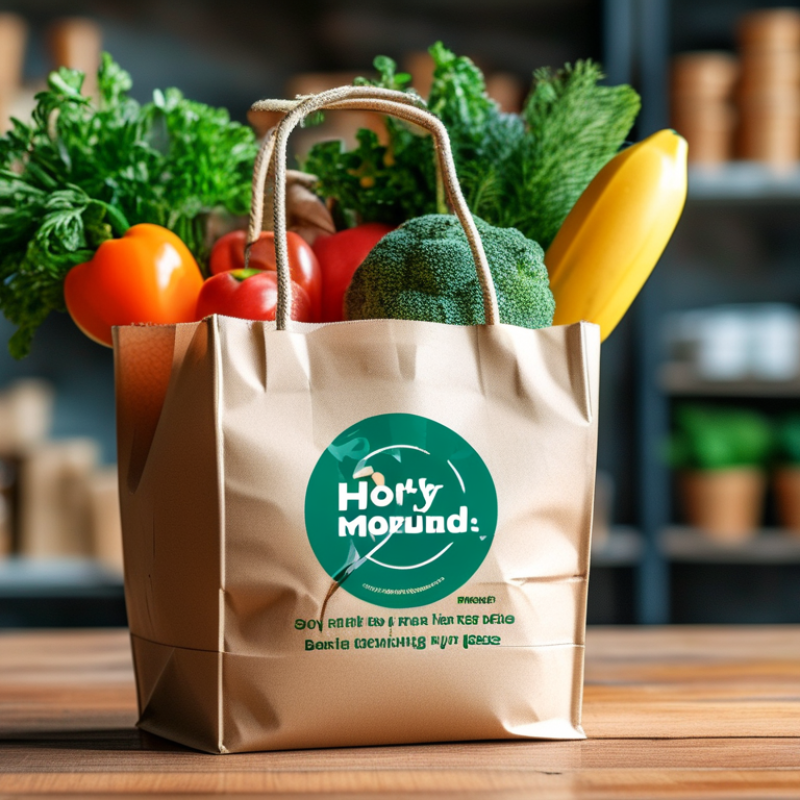
Understanding Different Types of Shopping Bags Available for Businesses
When selecting a shopping bag for your business, it's crucial to understand the variety available. A survey by the American Plastic Bag Alliance revealed that 100 billion plastic bags are used in the U.S. every year. This highlights the significant demand for bags that cater to diverse business needs.
Tote bags are popular for their durability and spaciousness. Made from materials like canvas, they offer a sturdy option for carrying heavier items. According to a recent report by the National Retail Federation, 82% of consumers prefer reusable bags over single-use alternatives.
Paper bags are also gaining attention. They are biodegradable and readily recyclable, appealing to environmentally conscious consumers. The global paper bag market is expected to grow at a rate of 4.7% annually, showing a shift toward sustainable packaging solutions. However, not all businesses appreciate the limitations of paper bags. They can tear easily under heavy loads and are often more expensive than plastic.
Businesses must consider their target audience and product type when choosing bags. Striking a balance between functionality and eco-friendliness is essential.
Evaluating Material Options for Durability and Sustainability
Choosing the right material for your shopping bags is crucial. It affects durability and sustainability. Common options include plastic, cotton, and recycled materials. Each has its own benefits and drawbacks.
Plastic bags are lightweight and waterproof. However, they are often criticized for environmental impact. Over time, alternatives like biodegradable or compostable plastics emerged. These options provide better sustainability without compromising usability.
Cotton bags stand out for their durability. They can withstand heavy use and are washable. Yet, cotton production requires significant water and can be resource-intensive.
Tip: Consider hybrid materials. They combine the strength of fabrics with sustainable properties. This option may also appeal to eco-conscious consumers.
Recycled materials present a compelling choice. They utilize waste products, reducing the need for virgin resources. This approach lowers your carbon footprint. However, keep in mind that recycled bags may not always meet durability standards.
Tip: Test samples to assess strength and longevity. Don't overlook how your bags hold up under real-world conditions. This evaluation can save resources and enhance customer satisfaction.
Assessing Size and Capacity Based on Your Business Needs
Choosing the right shopping bag requires careful assessment of size and capacity. Businesses need to evaluate their specific needs. For instance, a recent industry report indicated that 68% of consumers prefer bags that can hold multiple items. This preference highlights the importance of size. A bag that can accommodate various products enhances customer satisfaction and encourages repeat purchases.
Understanding the capacity is also crucial. Studies show that bags with a capacity of 10-15 liters are favored by over 54% of shoppers when purchasing groceries. This suggests a suitable range for businesses focusing on food and retail sectors. A bag too small may lead to frustration. Conversely, oversized bags may appear wasteful. Striking the right balance is vital.
Reflecting on the material is important as well. Durable materials can support higher weights, impacting customer experience. Research shows that 73% of consumers are willing to pay a premium for reusable, sturdy bags. Assessing both size and capacity while considering material can lead to a more sustainable choice. Many businesses overlook this connection, leading to missed opportunities for brand loyalty and eco-conscious appeal.
Design Considerations for Branding and Customer Appeal
When selecting the right shopping bag for your business, design plays a pivotal role. A well-designed bag not only serves its purpose but also reflects your brand identity. Effective branding can attract customers, enhancing their shopping experience.
Colors are powerful. Choose hues that resonate with your brand. For instance, vibrant colors may evoke energy, while pastels indicate gentleness. Don’t overlook logo placement. It should be visible and clear. A strategically placed logo can reinforce brand recognition and loyalty.
Tips to Consider: Focus on functionality too. A bag that fails after a few uses can harm your reputation. Consider the size and material carefully. Eco-friendly options may appeal to a conscious audience. However, ensure durability to avoid quickly damaged bags. Customers prefer items that last longer.
A well-thought-out design can make your shopping bag more than just a container. It can become a statement piece. Reflect on your target audience. Their preferences should guide your choices. Remember that every detail counts.
How to Choose the Best Shopping Bag for Your Business Needs? - Design Considerations for Branding and Customer Appeal
| Bag Type | Material | Durability | Branding Potential | Cost | Eco-Friendliness |
| Reusable Tote | Cotton/Cotton Blend | High | High | Medium | Yes |
| Plastic Shopping Bag | Polyethylene | Medium | Low | Low | No |
| Paper Bag | Recycled Paper | Medium | Medium | Medium | Yes |
| Luxury Fabric Bag | Silk/Canvas | Very High | Very High | High | Variable |
| Insulated Bag | Foam and Fabric | High | Medium | High | No |
Budgeting for Shopping Bags: Costs and Value Analysis
When considering budget for shopping bags, several factors come into play. Analyzing costs is essential. The material, design, and quantity can significantly affect prices. For instance, biodegradable materials may cost more upfront but save in recycling fees. Understanding long-term value is crucial.
Tips: Look for bulk purchase options. They often reduce costs per unit. Evaluate potential savings over time. Consider the durability of the bags. Cheaper options may lead to frequent replacements, increasing overall spending.
It’s also important to align bag choices with your brand image. A high-quality bag can enhance customer perception. However, overextending your budget on luxury materials might not yield the expected returns. Examine both function and appeal closely. Choose wisely.