How to Choose the Best Adhesion Promoters for Your Needs?
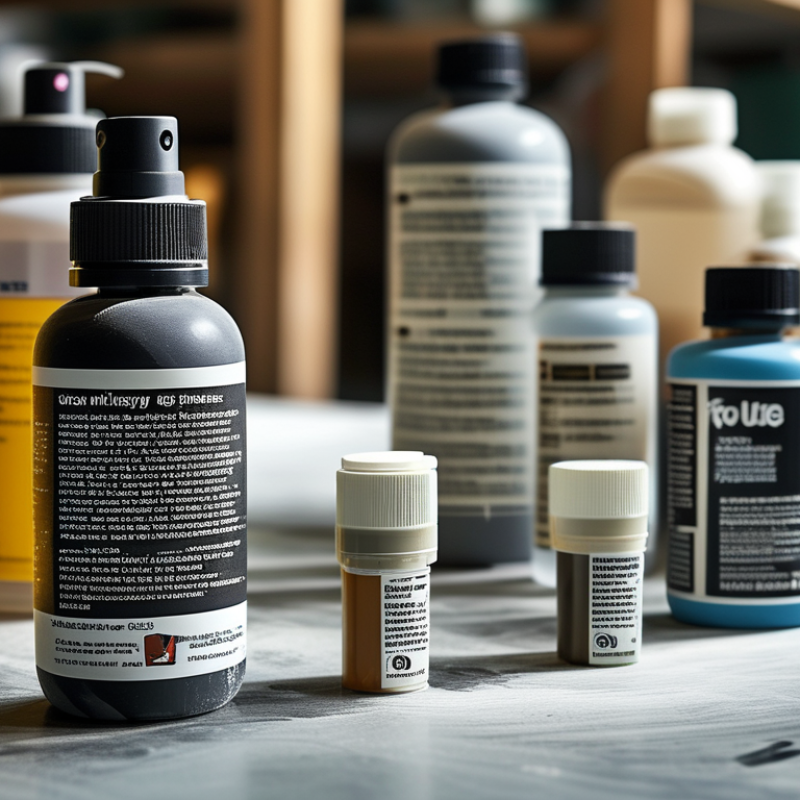
Choosing the right Adhesion Promoters can significantly impact your projects. These materials enhance the bond between surfaces. They come in various types, each suited for specific applications.
Understanding your needs is crucial. Are you working with plastics, metals, or ceramics? Each material requires different Adhesion Promoters. A wrong choice may lead to failure, and this can be costly. Consider factors like environmental conditions and application methods.
Moreover, quality matters. Not all Adhesion Promoters are created equal. Some may not deliver the desired results. Researching reliable brands is essential. User reviews and expert opinions can guide your decision process. Reflect on your past experiences about your choices. This will help you make informed decisions moving forward.
Understanding the Role of Adhesion Promoters in Coating Systems
Adhesion promoters play a critical role in coating systems. They improve the bond between substrates and coatings, ensuring durability and longevity. Without proper adhesion, even the best coating can fail, leading to costly repairs. Understanding the composition of adhesion promoters is essential. They often contain functional groups that react with both the substrate and the coating.
When selecting adhesion promoters, consider the substrate material. Different materials require different approaches. For instance, metal surfaces can benefit from specific primers, while plastics may need other formulations. Testing adhesion in small areas before full application is crucial for optimal results.
Here are some tips:
- Evaluate the environment where the product will be used. Humidity and temperature can affect adhesion.
- Check for surface cleanliness. Even small contaminants can interfere with adhesion.
- Remember, trial and error can be valuable. Not every promoter will work effectively on all surfaces. Adjust your approach based on results.
Types of Adhesion Promoters: An Overview of Available Options
When selecting an adhesion promoter, it's essential to understand the different types available. Each type serves specific applications and materials. For example, vinyl-based adhesion promoters enhance bonding with plastics and coatings. They work by increasing surface energy, improving wetting. This type is effective for various substrates commonly used in automotive and construction industries.
Another option is silane-based adhesion promoters. These work by forming chemical bonds with the substrate. They are ideal for glass and metal applications. Silane promoters can also reduce water absorption in porous materials. This characteristic leads to improved durability and performance over time.
Choosing the right adhesion promoter can be challenging. Different materials require specific adhesion solutions. Understanding material compatibility is crucial. Testing different options might reveal unexpected results. It's vital to approach the selection process thoughtfully, considering all factors.
Factors to Consider When Selecting Adhesion Promoters
When selecting adhesion promoters, various factors come into play. The material compatibility is crucial. Different substrates will react differently to adhesion promoters. For instance, a promoter suitable for plastics may not work for metals or glass. Always research the specific interactions between materials. This ensures optimal adhesion in your application.
The application method also matters. Some promoters require specific techniques, like spraying or brushing, to achieve the best results. Additionally, consider the environmental conditions. Temperature and humidity can impact the effectiveness of adhesion promoters. Testing in your specific conditions may yield surprising results.
Another significant factor is the desired durability. Some projects need long-lasting adhesion, while others can tolerate shorter lifespans. Reflecting on your project’s requirements is essential. Think about potential challenges that may arise. Not every situation will meet expectations. Evaluating various options helps enhance decision-making. An informed choice can save time and resources in the long run.
Application Techniques for Optimal Use of Adhesion Promoters
Application techniques for optimal use of adhesion promoters can greatly enhance bonding performance. Preparing the surface is crucial. Begin with thorough cleaning. Remove dust, oils, and contaminants. Mechanical abrasion may also improve surface roughness, which helps adhesion.
Applying the adhesion promoter requires attention. Use a spray or brush to apply an even coat. Maintain a consistent distance from the surface. Uneven application can lead to weak points in bonding. Make sure to let it dry completely before moving on. Ignoring drying times can compromise the effectiveness.
Testing the adhesion bond is essential. Conduct small trials before full-scale application. This step can reveal potential issues, like poor compatibility. Monitoring environmental conditions, such as humidity and temperature, is equally important. These factors can influence adhesion quality. If the bond fails, reflect on your technique and adjust accordingly. Consistency, preparation, and testing make a real difference.
How to Choose the Best Adhesion Promoters for Your Needs?
| Adhesion Promoter Type | Recommended Substrates | Application Method | Curing Time | Additional Properties |
| Silane-based | Glass, Metals, Ceramics | Spray, Brush | 30 minutes | Water repellency, UV resistance |
| Polymer-based | Plastics, Wood, Composites | Coat, Dip | 1 hour | Flexibility, Chemical resistance |
| Acid-based | Metals, Ceramics | Application by brush | 15 minutes | High adhesion strength, Quick curing |
| Organic Silicate | Glass, Metal, Plastic | Roll, Spray | 2 hours | Improves wetting, Heat resistance |
Testing and Evaluating Adhesion Performance in Your Projects
Testing and evaluating adhesion performance is crucial in various projects. Each application may vary in its requirements. You must understand the specifics of your materials and the environment in which they'll be used. Monitoring factors like temperature and humidity can significantly impact adhesion quality.
Conducting adhesion tests helps identify how well your chosen promoter works with your materials. Different methods can be implemented, such as peel tests, shear tests, or tape tests. Each method provides insights into the adhesion strength. It’s essential to document the outcomes meticulously for future reference.
However, results can sometimes be inconsistent. Variability can stem from surface preparation or environmental factors. Reflecting on your testing method and conditions may reveal areas for improvement. Iterating on your process ensures more reliable outcomes in future projects. Adapting your approach based on testing feedback is vital for success.
Adhesion Performance Evaluation of Various Promoters
This bar chart illustrates the adhesion strength of different adhesion promoters. The values in N/cm² indicate the performance of each promoter, helping you to choose the best one for your specific needs.