How to Choose the Best Bag Making Machine for Your Business?
Choosing the right Bag Making Machine for your business is crucial. It directly impacts production efficiency and product quality. With countless options on the market, navigating the choices can be overwhelming. Many businesses make mistakes by prioritizing low costs over quality. This often leads to additional expenses in repairs or replacements.
Understanding your specific needs is vital. Consider the types of bags you plan to produce. Different machines offer various functionalities tailored to specific materials and designs. For example, if you aim to produce eco-friendly bags, look for machines designed for biodegradable materials. It’s also important to research the manufacturers. They should have a proven track record in the industry.
New innovations in technology can enhance your operations. Regular updates in features can improve productivity and reduce waste. Not all machines will meet your growing demands. Therefore, always evaluate user reviews and expert opinions to make an informed decision. A well-chosen Bag Making Machine can be a significant asset for your business longevity.
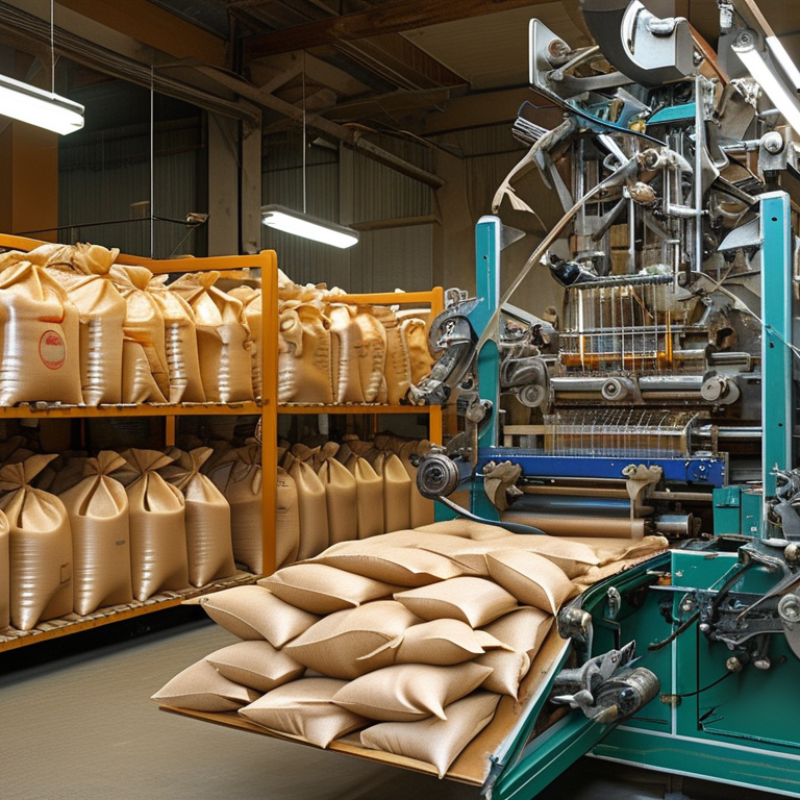
Understanding Your Bag Production Needs and Business Goals
When selecting a bag making machine, understanding your production needs is crucial. Research indicates that 70% of manufacturers struggle with meeting customer demand due to inadequate machinery. This often leads to delays and loss of sales opportunities. Defining your specific requirements can help narrow down your options.
Consider the types of bags you plan to produce. Are you focused on paper, plastic, or reusable bags? Each material requires different machinery capabilities. For instance, according to a 2021 industry report, machines that produce reusable bags have seen a 25% increase in demand over the past two years. This trend reflects growing consumer concerns about environmental sustainability. If your business aligns with this demand, investing in advanced technology is imperative.
Evaluate your business goals as well. Are you aiming for rapid production, or is quality your top priority? Some machines offer high-speed capabilities but may sacrifice quality. A balance must be found. A 2022 study showed that 30% of manufacturers had to retrain staff due to complexities in new machinery. This is a reflection point; ensure that the technology you choose matches not only your production capacity but also your workforce's skill level.
Identifying Key Features of Bag Making Machines
When choosing a bag making machine, key features play a vital role in enhancing productivity. The machine’s speed is crucial. High-speed machines can produce up to 300 bags per minute, significantly increasing output. This is especially relevant for businesses facing tight delivery schedules.
Automation is another important aspect. Fully automated machines reduce labor costs and minimize human error. A recent industry report highlighted that automated machines can improve production efficiency by over 30%. Businesses can benefit from enhanced consistency and reduced downtime when investing in advanced technology.
Material compatibility should not be overlooked. Different machines cater to various materials such as polypropylene, paper, or biodegradable options. Selecting a machine that handles multiple materials can open doors to new markets. The flexibility to adapt can create opportunities for product innovation, yet it may require some initial investment and training. Finding the right balance is essential for sustainable growth in today's competitive market.
Key Features to Consider When Choosing a Bag Making Machine
Comparing Different Types of Bag Making Machines
When evaluating bag making machines, it's essential to understand the various types available. Inline machines are popular for their efficiency. They produce bags continuously, reducing labor costs. However, they may require a significant initial investment. In contrast, semi-automatic machines offer flexibility. They are suited for smaller operations and diverse bag styles, yet they may slow production speeds.
Automatic machines are another option. They are ideal for high-volume production, seamlessly handling various materials. Still, maintenance can be more complex. Consider your production volume and the types of bags you need. You might find that a combination of machines better suits your requirements.
Think about the learning curve as well. Some machines require specialized training. This can impact how quickly your team adapts. The support from manufacturers or suppliers can also play a critical role in this process. Make sure to weigh these factors carefully. Your choice should align with your long-term business goals and operational needs.
Evaluating Cost and Budget for Bag Making Machines
When evaluating the cost and budget for bag making machines, it's vital to consider your specific business needs. A crucial step is understanding the types of bags you will produce. Different machines cater to different styles, such as reusable, paper, or plastic bags. This decision influences both the initial purchase price and ongoing operating costs.
Budgeting for a bag-making machine involves more than just the purchase price. Consider maintenance, energy consumption, and potential material costs. Often, machines with lower initial prices can lead to higher operational costs. It’s essential to analyze the total cost of ownership for informed decision-making.
Tips: Research various suppliers to compare not just costs, but also reviews from other users. Reach out to communities or forums for insights on machine durability and performance. Don't rush into purchasing. A carefully considered investment can lead to better returns. Each business is unique, and what works for one may not suit another. Reflecting on your needs can lead to a more suitable choice in the long run.
Assessing Manufacturer Reputation and After-Sales Support
When selecting a bag-making machine, it's crucial to assess the manufacturer's reputation and after-sales support. A reputable manufacturer often reflects quality and reliability. Look for companies with a long history in the industry. They tend to provide more dependable products. Reviews from other businesses can offer insights into their experiences. Don’t overlook online ratings and testimonials.
After-sales support plays a vital role in your decision. Ensure the manufacturer offers comprehensive training for the machine. This will help minimize operational errors. Prompt replies to inquiries are essential. Consider testing their customer service before making a purchase. Knowing a company's response time can help you gauge their reliability.
You might find some manufacturers promising extensive support yet failing to deliver. Always inquire about available resources, like user manuals and troubleshooting guides. Warranty terms can also indicate a company’s confidence in its products. Be cautious with options that seem too good to be true. Reliability often comes with a price, but it pays off in the long run.