How to Choose the Best Aluminum Bottle Packaging for Your Product
In the ever-changing landscape of product packaging, aluminum bottle packaging has emerged as a preferred choice for many brands striving to combine sustainability with functionality. Renowned packaging expert Dr. Emily Carter, who has over two decades of experience in the packaging industry, states, "Choosing the right aluminum bottle packaging not only enhances the product's shelf appeal but also supports environmental responsibility." This sentiment echoes the growing demand among consumers for eco-friendly options that do not compromise on quality or design.
As companies grapple with finding the best packaging solutions, understanding the unique advantages of aluminum bottles becomes paramount. Unlike traditional plastic or glass counterparts, aluminum offers lightweight durability and excellent barrier properties, making it an ideal candidate for a variety of products, from beverages to personal care items. Additionally, with advancements in recycling technology, aluminum bottle packaging presents a sustainable option that aligns with contemporary environmental standards, appealing to a conscientious consumer base.
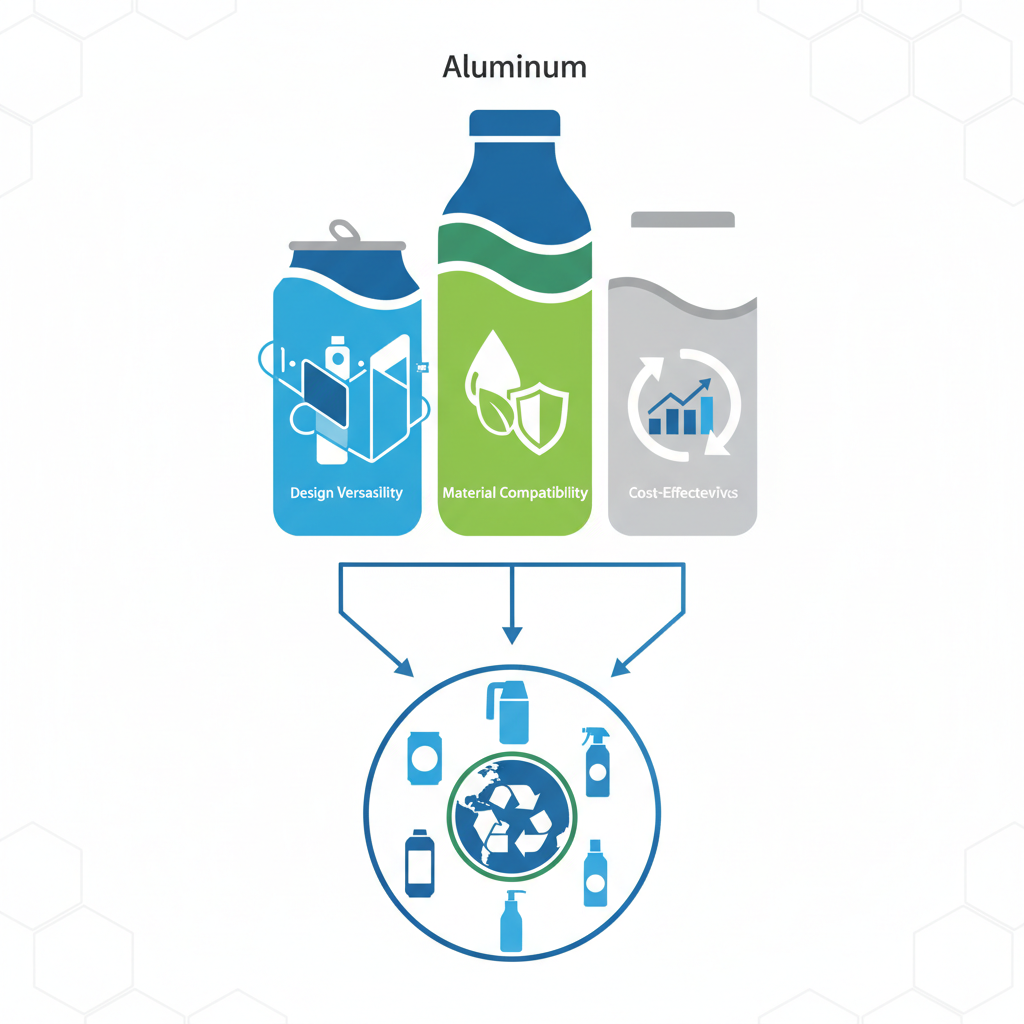
In this article, we will explore the critical factors to consider when selecting aluminum bottle packaging, including design versatility, material compatibility, and cost-effectiveness. By delving into these key aspects, businesses can make informed decisions that not only resonate with their brand values but also meet the evolving expectations of their customers.
Understanding the Benefits of Aluminum Bottle Packaging
Aluminum bottle packaging has gained significant traction in various industries, particularly in the beverage sector, due to its unique benefits. Unlike standard plastic containers, aluminum bottles are lightweight and have a sleek design, making them appealing to consumers, especially among athletes and fitness enthusiasts. The demand for quality aluminum packaging continues to rise, supported by a market that has reached over $200 billion in size, with an annual growth rate of 18%, particularly fueled by the food, pharmaceutical, and cosmetics industries.
Tips: When selecting aluminum packaging, consider the bottle's ergonomic design and functionality. A wider mouth can enhance the drinking experience, while a slender body improves grip during physical activities.
Furthermore, the growing popularity of reusable aluminum bottles aligns perfectly with the trend towards sustainability. Consumers are increasingly conscious of their environmental footprint, and aluminum, being infinitely recyclable, taps into this eco-friendly mindset. Therefore, brands can leverage this trend by offering premium aluminum packaging that not only meets consumer preferences but also conveys their commitment to sustainability.
Benefits of Aluminum Bottle Packaging
Evaluating Product Requirements for Ideal Packaging Solutions
When selecting aluminum bottle packaging for your product, the first step is to evaluate its specific requirements. Consider factors such as the nature of the product, its intended use, and any regulatory standards it must meet. For instance, if the product is a beverage, the aluminum's barrier properties against light and air must be assessed to ensure it maintains flavor and quality. Additionally, consider whether the bottle needs to be lightweight for shipping or durable enough for storage and handling.
Next, assessing the target market is crucial for choosing the right aluminum bottle design. Understanding consumer preferences and trends can guide decisions regarding size, shape, and features such as portability or ease of use. If the product appeals to environmentally conscious consumers, opting for recyclable aluminum or designs that emphasize sustainability might enhance marketability. Ultimately, a thorough evaluation of product requirements not only aids in selecting the most suitable packaging but also helps align with consumer expectations, driving brand appeal and effectiveness in the marketplace.
How to Choose the Best Aluminum Bottle Packaging for Your Product - Evaluating Product Requirements for Ideal Packaging Solutions
| Product Type |
Capacity (ml) |
Intended Use |
Seal Type |
Sustainability Rating |
| Water |
500 |
Beverage |
Screw Cap |
High |
| Sports Drink |
750 |
Beverage |
Flip Top |
Medium |
| Juice |
300 |
Beverage |
Screw Cap |
High |
| Perfume |
100 |
Cosmetic |
Spray Cap |
Medium |
| Cooking Oil |
1000 |
Food |
Pour Spout |
Low |
Examining Different Types of Aluminum Bottle Designs
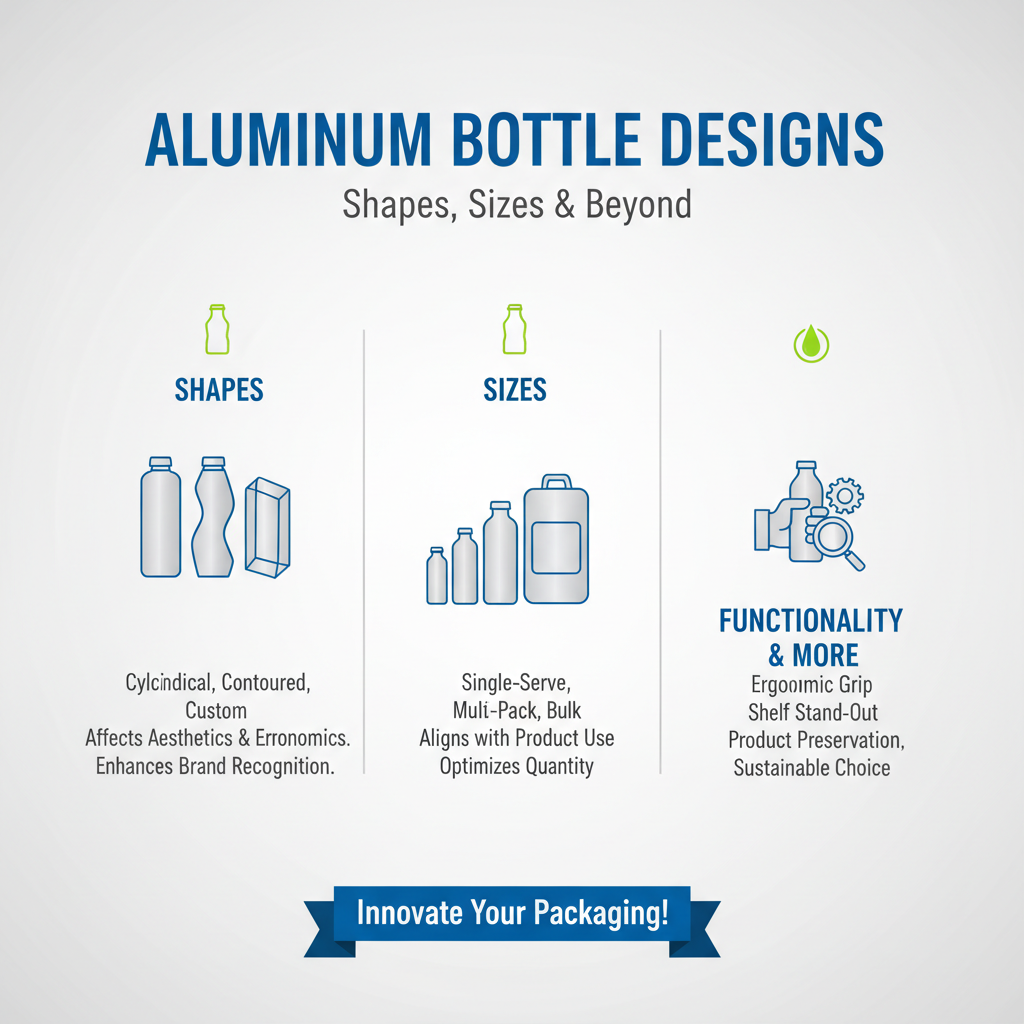
When considering aluminum bottle designs, one must first examine the different shapes and sizes available. From standard cylindrical options to uniquely contoured forms, the design can affect not only aesthetics but also functionality. For products that need to stand out on the shelf, a custom shape might enhance brand recognition while providing an ergonomic grip for consumers. Additionally, the size of the bottle should align with the product's intended use, whether for single servings, multipacks, or larger quantities.
Another key aspect of aluminum bottle design is the type of closure and spout options. These can range from standard screw caps to sport caps or even flip-tops, depending on the audience's convenience preferences. A well-chosen closure can significantly impact user experience, reducing spills and ensuring product freshness. Furthermore, enhancing the bottle with innovative features like insulation for temperature retention or built-in straws can differentiate a product in a crowded market, appealing to active or environmentally conscious consumers. This careful consideration of design elements is crucial for effective product marketing and customer satisfaction.
Assessing Sustainability and Environmental Impact of Aluminum Options
When selecting aluminum bottle packaging for your product, it’s crucial to assess the sustainability and environmental impact of the options available.
 According to the Aluminum Association, aluminum is one of the most sustainable materials, as it is infinitely recyclable without loss of quality. This property means that products made from recycled aluminum can significantly reduce the carbon footprint associated with production. In fact, using recycled aluminum cuts energy consumption by up to 95% compared to producing new aluminum from ore.
Moreover, a report by the International Aluminium Institute highlights that in 2020, the recycling rate for aluminum beverage containers in Europe was around 74%, reflecting a growing trend toward responsible consumption and waste management. This high recycling rate not only minimizes landfill waste but also signals to consumers that brands are committed to sustainable practices. By choosing aluminum packaging, brands can appeal to environmentally conscious customers while also supporting a circular economy. Ultimately, understanding the environmental advantages of aluminum helps companies make informed decisions that align with sustainability goals and brand values.
Selecting the Right Supplier for Aluminum Bottle Production
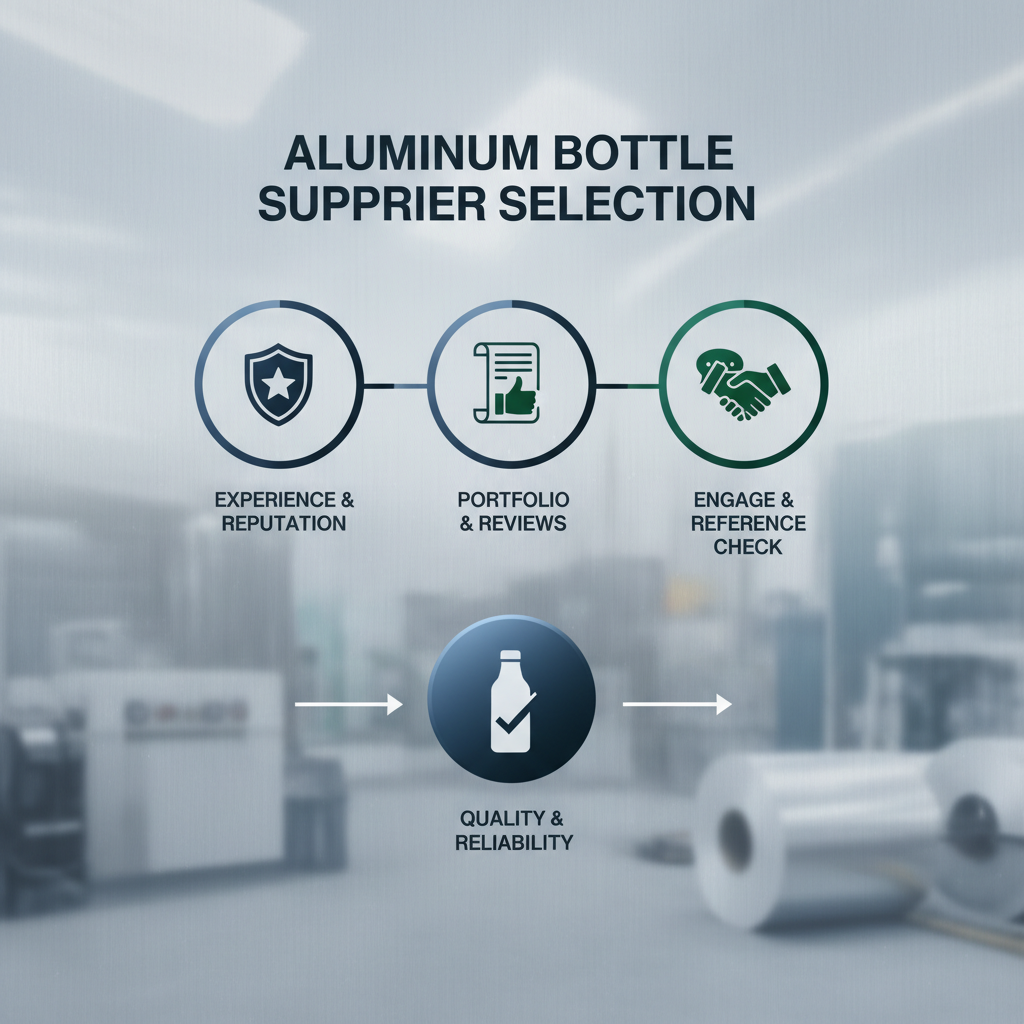
When selecting the right supplier for aluminum bottle production, it is crucial to consider their experience and reputation in the industry. A reputable supplier should possess a robust portfolio showcasing their previous work, along with positive reviews from past clients. This not only demonstrates their capability to deliver high-quality products but also indicates their commitment to customer satisfaction. Engaging in conversations with potential suppliers and asking for references can provide further insights into their reliability and production standards.
Additionally, the supplier's manufacturing processes and technology play a pivotal role in ensuring the quality of aluminum bottles. It’s important to inquire about their production techniques, quality control measures, and compliance with industry standards. Suppliers who invest in advanced technology and sustainable practices are often more equipped to meet both quality demands and environmental regulations. Ultimately, fostering a strong partnership with a trustworthy supplier can significantly influence the success of your product in the marketplace, making it essential to conduct thorough research before making a decision.