How to Choose the Best Beverage Bottles for Your Business?
Selecting the right beverage bottles for your business is crucial. According to industry expert Sarah Thompson, “The right beverage bottles can enhance your brand and ensure customer satisfaction.” In a market filled with choices, understanding the nuances of different materials, designs, and functionalities is essential.
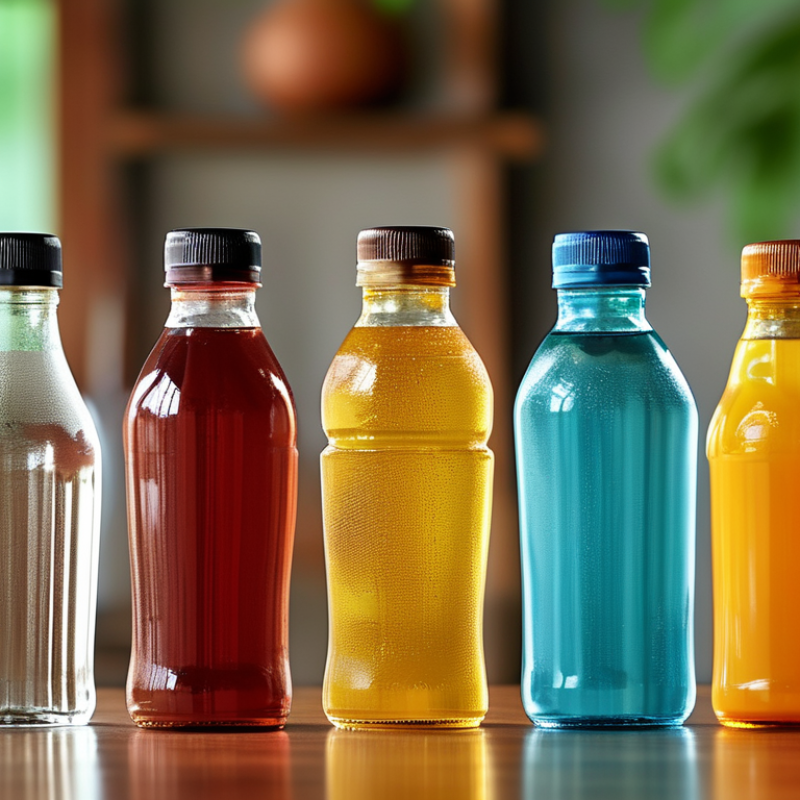
Beverage bottles come in various shapes and sizes. Glass bottles convey elegance, while plastic offers lightweight convenience. However, sustainability is also a growing concern. Many consumers prefer eco-friendly options. A well-chosen bottle not only serves its purpose but also reflects your brand’s values.
It’s easy to overlook details while choosing beverage bottles. Functionality should meet aesthetics. Consider whether the bottle keeps drinks cold, or if it fits in standard cup holders. Flawed design can lead to leaks or breakage. Reflecting on these aspects is vital for long-term success.
Understanding Your Business Needs and Target Audience
When choosing beverage bottles for your business, understanding your target audience is crucial. According to a recent report by the Beverage Marketing Corporation, nearly 50% of consumers prefer sustainable packaging. This insight emphasizes the importance of selecting bottles that not only appeal to eco-conscious customers but also align with your brand's values. A focus on sustainability can enhance brand loyalty and drive customer engagement.
Consider the preferences of your audience. For example, millennials and Gen Z tend to favor products that are easy to carry and reusable. A survey from Statista shows that 70% of younger consumers would pay more for eco-friendly products. However, it's essential to remain flexible. Not all customers prioritize sustainability. Some may focus on price or convenience. Balancing these factors can lead to better product offerings.
Also, examine the functionality of the bottles. Are they suitable for various beverages? Will they maintain temperature effectively? While sleek designs attract attention, practical features often determine consumer choices. Addressing these questions is vital in developing a product range that meets diverse needs. Ignoring feedback from your audience can lead to missed opportunities and potential frustration. Regularly assessing customer preferences helps ensure long-term success in the competitive beverage industry.
Evaluating Material Options for Beverage Bottles
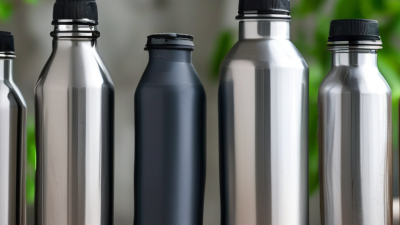
When selecting the right material for beverage bottles, several factors come into play. Glass, plastic, and metal serve different purposes, impacting usability, cost, and environmental concerns. Glass bottles offer a premium feel and are recyclable, but they are heavier and more prone to breakage. Businesses focused on sustainability may favor glass for its endless recyclability. However, transportation costs can rise due to weight.
Plastic bottles, particularly PET, are lightweight and durable, making them a popular choice. They are affordable and convenient, catering well to high-volume production. Yet, concerns about single-use plastics persist. Many consumers are becoming increasingly aware of environmental issues, leading to a push for alternatives. Assessing this trade-off is crucial for brand image.
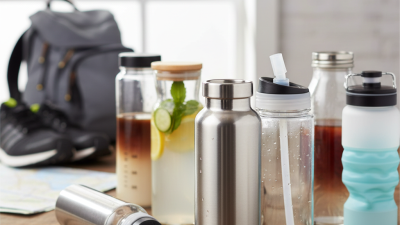
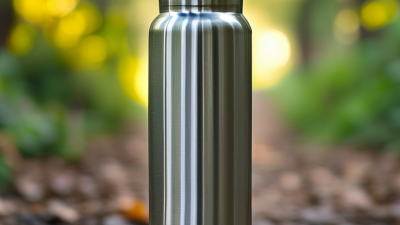
Metal bottles, especially stainless steel, provide excellent insulation and longevity. They can be more expensive but appeal to eco-conscious consumers. They also offer an aesthetic edge, enhancing brand visibility. However, the upfront cost may be a barrier for some businesses. Striking the balance between cost, environmental impact, and consumer preferences is essential in making the right choice. Each material has its strengths and weaknesses, requiring careful evaluation.
Assessing Bottle Sizes and Shapes for Optimal Functionality
When selecting beverage bottles, the size and shape play a critical role in functionality. According to a recent industry report by Beverage Marketing Corporation, 45% of consumers prioritize bottle shape when making a purchasing decision. A well-designed bottle can enhance the drink's appeal while making it easier to handle and store. For instance, angled bottles often provide a better grip, preventing spills.
The ideal bottle size varies based on the beverage type. Research from Mintel shows that consumers favor 500ml bottles for portability, particularly for on-the-go lifestyles. Larger sizes, like 1-liter bottles, are perceived as better value for families. Nevertheless, the choice must resonate with the target market. A shiny, large bottle may attract attention but could lead to wasted product if not consumed quickly, raising concerns about sustainability and product freshness.
Moreover, the material of the bottle also influences consumer behavior. Glass and BPA-free plastics are preferred due to health concerns. A survey noted that 60% of consumers are more likely to choose a drink in a glass bottle. Still, cost factors can't be ignored. Businesses need to balance quality and affordability. It's vital to evaluate how well the selected materials and shapes align with branding and consumer preferences.
Choosing the Right Beverage Bottle Sizes
Exploring Customization and Branding Opportunities
When selecting beverage bottles for your business, customization and branding are crucial aspects. According to a recent report from Smithers Pira, the global market for customized packaging has reached $350 billion. Consumers increasingly seek products that reflect their identity. Customized beverage bottles can significantly enhance brand visibility and customer loyalty. Engaging designs can lead to a 20% increase in repeat purchases.
Quality matters as well. A study by Mintel indicates that 76% of consumers prefer products in well-designed, durable bottles. This trend suggests that investing in high-quality materials pays off. Businesses can also leverage digital printing for customization. It allows for low minimum orders and intricate designs. This flexibility aids brands in creating unique labels that resonate with their audience. However, companies must continuously evaluate how these branding strategies affect consumer perception and behavior.
Sustainability is another layer to consider. The market for eco-friendly packaging is expected to grow by 5.4% annually through 2027. Businesses that prioritize environmentally friendly materials can appeal to conscious consumers. Yet, it is essential to reflect on whether all sustainable options meet functionality needs. Balancing aesthetics, durability, and sustainability requires a thoughtful approach.
Analyzing Sustainable Practices in Beverage Bottle Selection
When selecting beverage bottles, sustainability is a crucial factor. Many businesses today face pressure to adopt eco-friendly practices. The choice of materials directly affects environmental impact. Glass, aluminum, and recycled plastics are popular options. Each has its pros and cons. Glass bottles are highly recyclable but can be heavy. They also break easily, posing safety risks. Aluminum is lightweight and can be recycled indefinitely. However, the mining process can be damaging to ecosystems.
Choosing recycled plastics offers a balance. They reduce waste and require less energy to produce than new plastics. Yet, they can contain harmful chemicals that leach into beverages. It's important to research suppliers. Look for certifications that guarantee minimal environmental impact. Transparency in sourcing is key. Not all companies uphold sustainable practices, even when claiming to.
Customers increasingly prefer brands that prioritize sustainability. It's essential for businesses to align their choices with these values. Engage your audience with clear messaging about your commitment to eco-friendly practices. Contemplate the long-term effects of your choices. The right beverage bottle can enhance both brand reputation and customer loyalty.