2026 How to Choose the Best Aluminum Bottle Packaging Solutions?
In the rapidly evolving packaging industry, aluminum bottle packaging stands out for its versatility and eco-friendliness. According to industry expert Dr. Emily Parker, "Choosing the right aluminum bottle packaging can significantly influence product perception." This quote emphasizes the importance of making informed decisions in this sector.
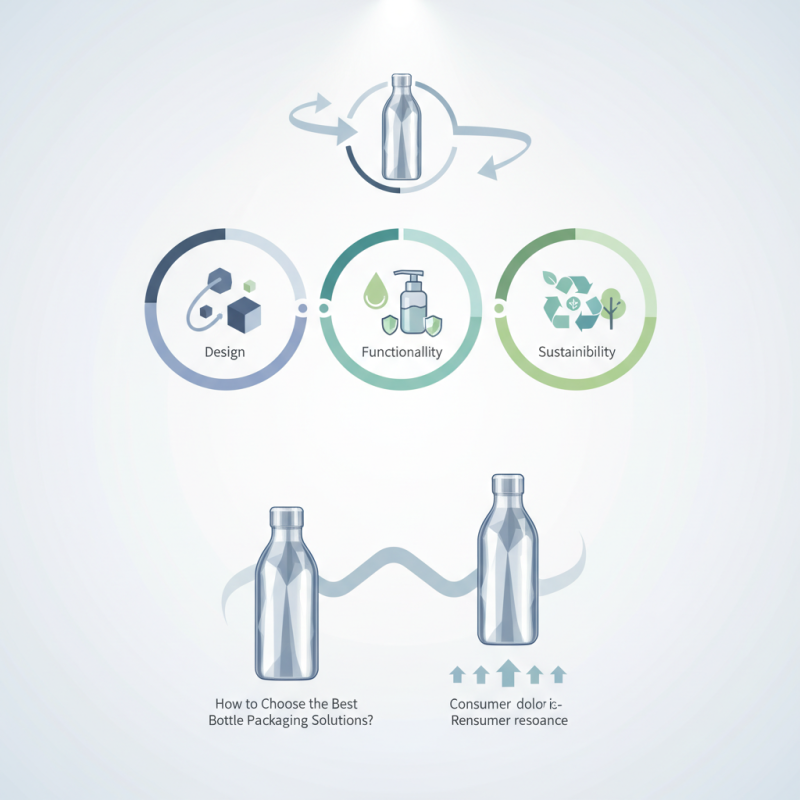
The aluminum bottle packaging landscape is not one-size-fits-all. Brands must consider various factors, including design, functionality, and sustainability. For instance, a sleek design may appeal to younger consumers, while sturdy bottles are essential for heavy-duty products. Each aspect requires thoughtful evaluation to create the best packaging solution.
However, it’s easy to overlook essential details. Many brands rush through the selection process, leading to suboptimal choices. Reflecting on these decisions can help avoid pitfalls. A well-rounded approach allows companies to produce aluminum bottle packaging that not only meets their needs but also resonates with consumers on multiple levels.
Understanding Aluminum Bottle Packaging and Its Benefits
Aluminum bottle packaging has gained popularity in various industries. It offers numerous benefits, making it a preferred choice for many products. One significant advantage is its lightweight nature. Aluminum bottles reduce transportation costs and lower carbon emissions. This makes them an eco-friendly option.
Another key benefit is the excellent barrier properties of aluminum. It preserves the quality of beverages and other liquids. Unlike glass, aluminum is less prone to breakage, ensuring safety during transport. Many consumers appreciate the sleek design of aluminum bottles. They often come with customizable features that enhance brand appeal.
However, some challenges exist. Not all aluminum bottles are created equally. The quality can vary based on the manufacturing process. It’s important to carefully vet suppliers. In some cases, the internal coating may affect product taste. Brands should conduct thorough tests before launching their products. It's essential to balance aesthetics and functionality when choosing packaging solutions. Make decisions that cater to both the product and consumer needs.
Key Factors to Consider When Choosing Aluminum Bottle Packaging
When selecting aluminum bottle packaging, several key factors must be considered. The design is crucial. A well-designed bottle can enhance brand visibility. According to a recent study, 70% of consumers make quick judgments based on packaging alone. The graphics, colors, and shape play significant roles in attracting attention.
Another important factor is sustainability. Aluminum bottles are 100% recyclable. In fact, the recycling process uses 95% less energy than producing new aluminum. However, many consumers are still unaware of this advantage. Companies should enhance their messaging around sustainability. Leaving consumers uninformed might lead to missed opportunities.
Cost is also an essential consideration. While aluminum bottles can be more expensive than plastic, their durability and aesthetic appeal offer long-term benefits. A report by Packaging Strategies indicates that the market for aluminum bottles is expected to grow by 5% annually through 2026. Companies must weigh initial costs against potential long-term savings and market growth. Keeping packaging affordable is vital but should not compromise quality.
Key Factors to Consider When Choosing Aluminum Bottle Packaging
Types of Aluminum Bottle Designs and Their Uses
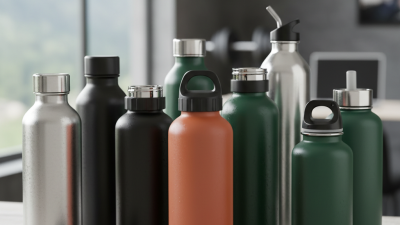
Aluminum bottles come in various designs, each serving different purposes. Understanding these types can help businesses choose the right packaging. Common designs include standard, sports, and custom shapes. Each design has unique benefits.
Standard aluminum bottles are great for beverages. They are lightweight and easy to carry. Sports designs often feature a flip-top lid, making them ideal for active users. Custom shapes, while less common, can attract attention on the shelf.
**Tip:** Consider your target audience when selecting a bottle type. Do they prefer convenience or style? Reflect on your product's image, too. This will guide your packaging choice effectively.
Unique textures and finishes can enhance the user experience. Matte finishes or embossed designs can make bottles more appealing. However, not all finishes are ideal for every product. Test different options to see what works best.
**Tip:** Always gather feedback before finalizing your designs. Customers may have insights that you overlooked. Their preferences matter.
2026 How to Choose the Best Aluminum Bottle Packaging Solutions? - Types of Aluminum Bottle Designs and Their Uses
| Bottle Type |
Description |
Common Uses |
Advantages |
| Standard Aluminum Bottles |
Straight wall design, often combined with a screw cap. |
Beverages, personal care products. |
Lightweight, recyclable, versatile designs. |
| Aluminum Sports Bottles |
Specific designs for easy drinking during sports. |
Sports drinks, water. |
Durable, insulated options available. |
| Aluminum Cans |
Typically cylindrical with a pull-tab or can top. |
Carbonated beverages, alcoholic drinks. |
Easy to transport, stackable, effective for preserving freshness. |
| Aluminum Spray Bottles |
Designed for liquid dispersal as a mist or spray. |
Personal care products, cleaning agents. |
Even distribution, adjustable spray settings. |
| Travel Size Aluminum Bottles |
Compact and lightweight for on-the-go use. |
Travel toiletries, small amounts of beverages. |
Convenient for travel, fits easily in bags. |
Sustainability and Recyclability of Aluminum Bottle Packaging
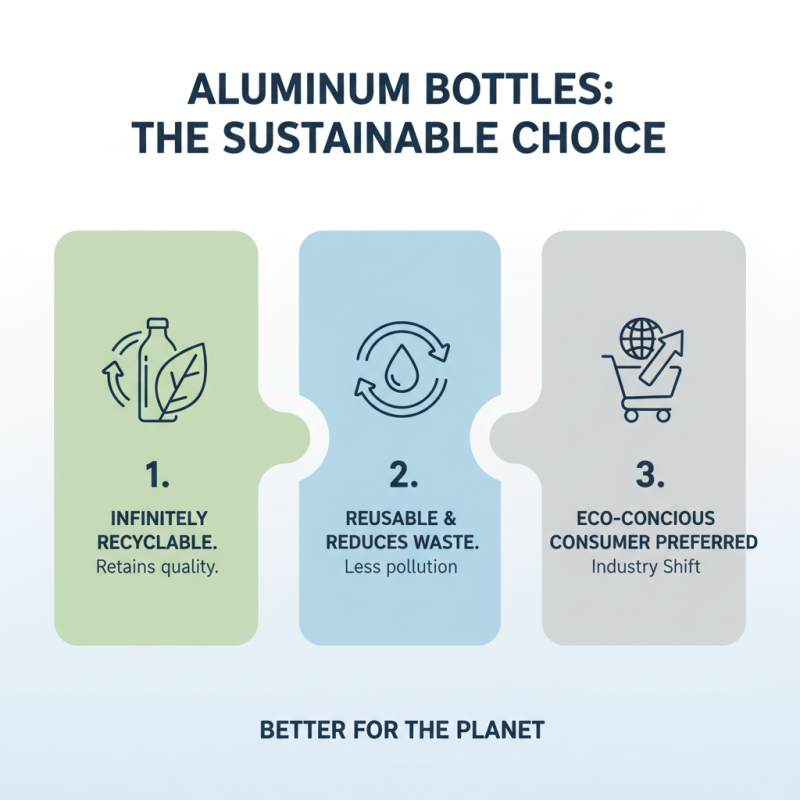
Aluminum bottle packaging is becoming increasingly popular due to its sustainability. These bottles are recyclable and reusable, which greatly reduces waste. Unlike plastic, aluminum can be recycled indefinitely without losing quality. This makes it a preferred choice for eco-conscious consumers. Many industries are shifting their focus towards using aluminum, emphasizing the need for sustainable materials.
However, not all aluminum bottles are created equal. The sourcing of the aluminum itself can raise questions about environmental impact. Mining processes can be damaging to the local ecosystem. Companies must consider their entire supply chain. It's essential to choose bottles that use responsibly sourced materials. Additionally, the recycling process needs attention. Are local facilities equipped to handle aluminum recycling?
The shift to aluminum should not overlook these concerns. While aluminum offers key benefits, potential downsides must be addressed. Sustainable practices should extend beyond just the product itself. Everyone is making efforts, but there is still room for improvement. Embracing a comprehensive approach will ensure that aluminum packaging fulfills its promise of sustainability.
Cost Analysis: Budgeting for Aluminum Bottle Packaging Solutions
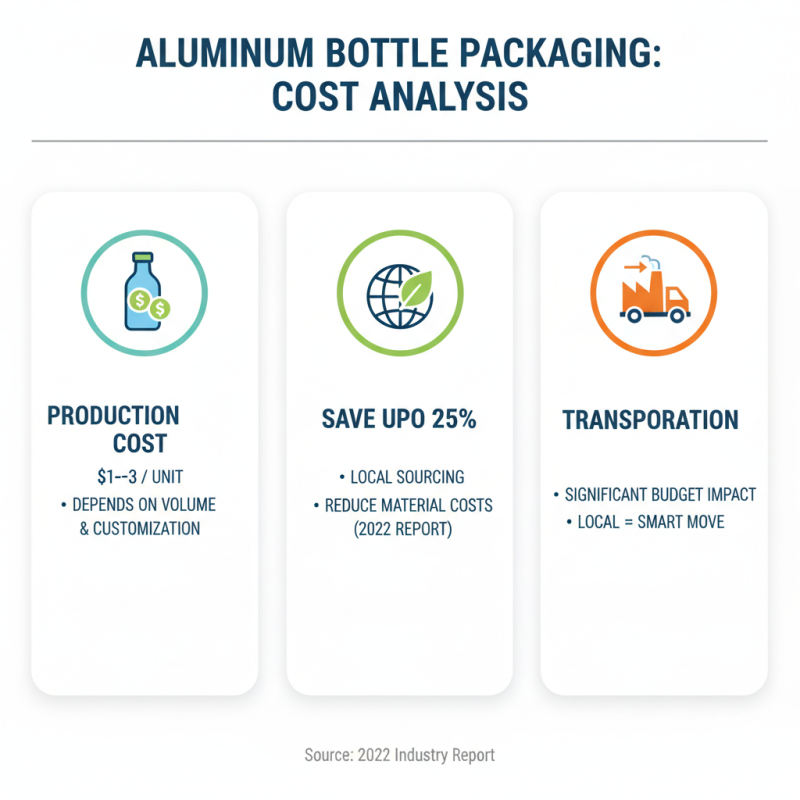
When considering aluminum bottle packaging, cost analysis is crucial. The average cost for aluminum bottle production ranges from $1 to $3 per unit, depending on volume and customization. According to a 2022 industry report, companies can save up to 25% by sourcing materials locally. Transportation costs can significantly impact your budget, so local sourcing is a smart move.
It's essential to evaluate your target market. Demographics influence purchasing power. If appealing to eco-conscious consumers, the greener the packaging, the better. A study showed that 60% of consumers prefer eco-friendly packaging, even if it costs more. Balancing cost and sustainability is key.
Tip: Always seek multiple quotes from suppliers. This helps identify potential cost-saving opportunities. Additionally, consider investing in smaller batch orders initially. Testing the market before committing to large volumes reduces financial risk. Remember, not every dollar spent guarantees quality. Invest wisely.