China Best WPC Decking Flooring Trends for Global Buyers?
As global buyers seek innovative solutions for outdoor spaces, Wpc Decking Flooring emerges as a viable option. Wood-plastic composites combine the aesthetics of wood with the durability of plastic. This trendy material promises longevity and low maintenance, making it attractive to homeowners and businesses alike.
In the Chinese market, numerous manufacturers have stepped up to meet this growing demand. They offer a diverse range of designs and colors to cater to various preferences. Some producers emphasize eco-friendliness, using recycled materials in their products. However, buyers must navigate this evolving landscape carefully. Not all products meet the highest quality standards.
It's essential for consumers to research and verify suppliers' claims. While the trends indicate a shift towards sustainability and quality, this industry’s rapid growth poses challenges as well. Selecting the right WPC decking flooring requires discernment and evaluation of various options available.
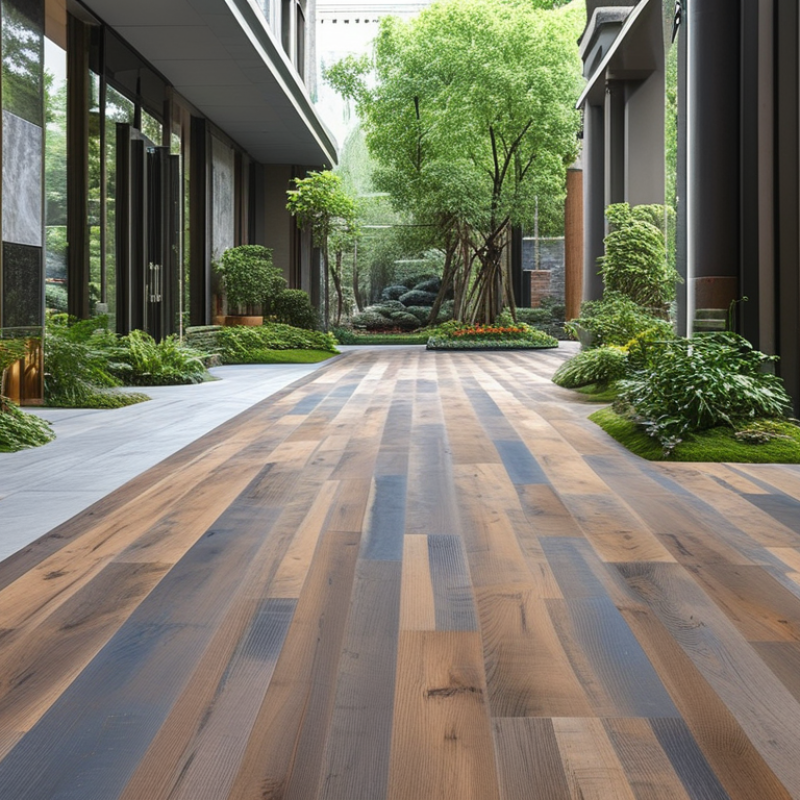
Overview of WPC Decking: Definition and Composition
Wood-plastic composite (WPC) decking has emerged as a popular choice for outdoor flooring. This material combines wood fibers with thermoplastics to create a durable and weather-resistant surface. WPC decking offers a unique alternative to traditional wood, providing versatility in design and application.
According to a recent industry report, the global WPC decking market is projected to reach approximately $7 billion by 2027, growing at a CAGR of 10% from 2022. This growth reflects increased demand from homeowners and builders seeking sustainable flooring options. Moreover, these composites often require less maintenance than natural wood, reducing long-term costs for buyers.
**Tip:** When selecting WPC decking, examine its composition. Quality materials will enhance longevity and performance. It's crucial to consider the type of plastic and wood used, as these directly impact durability.
Though WPC decking boasts many advantages, not all products perform equally. Some lower-quality options may warp or fade over time. Consumers should research suppliers and product specifications to avoid pitfalls associated with cheap alternatives. Investing in higher-quality WPC will ensure better performance and satisfaction.
Current Trends in WPC Decking Flooring in China
WPC decking flooring in China is experiencing significant growth, driven by a rise in eco-friendly construction needs. According to a report by Research and Markets, the WPC decking market is projected to grow at a CAGR of 10.6% from 2021 to 2028. This reflects a growing preference for sustainable materials among global buyers.
Currently, there is a noticeable shift towards natural appearances in WPC products. Many buyers prefer options that mimic the look of wood while providing enhanced durability. The report also highlights that nearly 60% of consumers are prioritizing aesthetics alongside functionality. This trend indicates a demand for high-quality finishes and varied color choices in the decking materials.
While the market is booming, manufacturers face challenges. Quality control can sometimes lag, leading to variations in product performance. Moreover, navigating export regulations poses difficulties for some suppliers. This can cause delays and affect buyer confidence. It's essential for global buyers to conduct thorough research. They need to ensure reliability from manufacturers, especially when considering long-term investments in outdoor spaces.
Benefits of Using WPC Decking for Global Buyers
WPC decking, or wood-plastic composite decking, has gained immense popularity globally. This is largely due to its durability and low maintenance requirements. Reports indicate that the WPC decking market is expected to grow at a CAGR of 12.5% from 2023 to 2030. This growth is driven by increasing demand for eco-friendly building materials.
One significant benefit of WPC decking is its resistance to moisture and pests. Unlike traditional wood, WPC does not warp or rot, making it ideal for outdoor environments. According to industry data, WPC decking can last over 25 years with proper care. This longevity reduces the need for replacements, saving consumers time and money.
Additionally, WPC decking offers aesthetic versatility. It comes in various colors and finishes, allowing buyers to achieve their desired look without sacrificing performance. However, some products may fade over time under direct sunlight, which requires careful selection. As the demand for sustainable and attractive outdoor solutions rises, WPC decking remains a strong contender for global buyers.
China Best WPC Decking Flooring Trends for Global Buyers? - Benefits of Using WPC Decking for Global Buyers
| Feature | Description | Benefits | Market Trends |
| Durability | WPC decking is resistant to rotting, splintering, and warping. | Long-lasting with minimal maintenance required. | Increasing demand for low-maintenance outdoor solutions. |
| Eco-Friendly | Made from recycled wood fibers and plastic composites. | Reduces environmental impact compared to traditional wood. | Growing trend towards sustainable building materials. |
| Aesthetic Variety | Available in various colors and finishes to mimic natural wood. | Enhances outdoor aesthetics without sacrificing quality. | Customizable options are driving popularity in the market. |
| Easy Installation | Lightweight and can be easily cut for installation. | Saves time and labor costs during installation. | DIY consumer market is on the rise, favoring simpler solutions. |
| Weather Resistance | Stands up to varying weather conditions without fading. | Maintains appearance and integrity over time. | Popular in regions with extreme weather changes. |
Comparison of WPC Decking with Traditional Wood and Other Materials
When comparing WPC decking to traditional wood, several factors come to light. WPC, or wood-plastic composite, blends plastic with wood fibers. This combination yields a material that resists moisture, which makes it ideal for outdoor spaces. Unlike wooden decks, WPC does not warp or rot easily. This is a significant advantage in humid climates where wood can deteriorate quickly.
Furthermore, WPC decking offers low maintenance compared to its wooden counterparts. It does not require staining or sealing, which can be time-consuming. Cleaning is generally a simple process, often needing just soap and water. Many feel relieved at the minimal upkeep. However, WPC decking’s lifespan can still fall short of well-maintained hardwoods.
Another significant aspect is the aesthetic. Some people appreciate the natural look of wood, while others prefer the uniformity of WPC. Yet, WPC continues to improve in appearance, mimicking wood textures effectively. However, not everyone is impressed. Some users find WPC less visually appealing compared to real wood. This leads to ongoing debates among homeowners and designers.
Future Prospects for WPC Decking in the Global Market
The global market for Wood Plastic Composite (WPC) decking is evolving rapidly. Manufacturers are focusing on sustainable materials. Innovation drives the development of more durable and eco-friendly products. Consumers are increasingly aware of their choices. They seek long-lasting solutions that reduce environmental impact. This trend is shaping future designs.
In many regions, WPC decking is gaining traction due to its versatility. It offers various colors and textures. Buyers appreciate materials that mimic natural wood but require less maintenance. However, some challenges remain. Cost can be a barrier for some consumers. Education on the benefits of WPC materials is essential. There is also a need for improved accessibility in certain markets.
Future prospects look promising, but continuous improvements are vital. Companies must enhance their production methods. Focus on recycling and reducing waste will be critical. Keeping up with consumer demands is crucial for success. Adapting to emerging trends will require ongoing research and development. Ultimately, understanding the market and consumer preferences is key for growth.