How to Buy Carbon Steel Pipe for Your Next Project?
When embarking on a new construction project, selecting the right materials is crucial. One material that stands out is carbon steel pipe. Known for its strength and durability, carbon steel pipe offers numerous benefits for various applications. However, the buying process can be challenging.
Understanding the specifications and grades of carbon steel pipe is vital. Each project has unique requirements, which necessitate informed choices. A reliable supplier can guide you. Quality assurance is essential, and it's wise to research before making a purchase. This ensures you get what your project demands.
Price and availability often influence decisions but shouldn’t be the only factors. Analyze your project needs thoroughly. Choosing the right carbon steel pipe can significantly affect your project’s success. Take your time to reflect on different options and avoid overlooking critical details. Consider future implications of your material choices as well.
Understanding Carbon Steel Pipe Specifications and Types
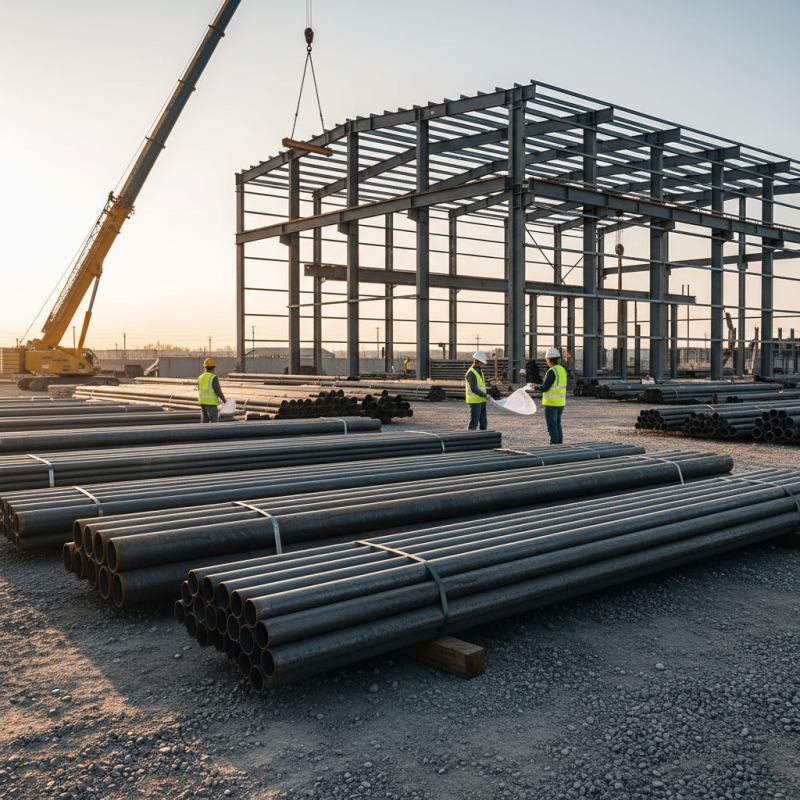
When considering carbon steel pipes for your project, understanding their specifications and types is crucial. Carbon steel pipes are categorized mainly by their carbon content, which affects their strength and ductility. Low-carbon steels are malleable and easy to weld but might not support high pressure. On the other hand, high-carbon steels are ideal for applications requiring sturdiness but can be challenging to work with.
Another important aspect is the measurement of pipe specifications. They are usually designated by their nominal pipe size, wall thickness, and schedule rating. These specifications define the pipe's capacity to handle pressure and fluid flow. Additionally, the various manufacturing processes, such as seamless or welded, influence the pipe’s performance in different conditions. It’s essential to evaluate these characteristics and ensure that they align with your project requirements, as miscalculations can lead to failures.
Purchasing the right carbon steel pipe often requires more than taking basic measurements. Engage with suppliers who understand the materials. Ask questions about specifications and potential use cases. It can be tempting to rush into a purchase, but an informed decision is greater than one based purely on availability or cost. Proper knowledge can prevent costly mistakes later on. Consider all factors, and be open to learning from your choices.
How to Buy Carbon Steel Pipe for Your Next Project?
| Pipe Type | Specification | Diameter (inches) | Wall Thickness (inches) | Length (feet) | Weight (lbs/ft) |
| Carbon Steel Pipe | ASTM A53 | 2 | 0.154 | 20 | 14.4 |
| Carbon Steel Pipe | ASTM A106 | 3 | 0.216 | 20 | 23.4 |
| Carbon Steel Pipe | ASTM A500 | 4 | 0.237 | 20 | 29.4 |
| Carbon Steel Pipe | ASTM A252 | 6 | 0.280 | 20 | 37.2 |
Identifying the Right Size and Diameter for Your Project Needs
When selecting carbon steel pipe, size and diameter are crucial factors. The size determines the amount of fluid that can flow through. For instance, a report from the American Society of Mechanical Engineers indicates that a properly sized pipe can enhance fluid transport efficiency by up to 30%. Choosing the right diameter should consider the project's specific requirements, including flow rate and type of fluid.
Professionals often rely on nominal pipe sizes (NPS) to standardize measurements. A common oversight is not accounting for wall thickness, which affects the internal diameter. Miscalculating this can result in inadequate pressure handling. In practice, many engineers have found that using a wrong diameter can lead to poor system performance and increase the risk of failures. Focusing on the precise internal diameter and wall thickness is essential for reliable outcomes.
It's also worth noting that environmental factors can influence the pipe's performance. For example, temperature fluctuations can cause expanding and contracting. This may affect the pipe's integrity if not accounted for during the selection process. Reports show that about 15% of industrial failures are due to improper sizing and environmental neglect. Being thorough in this stage can reduce future costs and repairs.
Evaluating Quality Standards and Certifications for Carbon Steel Pipe
When selecting carbon steel pipe, assessing quality standards and certifications is crucial. Carbon steel pipes must meet specific industry regulations. Organizations like ASTM and API provide guidelines. According to a recent report by the American Institute of Steel Construction, carbon steel pipes should adhere to certain strength and durability specifications.
Certifications such as ISO 9001 ensure manufacturers maintain consistent quality. Quality management systems reduce defects and increase reliability. For instance, a study by the National Institute of Standards and Technology showed that certified products have a 20% lower failure rate. It's essential to look for these certifications when buying.
While evaluating options, it's crucial to verify the manufacturing process. Not all processes yield the same quality. Carbon content and heat treatment affect performance. A pipe with poor testing may lead to project delays. Make sure to request mill test reports before finalizing your purchase. These documents provide insight into the material's properties and compliance with required standards. Inadequate checks can lead to substantial losses and safety risks.
Choosing Between Different Suppliers: Price, Quality, and Service
When choosing a supplier for carbon steel pipes, consider price, quality, and service. Each supplier has its strengths and weaknesses. Price affects your budget, but don’t let it be the only factor. Low prices often mean compromises in quality.
Quality is critical. A durable pipe ensures your project's success. Always ask for certifications or quality assurance documents. This helps verify the pipe meets industry standards. Don’t hesitate to ask for samples. You can't overlook the importance of testing before purchase.
Tips: Compare multiple suppliers. This will give you a clearer picture of market rates. Reach out to previous customers for their experiences. Inspect the customer service offered. Responsive suppliers can make project management smoother. It’s easy to choose the cheapest option, but reflect on the long-term reliability of the materials. Make decisions that align with your project needs.
Carbon Steel Pipe Supplier Comparison
Strategies for Cost-Effective Purchasing and Bulk Orders
When purchasing carbon steel pipe, understanding bulk buying strategies can significantly reduce costs. Industry reports indicate that buying in bulk can save up to 20-30% compared to smaller orders. However, this requires careful planning and storage considerations. Ensure that your storage facility can accommodate large volumes without compromising material quality. Space and conditions matter. Moisture can degrade steel over time.
Consider the fluctuations in steel prices. According to the World Steel Association, price volatility impacts budgeting. In 2020, prices surged by 40% due to supply chain disruptions. Timing your purchase can yield significant savings. Always evaluate the market trends before committing to a bulk order. Establish relationships with suppliers. Reliable suppliers often provide insights about upcoming price changes.
Analyze your project's needs thoroughly. Avoid overbuying just to save costs. Having excess materials can lead to waste and financial strain. It’s essential to match your order with realistic project timelines. Sometimes, it may be wiser to negotiate smaller, frequent orders rather than pushing for a one-time bulk purchase. This strategy keeps material fresh and reduces storage risks while maintaining price efficiency.