What is the Best Safety Helmet for Construction Workers?
When it comes to construction sites, safety is paramount. One essential piece of equipment is the safety helmet. “A helmet is the first line of defense in head protection,” says John Martinez, a leading expert in Safety Helmet Construction. His insights highlight the importance of choosing the right helmet for various job sites.
Different helmets offer different levels of protection. Some are designed for light-duty tasks, while others are suitable for extreme conditions. Features like ventilation, weight, and adjustability are crucial. It's important for workers to understand the specific risks they face on-site. They should select helmets that meet safety standards applicable to their work.
Despite advancements, many helmets still fall short in comfort and usability. Workers often hesitate to wear them due to discomfort. This raises the question of how to improve design while maintaining safety. Balancing innovation with user experience remains a challenge in the Safety Helmet Construction industry.
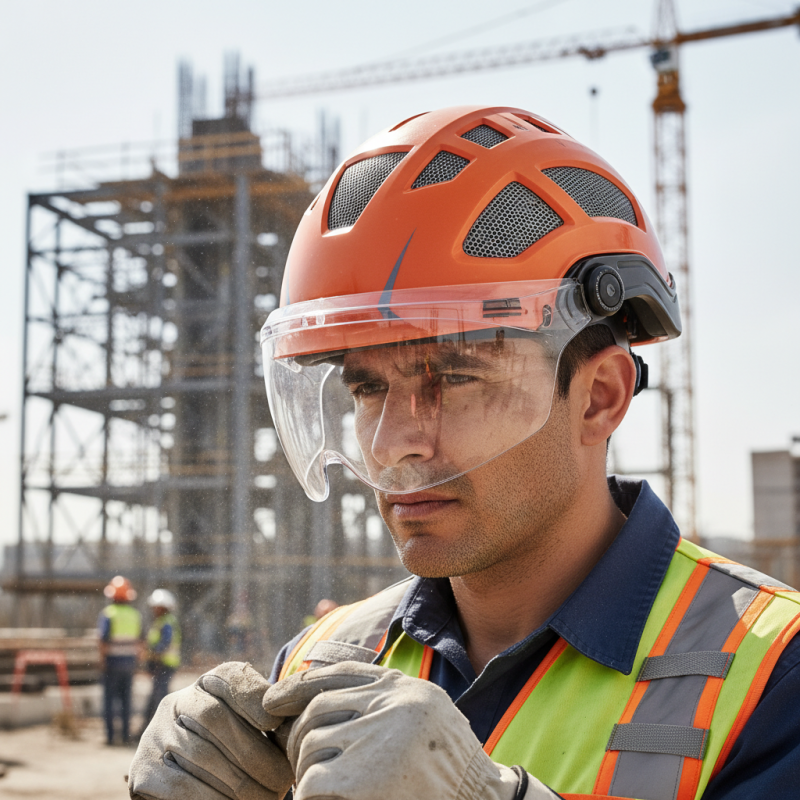
Types of Safety Helmets Used in Construction Industry
In the construction industry, safety helmets are vital. They protect workers from head injuries caused by falling objects or bumps. There are various types available, each serving specific needs.
The most common type is the hard hat. Hard hats meet safety standards and come in different classes. Class G helmets provide general protection. Class E helmets offer electrical protection, ideal for electricians. Class C helmets, while comfortable and lightweight, lack electrical protection. According to the National Institute for Occupational Safety and Health (NIOSH), head injuries account for about 10% of construction fatalities. This highlights the need for appropriate helmet selection.
Tips: Always check for the latest safety ratings. Look for a helmet that fits snugly but comfortably. Regularly inspect for any signs of wear and tear. If the helmet is damaged, replace it immediately.
Another lesser-known type is the bump cap. These are lighter and ideal for indoor use where the risk of injury is lower. However, they do not provide the same level of protection as hard hats. Workers must assess their surroundings and choose helmets wisely. The right helmet not only complies with safety regulations but also promotes a culture of safety on-site.
Key Features to Look for in Construction Safety Helmets
When choosing a safety helmet for construction workers, it's vital to consider key features that enhance protection. According to the U.S. Bureau of Labor Statistics, head injuries account for 10% of construction-related fatalities. This statistic emphasizes the need for robust headgear. Look for helmets that meet the ANSI/ISEA Z89.1 standards, ensuring they provide adequate impact protection. Many modern helmets are designed with hard outer shells and foam liners, offering both durability and comfort.
Ventilation is another crucial feature. Construction sites can be hot, and proper airflow keeps workers cool. Helmets with adjustable vents help maintain comfort during long hours. Weight also matters; a helmet that is too heavy can cause fatigue. Lightweight options are available that still provide substantial protection. Some studies suggest a reduction in head injury risk by 60% when using properly designed helmets.
Lastly, consider the helmet's fit and adjustability. A secure fit reduces the risk of displacement during impacts. Many helmets feature a ratchet adjustment system for a snug fit, accommodating various head sizes. Yet, it's important to note that not all helmets offer these features. Inconsistent quality can lead to disappointment. Assessing the features, comfort, and standards can make a notable difference in safety on the job site.
Comparison of Popular Safety Helmet Brands for Construction Workers
When choosing a safety helmet for construction workers, brand selection plays a crucial role. Industry research indicates that over 50% of head injuries in construction can be mitigated with the right helmet. Popular brands typically utilize materials like polycarbonate and fiberglass, which offer excellent impact resistance. However, while many helmets pass standard safety tests, variations in comfort and weight can affect wearing times, impacting a worker’s focus.
One important factor is the fit. A helmet that does not fit properly can compromise protection. Studies show that 70% of workers may not wear helmets consistently if they are uncomfortable. It is vital to assess options based on head size and helmet weight. Lightweight designs are popular among workers who spend long hours on-site.
Tips: Always consider adjustable harnesses for a customizable fit. Check if the helmet offers vents for airflow, especially in hot conditions. Not all models are rated for the same level of protection; review the specifications to ensure compliance with safety standards. Remember, a well-chosen helmet not only protects but enhances productivity and morale on the job site.
Safety Standards and Certifications for Construction Helmets
When it comes to safety helmets for construction workers, understanding safety standards is critical. Construction helmets must meet specific safety certifications to ensure adequate protection. The most recognized standards include ANSI and EN regulations. These certifications indicate that a helmet has undergone rigorous testing. However, not all helmets on the market meet these standards. This can lead to confusion for workers trying to choose the best head protection.
It's essential to look for helmets that have been tested and certified. A helmet might look sturdy, but without certification, it may not provide the expected safety. Some workers may skip this step, thinking all helmets are safe. This is a risky approach. Additionally, helmets come in various styles, such as hard hats or bump caps. Each type has its specific use cases.
Workers should also consider comfort and fit when selecting a helmet. A poorly fitted helmet may not offer adequate protection. Comfort can sometimes be overlooked, but it is vital for long shifts. It's essential to take the time to find a helmet that meets both safety regulations and personal comfort needs. This balance can significantly enhance the overall safety experience on the job site.
What is the Best Safety Helmet for Construction Workers? - Safety Standards and Certifications for Construction Helmets
| Helmet Model | Weight | Material | Certification | Impact Resistance | Electrical Insulation |
| Classic Hard Hat | 350g | Polycarbonate | ANSI Z89.1 | Type I, Class E | Yes |
| Lightweight Safety Helmet | 280g | ABS Plastic | EN 397 | Type I, Class C | No |
| Ventilated Safety Helmet | 360g | Fiberglass | CSA Z94.1 | Type II, Class E | Yes |
| Full Brim Safety Helmet | 400g | High-Density Polyethylene | ANSI Z89.1 | Type I, Class G | Yes |
| Half Shell Safety Helmet | 360g | Polycarbonate | EN 12492 | Type I, Class E | No |
Tips for Proper Care and Maintenance of Safety Helmets
Safety helmets are essential for construction workers. Proper care and maintenance can significantly extend their lifespan. Regularly inspecting your helmet is crucial. Look for cracks, dents, or worn-out components. Any damage can compromise safety.
Cleaning your helmet is equally important. Use mild soap and water to wash it. Avoid harsh chemicals that can weaken the materials. After washing, dry it with a soft cloth. Never expose your helmet to extreme heat or direct sunlight for extended periods. This could warp the shape and degrade the material.
Storing your helmet properly also matters. Keep it in a cool, dry place. Avoid placing heavy items on top of it. This can lead to deformation over time. Remember, a reliable helmet is only as good as its condition. Regular maintenance helps ensure it performs effectively when you need it most.