What is the Best Ltcc Production Line for Global Buyers?
In the rapidly evolving electronics market, selecting the right Ltcc Production Line is crucial for global buyers. The importance of choosing a quality production line cannot be overstated. It directly affects product reliability and performance. Many manufacturers promise efficiency and cost-effectiveness, but not all deliver on these claims.
Buyers should consider the specific features of Ltcc Production Lines. These features greatly impact production speed and quality. It is essential to assess the level of automation, scalability, and ease of maintenance. Some lines may seem appealing initially but fail to meet long-term production needs. A thorough evaluation can reveal underlying issues that may not be immediately apparent.
Additionally, it’s important to consider the support offered by manufacturers. Their expertise can guide buyers through the complexities of installation and operation. A reliable company can make a difference. Investing time in research helps ensure that the chosen Ltcc Production Line aligns with production goals. This is a significant decision that requires careful thought and consideration.
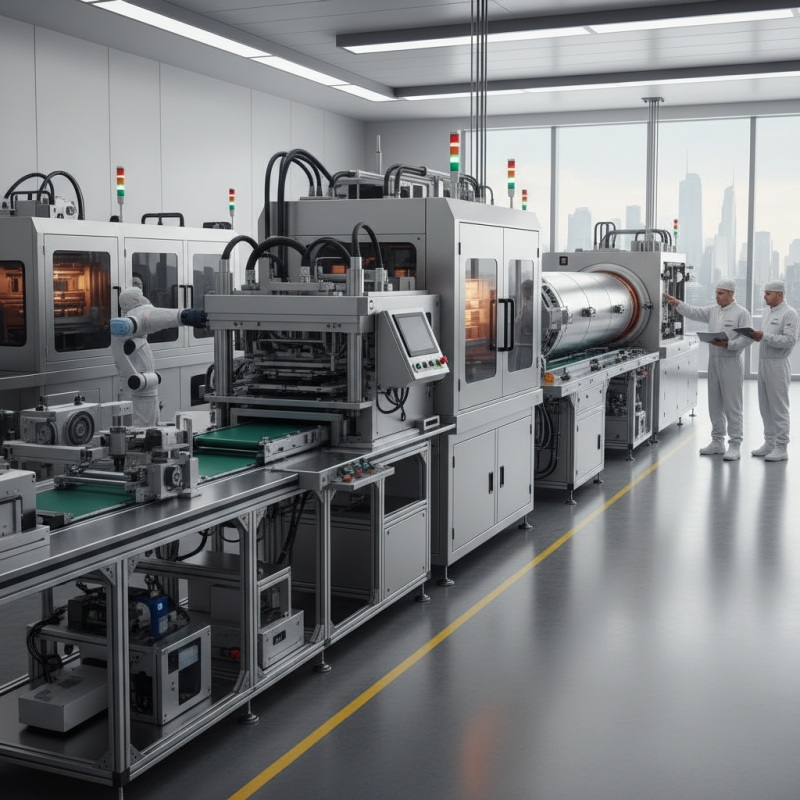
Best Practices for Selecting an LTCC Production Line
When selecting an LTCC production line, buyers need to consider multiple factors. Industry reports indicate that the most effective lines often include features such as high precision, flexibility, and compatibility with various applications. According to a recent market analysis, approximately 40% of manufacturers cite flexibility as a critical aspect. Such adaptability allows for the efficient production of different LTCC components.
Moreover, thorough research into the technology's efficiency can lead to better investment decisions. Notably, a study by the International Journal of Electronics highlighted a potential productivity increase of up to 30% when using modern equipment. However, not all systems reach that benchmark. Some older models still in use often lag in performance, raising concerns about wasted resources and the need for upgrades.
Additionally, evaluating supplier reliability is essential for sustained success. Data from the Global Manufacturing Report suggests that 25% of firms experience delays in delivery and quality issues. This can undermine production timelines. Therefore, buyers should prioritize partnerships with suppliers known for their robust support systems. Ultimately, reflection on these elements can help in making informed choices in the complex landscape of LTCC manufacturing.
Key Features to Consider in LTCC Production Lines
When selecting the best LTCC production line, several key features are essential for global buyers. These lines are increasingly popular due to their versatility in producing multilayer circuit boards. A robust LTCC line should have high precision in screen printing. This ensures that each layer is accurately aligned, which directly affects the overall performance of the final product.
The inclusion of advanced sintering technologies is another crucial aspect. Proper sintering affects the density and reliability of LTCC materials. Look for systems that offer controlled environments for sintering processes. This can prevent defects and improve product quality.
Tips: Pay attention to the automation level of the production line. Automated systems can significantly reduce labor costs and improve efficiency. Don't overlook the importance of a flexible setup. This allows for easy adjustments to accommodate various designs and sizes. Lastly, ensure that customer support is reliable. This can save time and money in production.
A consideration for the maintenance of the line is equally important. Regular maintenance protocols should be established, even if the line appears to be running smoothly. Ignoring these can lead to unexpected downtimes. Buyers must weigh these factors carefully.
What is the Best LTCC Production Line for Global Buyers? - Key Features to Consider in LTCC Production Lines
| Feature | Description | Importance Level |
| Material Compatibility | Support for various LTCC materials used in multilayer applications | High |
| Production Speed | Rate of production to meet global demand efficiently | High |
| Automation Level | Degree of automation to reduce labor costs and improve consistency | Medium |
| Flexibility | Ability to switch between different products and specifications | Medium |
| Energy Efficiency | Minimizing energy consumption during the production process | High |
| Size and Footprint | Space requirements for installation and operation | Medium |
| Cost of Ownership | Initial investment and ongoing maintenance costs | High |
| Customer Support | Availability and quality of support post-purchase | High |
Comparative Analysis of Global LTCC Manufacturing Equipment
In the realm of LTCC manufacturing, choosing the right production line is critical for global buyers. LTCC, or Low-Temperature Co-fired Ceramics, is known for its versatility in electronics. It finds applications in RF filters, capacitors, and other critical components. According to recent market reports, the global LTCC market is projected to grow at a CAGR of 9.3% from 2022 to 2028, indicating a growing demand for high-quality manufacturing processes.
When analyzing manufacturing equipment, several factors emerge. Precision, throughput, and scalability are paramount. High-end equipment offers improved precision in layer alignment, essential for multilevel circuit designs. Market analysis highlights that automated systems significantly reduce human error, impacting quality control and production efficiency. However, the high capital expenditure associated with advanced lines might deter smaller manufacturers.
Equipment reliability also demands attention. Downtime can lead to significant losses, highlighting the need for robust maintenance plans. Some manufacturers overlook regular servicing, leading to inefficiencies. Industry experts suggest that investing in training for operators on new technology can mitigate these risks, creating a more resilient production environment. Balancing cost with cutting-edge technology remains a pressing challenge, prompting further reflection on long-term strategies in investment choices.
Investment and Cost Considerations for LTCC Line Setup
When setting up an LTCC production line, cost should be a primary focus. The initial investment can range widely. Industry reports indicate that a fully automated LTCC line may cost approximately $2 million to $5 million. This variation largely depends on equipment sophistication and production capacity. An efficient setup pays off, but it is crucial to consider ongoing operational expenses too.
Labor costs contribute a significant portion to total expenses, often accounting for about 30% of production costs. Additionally, utilities and raw materials like ceramics and metal pastes can add to the financial burden. A detailed cost analysis can uncover potential savings, revealing that investing in energy-efficient machinery might reduce utility bills over time.
Tips: Evaluate supplier contracts yearly to ensure competitive pricing for materials. Regularly auditing operational efficiency could uncover hidden costs. Always consider scalability in your investment decisions, as demand may fluctuate.
Future Trends in LTCC Production Technology for Buyers
The evolution of LTCC (Low-Temperature Co-fired Ceramics) production technology is markedly influencing global buyers. Emerging technologies emphasize customization and efficiency. For instance, the market is projected to grow at a CAGR of 8.1% between 2021 and 2026, highlighting heightened demand. Buyers should recognize the potential for diverse applications, such as automotive and telecommunications.
Automation plays a pivotal role in enhancing LTCC production. Advanced machinery allows for increased precision and reliability. Data shows that automated processes can reduce production costs by up to 30%. However, integrating automation requires significant upfront investment. This can be a barrier for smaller manufacturers who need scalable solutions.
Sustainability is reshaping the LTCC landscape. Eco-friendly materials are gaining traction. Buyers are now prioritizing suppliers who comply with environmental regulations. Yet, the challenge remains to balance performance and environmental impact. Investigations into eco-friendly formulations are essential. Improvements in recycling techniques may also drive future production models. The shift towards sustainable practices is not just idealistic; it is a necessity for long-term viability in the market.