Best Eco Friendly Bicycles for 2026 What to Consider?
As we look towards 2026, the importance of eco-friendly bicycles cannot be understated. According to the latest report from Green Cycling Innovations, the demand for sustainable transport solutions is set to increase by over 30% in the next few years. Amidst this shift, the expert in sustainable cycling, Dr. Emily Hart, emphasizes the need for innovation: "The Best Eco Friendly Bicycle 2025 sets a foundation for future advancements in eco-friendly commuting."
Cycling is more than just exercise; it represents a lifestyle choice aligned with environmental goals. The Best Eco Friendly Bicycle 2025 not only reduces carbon emissions but is also made from sustainable materials. With the cycling industry growing rapidly, we must consider various factors when selecting a bicycle. These factors include sustainability, performance, and design. There is still room for improvement in the industry’s efforts to fully embrace eco-friendly practices.
As we enter this new era of cycling, consumers are becoming more discerning. They seek bicycles that are not only efficient but also environmentally responsible. While there is significant progress, challenges remain. Reflecting on these challenges is crucial for developing future models. Environmental awareness is vital, and the choices we make today will shape the future of cycling.
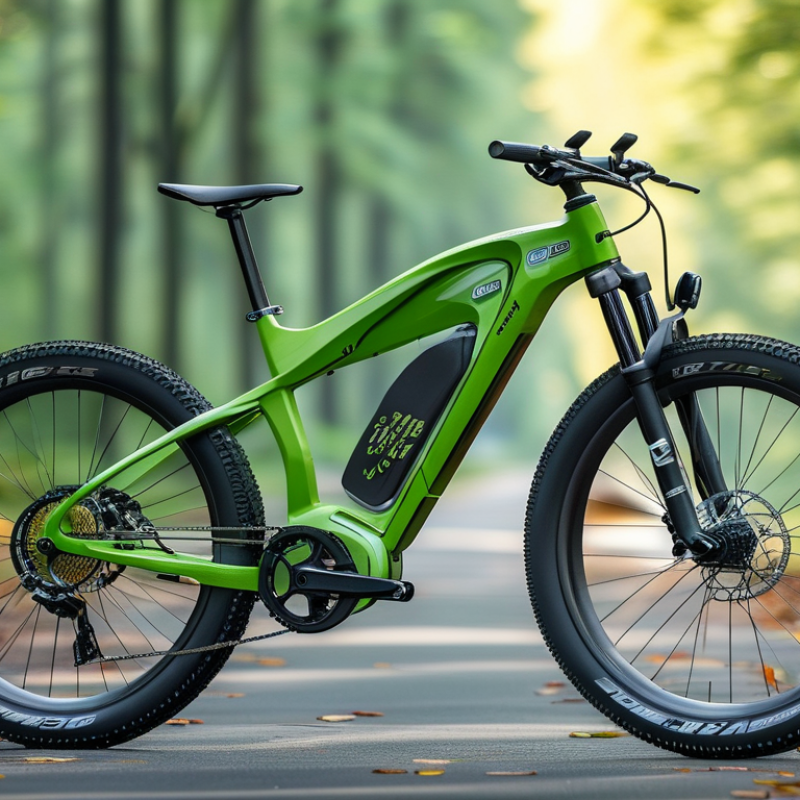
Key Features to Look for in Eco-Friendly Bicycles
When searching for the best eco-friendly bicycle, there are crucial features to consider. Look for lightweight materials. They enhance performance and reduce energy use. Aluminum and bamboo options are notable. These materials have lower environmental impact than carbon fiber. Durability is a must. A bike that lasts requires fewer resources for replacements.
Evaluate the drivetrain system. Efficient gear systems improve speed and reduce energy exertion. Choosing a bike with a reliable braking system ensures safety. Disc brakes, for example, work well in diverse conditions. Additionally, check the bicycle’s assembly process. A bike with fewer parts is generally easier to maintain. Simple designs often lead to a lower carbon footprint.
Don’t overlook the bike’s accessories. Panniers made from recycled materials or solar-powered lights reflect eco-conscious choices. Also consider the bike’s recyclability at the end of its life cycle. This shows a commitment to sustainability. Some features might be less effective in certain terrains. Balance performance with eco-friendliness. Reflect on your specific needs.
Types of Eco-Friendly Bicycle Materials and Their Environmental Impact
When considering eco-friendly bicycles, the materials used are crucial. Many bicycles today utilize aluminum, steel, and carbon fiber. Each material has distinct environmental impacts. For instance, aluminum production is energy-intensive but offers recyclability. Steel is widely recyclable and durable but heavier. The extraction of raw materials often contributes to ecosystem degradation.
Natural materials are gaining popularity too. Bamboo bicycles are lightweight and sustainable, with a minimal carbon footprint. They require less energy during production compared to metal bikes. However, bamboo cultivation must be managed carefully. Overharvesting could lead to habitat loss.
Another innovative material is hemp, used in bike frames and accessories. This plant grows quickly and requires fewer chemicals. Yet, the infrastructure for production is still developing. Many potential buyers may find hemp-based bicycles less familiar. Understanding these materials is vital for making informed choices. The environmental impact of each option should guide your decision.
Comparing Performance: Electric vs. Traditional Eco-Friendly Bicycles
When choosing between electric and traditional eco-friendly bicycles, several aspects come into play. According to data from the International Energy Agency, electric bicycles can reduce carbon emissions by up to 40% compared to cars. They are becoming increasingly popular in urban areas, especially for commuting. Their performance often surpasses traditional bicycles in terms of speed and range, making them a viable option for many.
However, traditional bicycles have their merits. They require no batteries, which means less environmental impact from production and disposal. They also promote physical health more effectively, encouraging riders to engage in a full-body workout. A study by the Journal of Transport & Health indicates that cycling can significantly improve cardiovascular health and overall physical fitness.
Tip: Consider your usage. If you aim for a daily commute with longer distances, an electric bike may be ideal. But if your goal is fitness and sustainability, a traditional bike could be better.
Electric bicycles often come with features like regenerative braking and smartphone integration, enhancing their user experience. Yet, battery life and replacement costs can be an issue worth noting. Regular maintenance on both types is essential, but electric bikes may need more frequent checks on electrical components.
Tip: Ensure you research battery technology. Look for features that extend battery life and efficiency, as these factors greatly influence long-term sustainability.
Best Eco Friendly Bicycles for 2026: What to Consider?
| Bicycle Type | Weight (lbs) | Range (miles) | Charging Time (hours) | Eco Rating (1-10) | Price ($) |
| Electric Bicycle | 50 | 60 | 4 | 8 | 1200 |
| Traditional Bicycle | 30 | N/A | N/A | 9 | 400 |
| Foldable Electric Bicycle | 40 | 45 | 3 | 7 | 800 |
| Hybrid Bicycle | 35 | N/A | N/A | 8 | 600 |
Top Eco-Friendly Bicycle Brands for 2026: A Comprehensive Overview
As the demand for eco-friendly bicycles grows, several brands stand out in 2026. These brands emphasize sustainable materials and innovative designs. This shift shows a commitment to reducing carbon footprints while promoting healthy lifestyles.
When considering eco-friendly bicycle brands, look for those that prioritize recyclable materials. Some companies utilize aluminum and bamboo, both of which are environmentally sustainable. Additionally, explore brands focusing on energy-efficient production methods. Their processes often result in lower emissions and waste.
It's important to reflect on your needs. A bike's weight, durability, and style matter greatly. Different models cater to urban commuters and weekend adventurers alike. Some brands even allow customization, so you can design a bicycle that fits your lifestyle. However, beware of claims that seem too good to be true. Not every eco-friendly label reflects genuine sustainability. Research thoroughly to make an informed choice that aligns with your values.
Maintenance Tips for Extending the Life of Eco-Friendly Bicycles
Maintaining eco-friendly bicycles is essential for both performance and longevity. Regular maintenance ensures that your bike remains efficient and safe. Studies reveal that properly maintained bicycles can last up to 30% longer than neglected ones. A clean bike runs smoothly, reducing wear and tear on its components.
Start by checking tire pressure weekly. Under-inflated tires can result in poor performance and increased energy consumption. Additionally, lubricate the chain every few rides to prevent rust and ensure a smooth ride. Dirt and grime can build up, leading to potential damage over time.
Another useful tip is to inspect brakes regularly. Worn-out brake pads can diminish stopping power, compromising safety. While it may seem minor, making these checks can save you from costly repairs down the line. Remember that small neglects lead to significant problems. Taking the time to observe your bike’s condition is vital for maintaining its eco-friendly benefits.
Best Eco-Friendly Bicycles for 2026: Maintenance Tips and Lifespan Analysis