2026 Best Aluminum Packaging Trends Innovations and Applications?
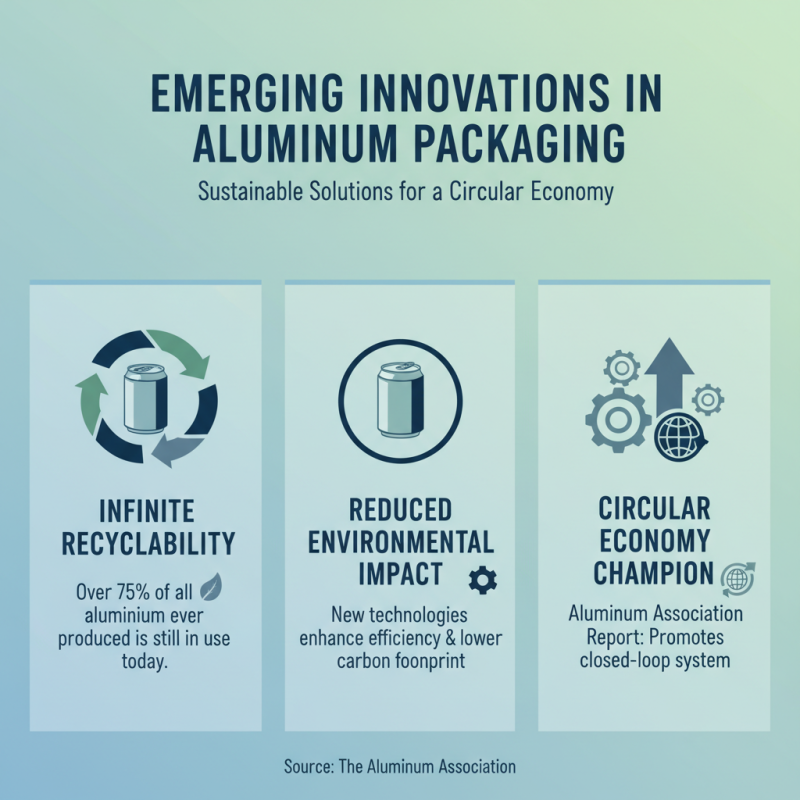
The world of aluminum packaging is undergoing significant transformations as we approach 2026. As industries look for innovative solutions, aluminum packaging stands out for its sustainability and versatility. This material is not just lightweight but also offers excellent barrier properties, making it ideal for diverse applications.
Recent trends show a surge in eco-friendly practices, driven by consumer demand for sustainable products. Many brands are transitioning to aluminum packaging to reduce their carbon footprints. This shift reflects a growing awareness of environmental issues. Yet, challenges remain. The recycling rates for aluminum, while high compared to other materials, still need improvement.
In this landscape, innovation is key. Companies are developing new designs and applications that enhance functionality while promoting sustainability. As we explore these trends, it is essential to consider both the advancements and the areas needing attention. Aluminum packaging is not merely a trend; it is a pivotal part of our future.

2026 Insights: Current State of Aluminum Packaging Market and Growth Projections
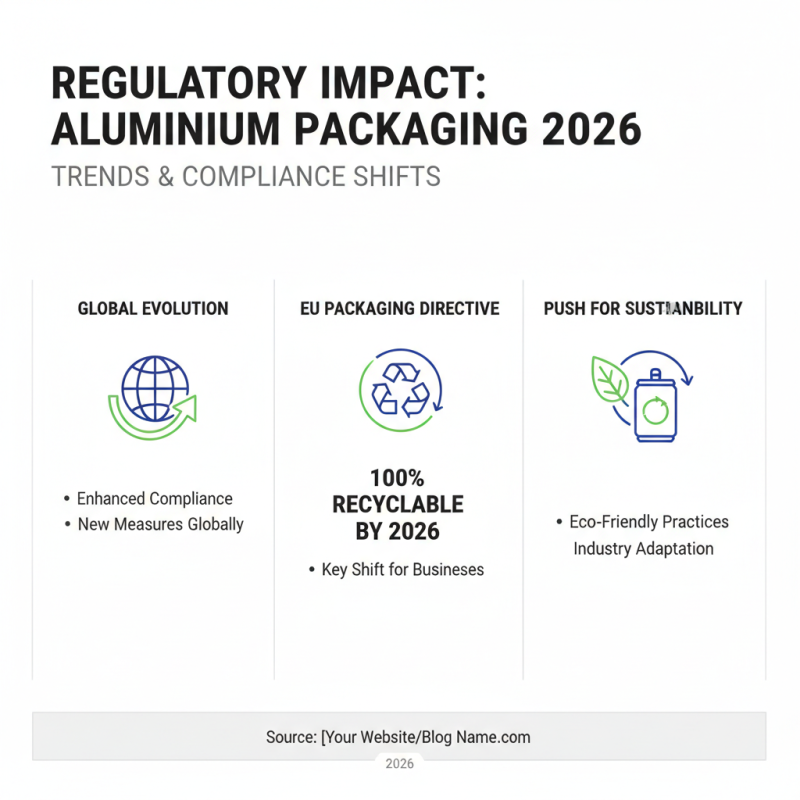
The aluminum packaging market is experiencing significant growth. According to a report by Smithers Pira, the demand is projected to reach $150 billion by 2026. This growth is driven by increased consumer awareness of sustainability. Aluminum is 100% recyclable, making it a popular choice among eco-conscious brands.
Innovations in aluminum packaging are reshaping the market landscape. Lightweight materials are reducing transportation costs. Smart packaging technologies are emerging, allowing brands to track product freshness. This drives efficiency and enhances consumer trust. Despite these advancements, challenges remain. Not all aluminum packaging is recyclable, and contamination can lead to waste.
As brands look to innovate, consumer preferences are evolving. There's a growing demand for convenience and durability. Companies must adapt or risk falling behind. Industry experts suggest that those who prioritize sustainable practices will likely capture more market share. The focus on circular economy principles will influence future developments in aluminum packaging.
2026 Aluminum Packaging Market Growth Projections
This chart illustrates the projected growth in the various applications of aluminum packaging from 2024 to 2026. The data highlights the increasing demand and innovation within the aluminum packaging market.
Key Applications of Aluminum Packaging Across Various Industries in 2026
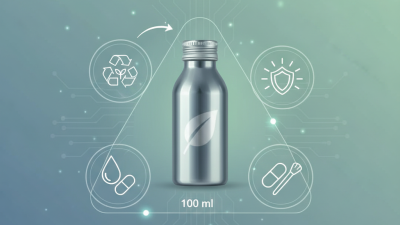
The aluminum packaging industry is evolving rapidly in 2026, driven by innovations across various sectors. Food and beverage companies increasingly choose aluminum due to its lightweight and recyclable properties. This move not only enhances sustainability but also improves shelf life. In personal care, aluminum containers provide a premium look while ensuring product protection. The recycling rate for aluminum continues to be high, making it a smart choice for brands aiming for eco-friendly solutions.
In the pharmaceutical sector, aluminum packaging plays a crucial role in protecting sensitive medications. The barrier properties of aluminum prevent moisture and light from degrading products. This ensures that patients receive effective treatments without compromise. Additionally, the push towards sustainable packaging fuels trends in aluminum use.
Tips: Consider the user experience when designing aluminum packaging. Incorporate easy-to-open features for convenience. Additionally, stay updated with recycling programs in your region to encourage responsible disposal practices. Reflect on how these innovations can enhance your brand’s image while contributing to sustainability. Each small change can make a significant impact.
2026 Best Aluminum Packaging Trends Innovations and Applications
| Industry |
Aluminum Packaging Type |
Key Trends |
Innovations |
Applications |
| Food & Beverage |
Aluminum cans |
Sustainability, lightweighting |
Biodegradable coatings |
Soft drinks, energy drinks |
| Consumer Goods |
Foil packaging |
Recyclability, premium aesthetics |
Printed finishes |
Cosmetics, food items |
| Pharmaceuticals |
Aluminum blisters |
Tamper-evidence, child-resistant |
Smart packaging |
Tablets, capsules |
| Automotive |
Aluminum aerosols |
Lightweight solutions, performance |
Seamless technology |
Lubricants, cleaning agents |
| Energy |
Aluminum tubes |
Sustainable sourcing, custom designs |
Advanced sealing technologies |
Batteries, power systems |
Consumer Preferences Driving Trends in Aluminum Packaging Design and Functionality
Aluminum packaging is evolving rapidly, with consumer preferences shaping its design and functionality. According to a report by Smithers Pira, the global market for aluminum packaging could reach $130 billion by 2026. This growth signifies a shift towards more sustainable and efficient packaging solutions as consumers demand eco-friendly materials.
Sustainability stands out as a driving force in aluminum packaging trends. Over 70% of consumers prioritize recyclable materials. Brands are responding by using aluminum, which is 100% recyclable without loss of quality. This appeals to environmentally conscious consumers. However, there's a challenge. Many consumers remain unaware of the recyclability of aluminum compared to plastic. Educating the public is vital.
Functionality is equally important. Consumers seek convenience alongside sustainability. Packaging that offers resealability or easy-open designs is becoming popular. Data from the European Aluminum Foil Association indicates that 60% of consumers prefer packaging that simplifies their experience. Innovations like lightweight designs also make a difference. But not all innovations hit the mark, and some may compromise structural integrity. Evaluating these trade-offs is crucial in advancing the sector.