10 Best Aluminum Packaging Solutions for Sustainable Products?
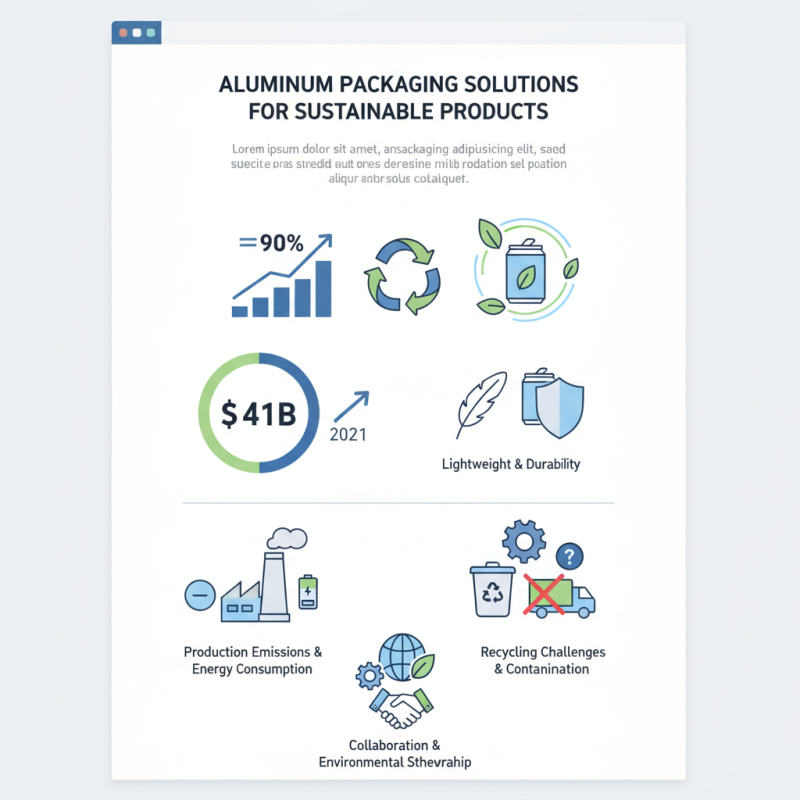
Aluminum packaging is gaining popularity as a sustainable solution in various industries. According to a recent report by the Aluminum Association, aluminum recycling rates can exceed 90%, making it one of the most recyclables materials available. This aligns with the growing consumer demand for environmentally friendly products.
In 2021, the global aluminum packaging market was valued at approximately $41 billion and is expected to grow significantly. This growth is driven by the need for effective product preservation and sustainability. Companies are embracing aluminum packaging, recognizing its lightweight nature and durability. However, challenges remain, including the initial production emissions and energy consumption involved in aluminum creation.
Despite its strengths, the aluminum packaging industry still faces criticisms. Some argue that not all aluminum packaging is recyclable due to contamination. Others highlight logistical challenges in recycling programs. As producers innovate, they must address these concerns, ensuring that the transition to aluminum packaging becomes truly sustainable. The future hinges on collaboration and commitment to environmental stewardship in the packaging sector.
Understanding Aluminum Packaging and Its Environmental Benefits
Aluminum packaging plays a significant role in the sustainability conversation. It is lightweight yet strong, minimizing transport emissions. According to the Aluminum Association, recycling aluminum packaging saves 95% of the energy needed to create new products. This data highlights aluminum’s potential for reducing carbon footprints. Its durability ensures that products remain fresh and reduces spoilage.
While aluminum is recyclable, recycling rates can be problematic. In many regions, only 50% of aluminum products are recycled. This presents an opportunity for improvement. Companies should promote recycling initiatives alongside their products. Consumer education is key. If consumers understand how to recycle effectively, we can increase these rates.
Tip: Always check local recycling guidelines. Each region has different rules.
Aluminum also contributes to a circular economy. By using it for packaging, brands can create products that are both appealing and sustainable. But there’s a balance to find. Suppliers need to supply metals responsibly. Not addressing mining impacts on communities is a critical concern. Striving for greener solutions requires collaboration across industries.
Tip: Support brands that prioritize sustainable sourcing. It makes a difference.
Aluminum Packaging Solutions: Environmental Impact Comparison
This bar chart illustrates the environmental benefits of aluminum packaging solutions. The data reflects key sustainability metrics such as recyclability, carbon emissions, energy consumption, waste reduction, and durability, all measured on a scale from 0 to 100%. These attributes highlight the significant advantages aluminum packaging offers in promoting sustainable practices.
Key Features of Effective Sustainable Aluminum Packaging
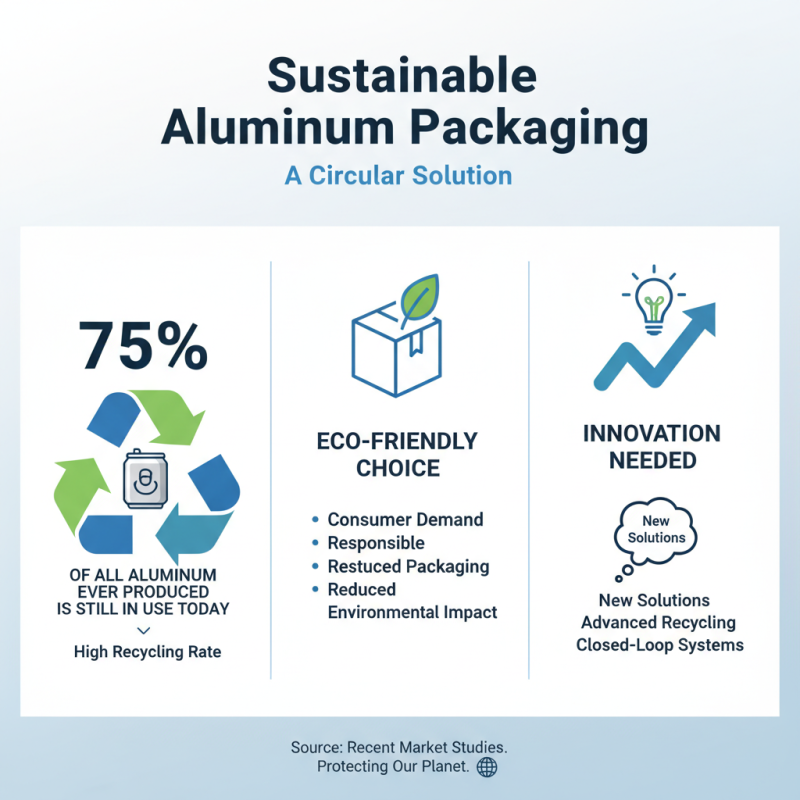
Effective sustainable aluminum packaging solutions share several key features. First, recyclability plays a crucial role. According to the Aluminum Association, around 75% of all aluminum ever produced is still in use today. This high recycling rate is vital for reducing waste and conserving resources. Sustainable packaging must also be lightweight. Lighter packages require less energy to transport, minimizing carbon footprints.
Another essential feature is the ability to protect products. Aluminum effectively shields contents from light, moisture, and bacteria. This preservation extends shelf life, which is essential in the food and beverage sector. Products remain fresh longer, reducing waste. Research indicates that effective packaging can decrease spoilage by up to 30%.
Tips for choosing sustainable aluminum packaging:
- Consider using materials with high recycled content.
- Evaluate the entire supply chain for eco-friendly logistics.
- Ensure that the packaging design supports recycling after use.
While aluminum is a durable option, the sourcing of materials can pose challenges. Not all aluminum production is environmentally friendly.
Consumers expect transparency about sourcing practices. Engaging in responsible sourcing will enhance brand credibility. In a competitive market, brands should prioritize sustainability for long-term success.
Top 10 Aluminum Packaging Solutions for Eco-Friendly Products
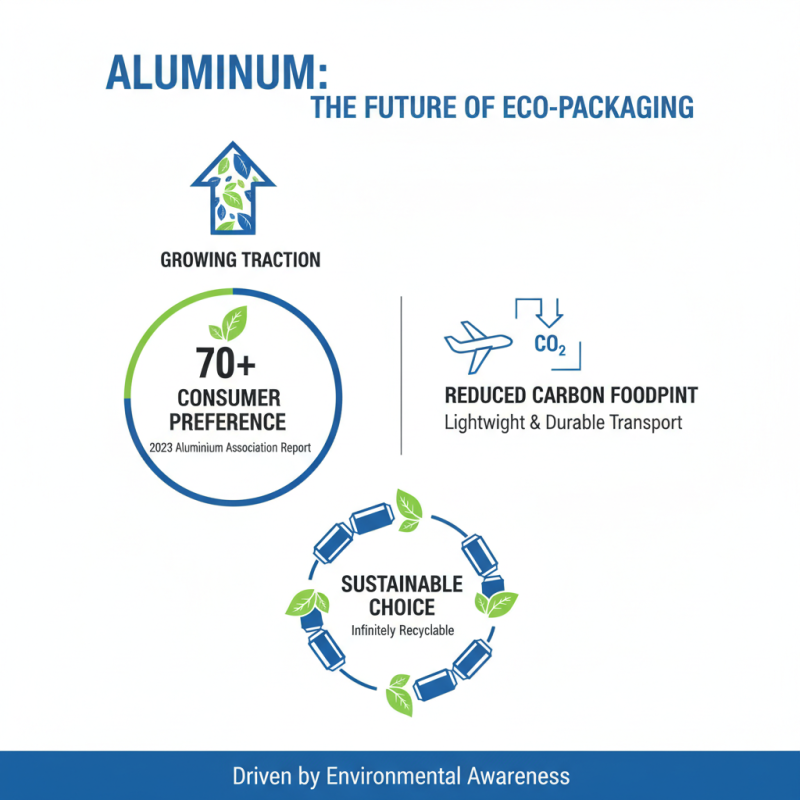
Aluminum packaging is gaining traction in the eco-friendly sector. According to a 2023 report by the Aluminium Association, over 70% of consumers prefer sustainable packaging solutions. This shift is driven by environmental consciousness. Lightweight yet durable, aluminum reduces carbon footprints in transportation.
Using recycled aluminum can save up to 95% energy compared to new materials. Yet, only 75% of aluminum produced is still in use today. It's crucial to increase recycling rates. Investing in high-quality aluminum packaging can enhance product longevity. Brands can also showcase their commitment to sustainability through transparent sourcing.
**Tip**: Always check the recyclability of your packaging materials. Not all aluminum is processed the same.
Aluminum is versatile. It can be used for food, beverages, and cosmetics. However, not every aluminum solution is eco-friendly. Some coatings and inks contain harmful chemicals. Researching suppliers who use eco-certifications can help mitigate this issue.
**Tip**: Look for certifications like ISO 14001. It guarantees a focus on environmental management. Consider these factors when selecting aluminum packaging.
Comparative Analysis of Aluminum vs. Other Packaging Materials
When evaluating packaging materials, aluminum stands out due to its unique properties. It is lightweight yet durable, making it an ideal choice for various products. According to industry reports, aluminum boasts a recycling rate of 75%, significantly higher than plastic, which hovers around 9%. This stark contrast highlights aluminum’s potential for sustainability.
However, the production of aluminum is energy-intensive. Recent studies indicate that creating aluminum from raw materials requires nearly 95% more energy than recycling it. This raises questions about the overall environmental cost of its manufacturing process versus its recyclability. While aluminum can be recycled indefinitely without degradation, the initial impact on energy and resources cannot be overlooked.
In comparison to glass and plastic, aluminum provides a middle ground. Glass is heavier and prone to breakage, while plastics often contribute to pollution. Yet, both glass and plastics have their merits in specific contexts. The continuous debate about aluminum versus other materials emphasizes the need for thoughtful selection. Striking a balance between sustainability and practicality remains a complex challenge.
10 Best Aluminum Packaging Solutions for Sustainable Products
| Packaging Type |
Material Type |
Recyclability |
Weight (g) |
CO2 Emission (kg per unit) |
Cost ($ per unit) |
| Aluminum Can |
Aluminum |
Recyclable |
15 |
0.1 |
0.20 |
| Aluminum Foil |
Aluminum |
Recyclable |
10 |
0.05 |
0.15 |
| Aluminum Blister Pack |
Aluminum |
Recyclable |
8 |
0.08 |
0.10 |
| Plastic Container |
Plastic |
Recyclable |
20 |
0.12 |
0.05 |
| Glass Jar |
Glass |
Recyclable |
250 |
0.4 |
0.30 |
Future Trends in Sustainable Aluminum Packaging Innovations
Sustainable aluminum packaging is gaining traction in the market. Recent studies show that nearly 75% of aluminum ever produced is still in use today. This high recycling rate makes aluminum a favorable choice for eco-friendly products. It reflects a growing consumer demand for responsible packaging solutions. However, innovation is still needed.
Emerging trends indicate that companies are investing in new technologies to enhance aluminum recycling processes. For instance, advancements in hydrometallurgical techniques could reduce energy consumption by up to 50%. Additionally, the adoption of lightweight aluminum designs can decrease transportation emissions significantly. Yet, these innovations come with challenges. Many facilities still struggle with recycling efficiency.
As consumers push for greener options, brands must adapt. The aluminum packaging market is projected to reach $200 billion by 2025. However, the industry faces scrutiny regarding production practices. Transparency in sourcing and manufacturing is essential for building trust. Companies are beginning to explore biodegradable coatings and alternative production methods. The road ahead is complex, but the potential for a sustainable future in aluminum packaging is promising.