2026 Best Aerosol Can Manufacturers You Should Know About?
The aerosol can industry is evolving rapidly. In 2021, the global aerosol can market was valued at approximately $9.37 billion and is projected to grow significantly by 2026. This growth is driven by increasing demand in sectors like personal care, household products, and food. Notably, aerosol can manufacturers are innovating to meet sustainability goals.
Industry expert Dr. Emily Thornton mentions, "Aerosol can manufacturers must adapt to environmental concerns." Her insight emphasizes the need for these manufacturers to focus on recyclable materials and eco-friendly practices. However, despite advancements, challenges persist. Many companies struggle with transitioning to greener solutions due to costs and technical limitations.
In this dynamic market, identifying the best aerosol can manufacturers takes careful consideration. Companies are competing for market share while navigating sustainability. Analyzing their practices can reveal opportunities for improvement and innovation. It's vital to recognize which manufacturers are leading the way and which still have room to grow.

Overview of the Aerosol Can Industry in 2026
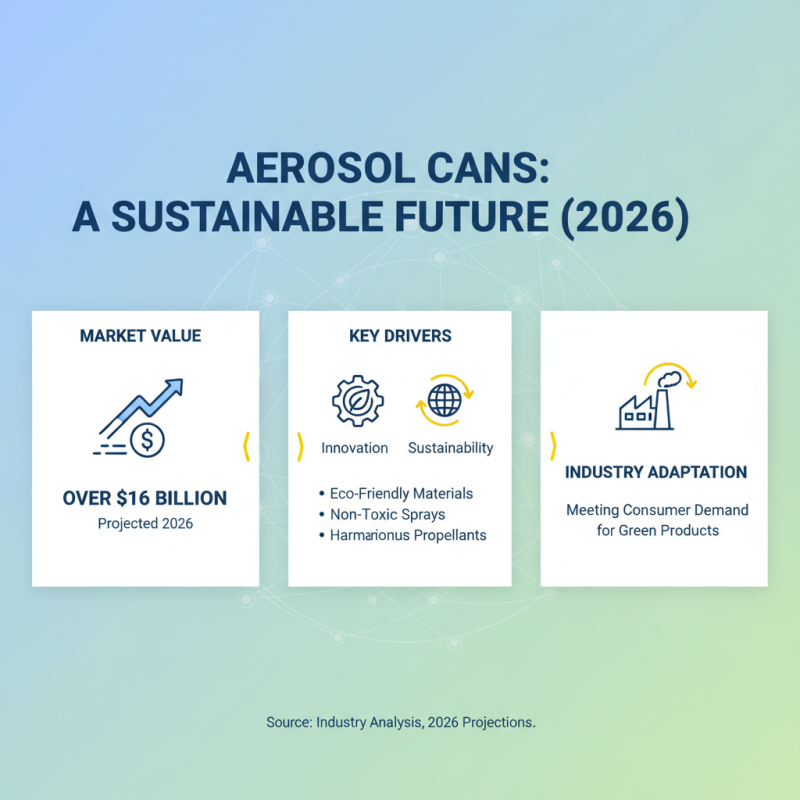
In 2026, the aerosol can industry is projected to reach a market value of over $16 billion, driven by innovation and sustainability efforts. The rise of eco-friendly materials is changing how manufacturers approach production. An increased demand for non-toxic sprays and alternatives to harmful propellants is evident. Companies are adapting quickly to meet these consumer preferences.
Tips: Consider using biodegradable propellants. This can not only enhance your product's appeal but also ensure compliance with evolving regulations.
Moreover, recycling initiatives are taking center stage. As per industry reports, nearly 75% of aerosol cans are recyclable. However, not all consumers are aware of this. There’s still a significant gap in knowledge regarding proper disposal methods. Manufacturers must invest in awareness campaigns to bridge this gap.
Tips: Share information on recycling with your customers. Engaging educational content can lead to more responsible consumer behavior.
Despite advancements, challenges remain. Variability in material quality can affect production efficiency. Industry professionals must remain vigilant about sourcing reliable materials. Striking a balance between cost and quality is essential for long-term success.
Key Features and Innovations in Aerosol Can Manufacturing
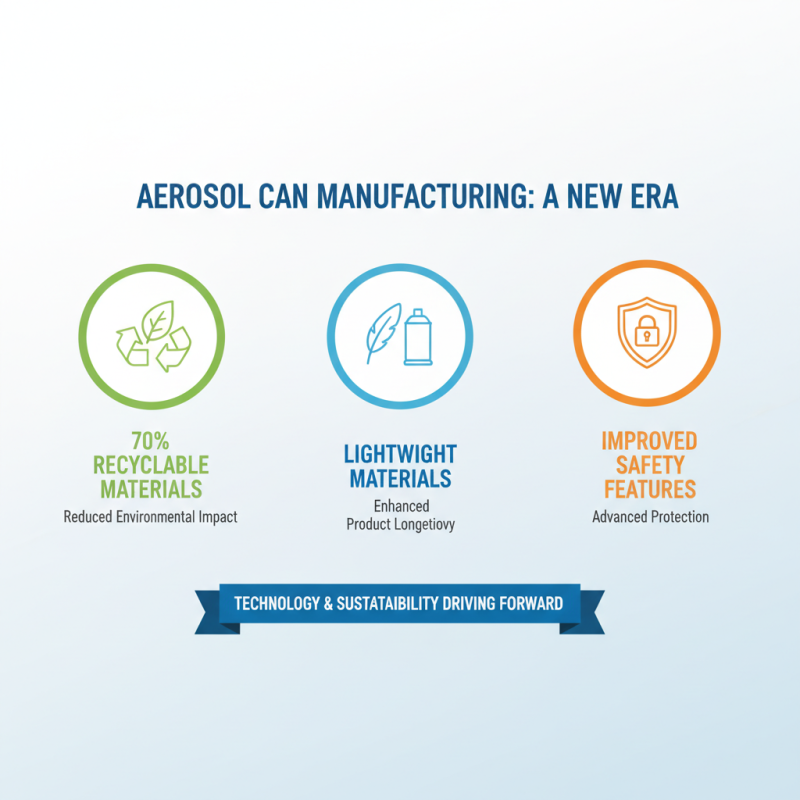
The aerosol can manufacturing industry has seen significant advancements in technology. Key innovations include lightweight materials and improved safety features. Recent data shows that 70% of manufacturers now use recyclable materials. This shift helps reduce environmental impacts while enhancing product longevity.
The production process has also evolved. Automation is increasingly common in factories. This leads to reduced labor costs and improved precision. However, some companies struggle with integrating these new technologies. They may face challenges in training staff and upgrading equipment. Despite the potential benefits, not all manufacturers have kept pace.
Furthermore, sustainability remains a growing concern. In 2022, it was reported that 40% of consumers prefer eco-friendly products. Manufacturers are pressured to innovate accordingly. However, some still rely on outdated methods. The gap in adaptation raises questions about their future in a competitive market. Investing in new technologies is not just an option; it's becoming essential for survival.
Top 5 Leading Aerosol Can Manufacturers to Watch
In 2026, the aerosol can industry continues to evolve. Leading manufacturers are making waves with innovative designs and sustainable practices. These companies focus on efficiency and environmental impact. They face challenges, such as material sourcing and recycling. Each company employs unique methods to deliver quality products.
The top five manufacturers are particularly noteworthy. They invest in advanced technology to improve production processes. Their designs not only cater to functionality but also to aesthetic appeal. One company is experimenting with biodegradable materials, hoping to reduce plastic waste. However, the implementation of new materials sometimes leads to unforeseen complications.
Regulatory hurdles also present challenges. Compliance with environmental standards can slow down development. Yet, these manufacturers show resilience and adaptability. They work hard to overcome obstacles. Their commitment to improvement is commendable. Even in a competitive landscape, they strive for innovation and excellence. It’s a continuously evolving field that requires constant reflection and adjustment.
Sustainability Practices Among Leading Aerosol Can Producers
The aerosol can industry is evolving, with sustainability initiatives becoming a focal point. Leading manufacturers are implementing eco-friendly practices to reduce their environmental footprint. For instance, according to a recent report, nearly 50% of aerosol can producers are now switching to recycled materials in their production processes.
This shift isn’t without challenges. While many companies are eager to adopt sustainable methods, they often face limitations. The availability of high-quality recycled materials can be inconsistent. Additionally, maintaining cost-effectiveness while enhancing sustainability can be a delicate balance. The industry must navigate these complexities to meet growing consumer expectations for environmentally responsible products.
Furthermore, innovation plays a vital role. Many manufacturers are investing in research to develop more biodegradable propellants. Industry data shows that 70% of consumers prefer brands that prioritize sustainability. This preference is pushing companies to rethink their practices. However, some manufacturers lag in adopting greener alternatives. The gap between consumer demand and actual sustainable practices presents an opportunity for growth and improvement in the industry.
2026 Sustainability Practices Among Leading Aerosol Can Producers
Future Trends in Aerosol Can Technology and Design
The future of aerosol can technology is evolving rapidly. Industry reports predict a growth rate of around 4.5% annually. This growth is fueled by innovations in materials and design. Lightweight cans with improved recyclability are becoming more popular. These changes align with global sustainability goals.
Tips: Consider using lightweight materials for your designs. This will help in reducing transportation costs and environmental impact.
Smart aerosol cans are on the horizon. Featuring sensors, they can track usage and provide data on product efficiency. This technology may enhance user experience but raises questions about privacy.
Not all consumers are ready for these advancements. The shift to digital is still a work in progress.
Tips: Engage consumers with clear information about technology benefits. Transparency can drive acceptance and trust in
smart aerosol products.