Top 5 Benefits of Aluminum Packaging for Your Products?
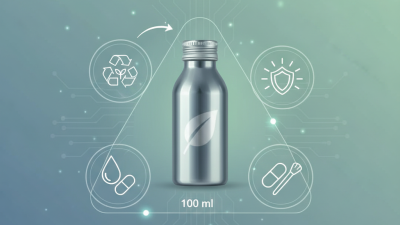
Aluminum packaging offers significant advantages that can elevate your product's appeal. Many industries utilize aluminum packaging due to its durability and sustainability. It protects goods effectively, ensuring they remain fresh and uncontaminated. This factor is vital for food and beverage items, where quality matters immensely.
Moreover, aluminum packaging is lightweight, making transportation easier and more cost-effective. Its recyclable nature supports eco-friendly practices, appealing to environmentally conscious consumers. However, some still hesitate, fearing aluminum may alter the product's taste. Addressing these concerns is essential for educating customers.
Ultimately, adopting aluminum packaging can enhance brand reputation and customer loyalty. As businesses aim for sustainability, this packaging choice aligns well with broader environmental goals. Thoughtful implementation can yield fruitful results. Yet, brands must continuously assess the impact of aluminum packaging to maximize its benefits.

Advantages of Aluminum Packaging in Product Preservation
Aluminum packaging offers significant advantages for preserving products. Its barrier properties effectively keep out oxygen, moisture, and light. This is crucial for perishable items and sensitive materials like pharmaceuticals. The airtight nature of aluminum can extend shelf life significantly. Products remain fresh and retain their intended quality. It's a practical choice for those serious about quality.
However, aluminum packaging does come with nuances. While it’s lightweight and robust, the recycling process can be more complex than expected. Aluminum is recyclable, yet not all consumers participate in recycling programs. This disconnect raises concerns about sustainability. Additionally, the cost of aluminum can fluctuate. Manufacturers must balance the benefits with budget limitations.
Understanding these factors is essential. High-quality preservation often requires careful consideration of packaging choices. The initial investment could lead to better customer satisfaction and product integrity. However, weighing these benefits against potential challenges is vital. It encourages businesses to think critically about their packaging strategies.
Top 5 Benefits of Aluminum Packaging for Your Products
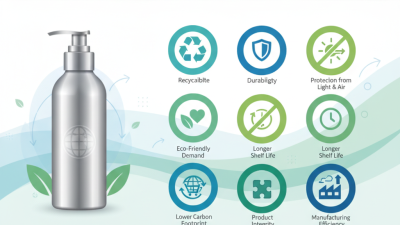
Aluminum packaging offers several advantages for product preservation, making it an increasingly popular choice among manufacturers. These benefits include enhanced product safety, lightweight characteristics, high recyclability, excellent barrier protection for contents, and overall cost-effectiveness.
Environmental Benefits of Using Aluminum Packaging
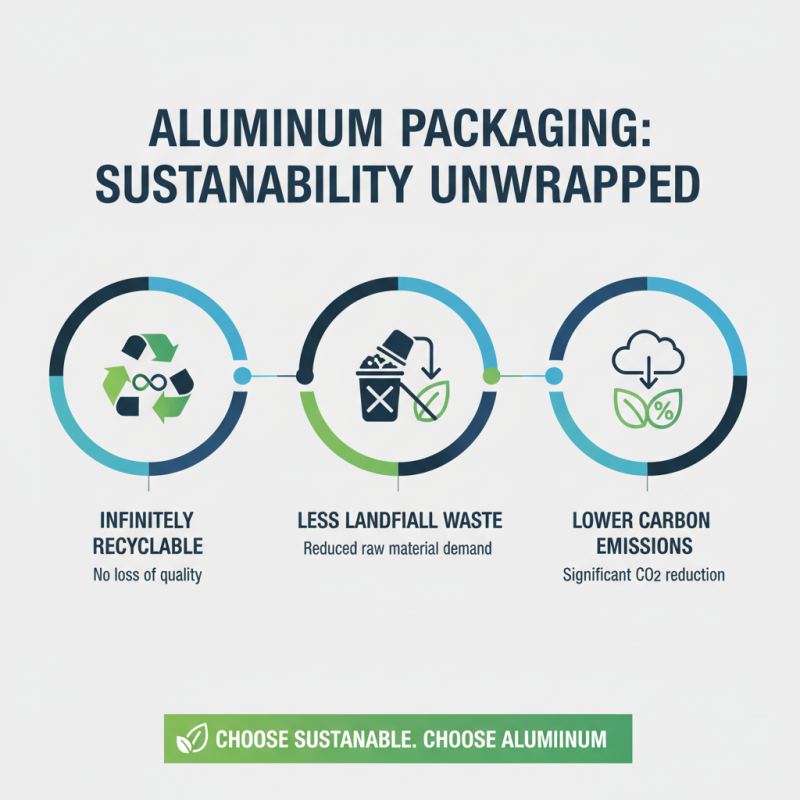
Aluminum packaging is gaining popularity due to its environmental benefits. It is infinitely recyclable without losing quality. This means less waste in landfills and reduced demand for raw materials. Choosing aluminum significantly cuts down carbon emissions.
Tips: Consider using aluminum for products that require durability and protection. It keeps contents safe from light and moisture, extending shelf life. This reduces food waste, another critical environmental issue.
Recycling aluminum consumes 95% less energy compared to creating new aluminum. This energy saving translates directly into fewer greenhouse gas emissions. However, consumer participation in recycling programs is essential. Many still fail to recycle properly, leading to wasted potential.
Tips: Educate your customers on how to recycle your aluminum packaging. Small reminders can make a big difference. Also, explore local recycling initiatives to encourage engagement and responsibility. Every small step helps.
Cost-Effectiveness of Aluminum Packaging Solutions
Aluminum packaging is a smart choice for many businesses. It strikes a balance between quality and cost. Using aluminum can significantly reduce packaging costs. It is lightweight, making transportation cheaper. This is crucial for reducing overall expenses.
Beyond just cost savings, aluminum is highly versatile. It can be molded into various shapes and sizes. This flexibility allows brands to present their products attractively. An eye-catching package can boost sales. However, not all designs achieve this goal. Some companies overlook market preferences, missing out on potential buyers.
Additionally, aluminum is recyclable. This offers an eco-friendly alternative. While this may save costs, there are challenges. Not every facility can handle aluminum recycling. Companies must ensure their supply chains support sustainability. It requires careful planning and execution. Though it seems simple, many fail to implement an efficient system. Reflecting on these aspects is essential for long-term success.
Versatility of Aluminum Packaging Across Various Industries
Aluminum packaging is gaining traction across various industries due to its remarkable versatility. Food and beverage manufacturers often favor aluminum for its lightweight and durable properties. This material effectively protects products from light, air, and moisture, preserving freshness and flavor. Many brands are shifting to aluminum to meet sustainability goals. It’s recyclable and can significantly lower carbon footprints.
In the pharmaceutical sector, aluminum packaging is crucial. It provides essential barriers against contaminants, ensuring product safety and efficacy. Medication strips and blister packs often utilize aluminum to maintain dosage integrity. This approach safeguards health while also offering convenience to users.
Tip: Consider using aluminum packaging to enhance product visibility on shelves. Its shiny surface can attract customers.
Another area where aluminum shines is cosmetics. The sleek design and lightweight nature appeal to consumers. Aluminum containers can be elegantly shaped, creating a premium feel. However, keep in mind that some customers may prefer more eco-friendly packaging options.
Tip: Evaluate the balance between aluminum usage and sustainable practices. Engage with customer feedback to understand preferences better.
Consumer Appeal and Marketing Benefits of Aluminum Packaging
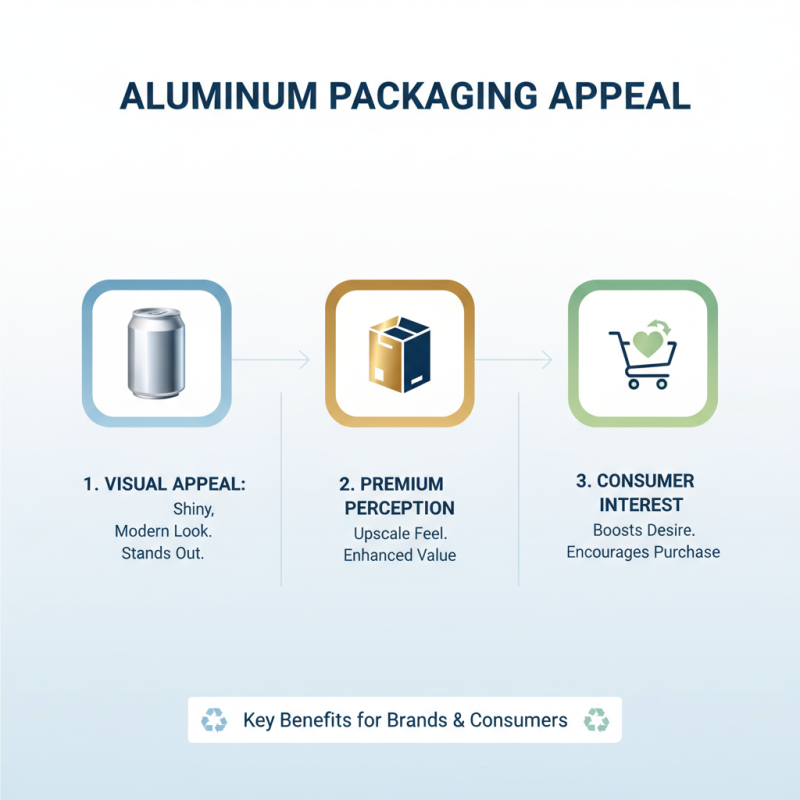
Aluminum packaging appeals to consumers in many ways. Its shiny surface and modern look grab attention on store shelves. When products are packaged in aluminum, they often seem more upscale. This perception can boost customer interest and encourage purchases.
Moreover, aluminum packaging preserves freshness. It acts as a barrier against light, oxygen, and moisture. Consumers appreciate products that stay fresh longer. This can lead to loyalty, as buyers return for the same trusted experience. However, it’s essential to address environmental concerns. While aluminum is recyclable, not all consumers recycle it properly. This gap can challenge companies to educate buyers about recycling benefits.
Aluminum is also lightweight and easy to handle. Consumers often prefer packaging that is convenient. But, as with any material, there are downsides. If not managed well, aluminum can dent easily, harming its aesthetic appeal. This presents a challenge in balancing design and durability for brands looking to capture consumer attention.