Top Benefits of Using Aluminum Bottles for Everyday Hydration?
In today's fast-paced world, hydration is crucial for overall health. Many people overlook the type of container they use for their drinks. Aluminum bottles have emerged as an excellent choice for everyday hydration. According to a report from the Beverage Marketing Corporation, the global aluminum bottle market is projected to grow significantly, reaching over $1 billion by 2025. This surge highlights the growing popularity of aluminum bottles among consumers and manufacturers alike.
Experts in the industry emphasize this shift. Mark Larson, a recognized authority on sustainable packaging, states, "Aluminum bottles not only offer practicality but also reduce the ecological footprint." This statement resonates with many individuals seeking eco-friendly alternatives. Aluminum bottles are lightweight, durable, and can be recycled indefinitely. These features make them attractive for both outdoor enthusiasts and everyday users. However, some may question their heat insulation properties compared to other materials.
While aluminum bottles provide numerous benefits, it's important to consider the trade-offs. They may not keep liquids as cold or hot as stainless steel. However, many believe that the environmental advantages outweigh these concerns. Embracing aluminum bottles can effectively promote health while contributing to a more sustainable future.

The Environmental Impact of Using Aluminum Bottles for Hydration
Aluminum bottles are becoming popular for hydration. They offer many environmental benefits. In fact, aluminum is highly recyclable. According to the Aluminum Association, recycling aluminum saves over 90% of the energy needed to produce new aluminum. This means fewer carbon emissions and a smaller environmental footprint.
Using aluminum bottles reduces plastic waste. Each year, millions of plastic bottles end up in landfills. A report from the World Economic Forum states that by 2025, there could be more plastic in the ocean than fish. That is alarming. Aluminum bottles can help combat this issue. They are durable and can be reused many times.
However, the production of aluminum still raises concerns. Mining for bauxite, the primary ore of aluminum, can destroy habitats. Water and air pollution from this process is troubling. We need to reflect on this trade-off. Choosing aluminum is better than single-use plastics, but it's essential to consider the entire lifecycle. The focus should be on more sustainable solutions, even if aluminum is a step in the right direction.
Durability and Longevity: How Aluminum Bottles Outlast Other Materials
Aluminum bottles are increasingly popular for daily hydration. Their durability and longevity set them apart from plastic and glass. For those on the go, they can withstand drops and bumps easily. Unlike plastic, aluminum doesn't shatter or crack, making it a safer option for outdoor activities. You can toss it in your bag without worrying about spills.
The material also resists wear over time. While plastic can degrade under sunlight, aluminum remains strong. This quality ensures your bottle lasts through seasons of use. Additionally, aluminum bottles are lightweight. You won’t feel burdened when carrying it around. The sleek design is easy to grip, yet it may dent if mishandled.
However, it's important to maintain them properly. A little scratch can affect their insulation properties. Regular cleaning is necessary to avoid unpleasant odors. People often forget to wash the inner sides thoroughly. Yet, a well-maintained aluminum bottle can last for years, serving you effectively. Keeping an eye on these details enhances your hydration experience.
Top Benefits of Using Aluminum Bottles for Everyday Hydration
| Benefit |
Description |
Durability Rating (1-10) |
Lifespan (Years) |
Weight (g) |
| Lightweight |
Aluminum bottles are significantly lighter than glass or steel bottles, making them easier to carry. |
8 |
5-7 |
100 |
| Rust-Resistant |
Unlike metal bottles, aluminum does not rust, ensuring the bottle stays in good condition. |
9 |
10+ |
150 |
| Recyclable |
Aluminum is highly recyclable, making it an environmentally friendly option. |
10 |
Indefinite (with proper recycling) |
120 |
| Thermal Insulation |
Many aluminum bottles are insulated to keep beverages hot or cold for a longer time. |
8 |
5 |
300 |
| Customizable |
Aluminum bottles can be easily printed with designs, making them a popular choice for promotional items. |
7 |
3-5 |
200 |
Health Benefits: The Safety of Aluminum Bottles Compared to Plastic Bottles
Aluminum bottles have gained popularity for various reasons. One major benefit lies in health safety. Unlike plastic bottles, which may leach harmful chemicals, aluminum is generally safer. Many people are concerned about BPA. This chemical is often found in plastics and poses potential health risks. Choosing aluminum bottles can help avoid that worry.
Additionally, aluminum is lightweight and durable. It does not break easily like glass. This makes it ideal for daily use. Some aluminum bottles come with inner linings that prevent the metallic taste. However, not all linings are created equal. It’s crucial to research brands to ensure they prioritize safety.
Moreover, using aluminum bottles can lead to reflection. Some may think they are making a healthy choice, yet if they don’t maintain them, bottles can become a breeding ground for bacteria. Proper cleaning and care are essential. Balancing convenience with hygiene is necessary for optimal hydration.
Top Benefits of Using Aluminum Bottles for Everyday Hydration
Weight and Portability: Why Aluminum Bottles are Ideal for On-the-Go Hydration
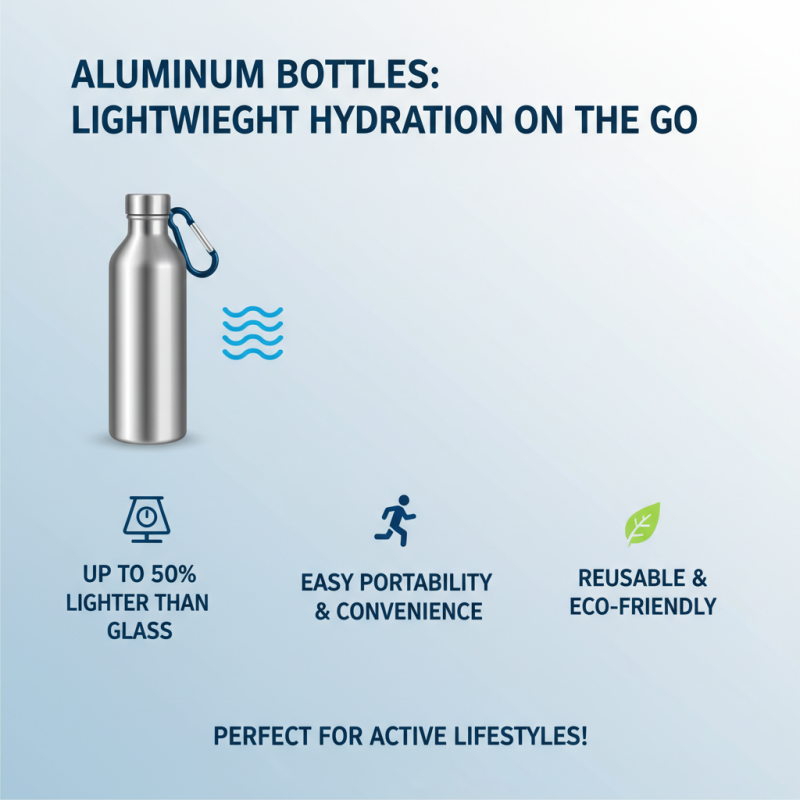
Aluminum bottles have become popular for hydration on the go. Weighing significantly less than glass or even stainless steel, these bottles are perfect for portable hydration. According to a recent industry report, aluminum bottles can weigh up to 50% less than traditional glass containers. This lightweight feature makes them ideal for anyone who prioritizes convenience while carrying water or other beverages.
Portability is crucial for active lifestyles. Aluminum bottles fit easily into backpacks, gym bags, and cup holders. Research indicates that consumers prefer lighter options as they engage in outdoor activities or travel. However, some people may overlook the potential for minor dents, which can affect appearance but do not compromise functionality. It’s essential to balance aesthetic preferences with practicality when selecting a hydration solution.
Another consideration is the insulating properties of aluminum bottles. They can keep beverages cooler for a more extended period compared to certain plastic options. Yet, they typically don't provide the same temperature retention as double-walled stainless steel. Understanding these differences can guide individuals to the right choice for their hydration needs. Awareness about these factors enriches the decision-making process.
Cost-Effectiveness: Evaluating the Economic Advantages of Aluminum Bottles
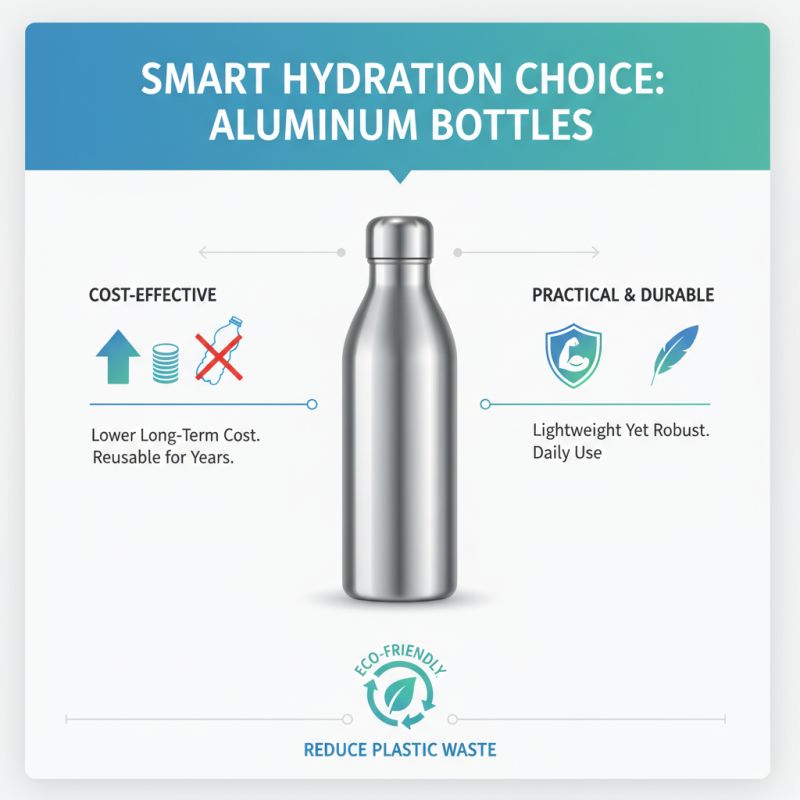
When considering hydration options, aluminum bottles stand out for their cost-effectiveness. They are lightweight yet durable, making them a practical choice for daily use. Initially, the purchase price may seem higher than plastic bottles, but think about the long-term savings. Aluminum bottles are reusable and can last for years. This reduces the need to buy single-use plastics frequently.
Additionally, aluminum is often recyclable. When a bottle reaches the end of its life, it can be recycled efficiently. This recycling process is more affordable than producing new plastic bottles. Investing in an aluminum bottle can also encourage less waste. Fewer discarded bottles mean reduced environmental impact, which is a win for everyone.
However, not every aluminum bottle is created equal. Some may lack insulation, leading to temperature issues. It's essential to evaluate your specific needs before buying. Reflecting on personal habits can guide choices. Adopting an aluminum bottle requires commitment to sustainability and conscious living. Each small choice adds up to significant economic and environmental benefits over time.