Best Bamboo Charcoal Wood Benefits for Eco Friendly Living?
Bamboo charcoal Wood has become a pivotal element in eco-friendly living. Its numerous benefits not only enhance our daily lives but also promote sustainability. According to a 2022 report from the International Journal of Environmental Research, bamboo charcoal can absorb up to 200 times its weight in toxins. This remarkable quality is why many eco-conscious consumers are turning towards bamboo charcoal wood products.
Dr. Linda Greenfield, a leading expert in sustainable materials, emphasizes the potential of bamboo charcoal wood in reducing environmental impact. She states, “Bamboo charcoal wood is not just a product; it’s a lifestyle choice that reflects our commitment to the planet.” In addition to its practicality, bamboo charcoal wood is biodegradable and renewable. It supports sustainable forestry practices, making it an ideal alternative to traditional lumber.
However, as we embrace these eco-friendly materials, there are challenges to consider. Not all bamboo products are created equal, and sourcing responsibly is crucial. Consumers must be mindful and seek certifications to ensure they are making informed choices. Despite the concerns, the rise of bamboo charcoal wood presents an opportunity to rethink our consumption habits and prioritize a greener future.
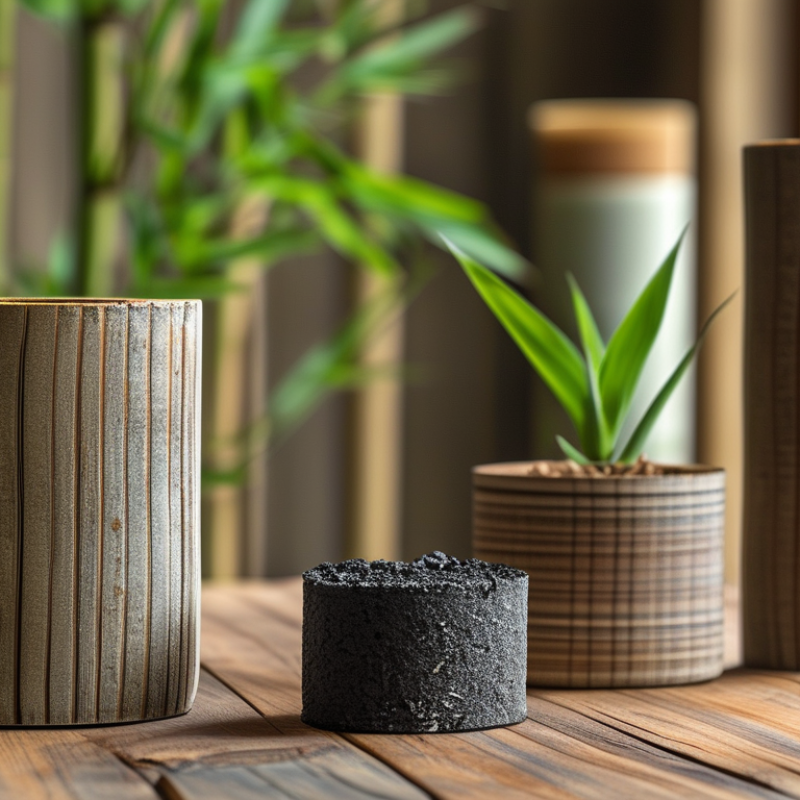
Understanding Bamboo Charcoal: An Eco-Friendly Material
Bamboo charcoal is gaining attention for its eco-friendly qualities. Derived from bamboo wood, this material is known for its sustainability. Bamboo grows rapidly and requires less water than traditional trees. This makes it an ideal resource for creating charcoal without significant environmental impact.
The benefits of bamboo charcoal extend beyond its production. It acts as a natural air purifier, absorbing odors and toxins effectively. Its porous structure contributes to its ability to enhance air quality in homes. People appreciate its versatile uses, from filtering water to being an ideal addition to skin care products.
While bamboo charcoal offers many advantages, it's essential to reflect on its sourcing. Not all bamboo charcoal is created equal. Some products may come from unsustainable practices. Look for certifications that guarantee responsible sourcing. By choosing wisely, you can ensure that you support eco-friendly living truly.
Health Benefits of Bamboo Charcoal in Daily Living
Bamboo charcoal is emerging as a sustainable choice for health-conscious individuals. Its unique porous structure allows it to absorb toxins and impurities effectively. This makes it a beneficial addition to your daily routine. Using bamboo charcoal can enhance air quality in your home. It absorbs odors and reduces harmful substances from the environment.
Incorporating bamboo charcoal-infused products, like air purifiers or bath additives, can provide noticeable effects. The benefits extend beyond just air purification. Bamboo charcoal is also known for its ability to balance pH levels in skin, offering natural skincare properties. Many people report improvements in their skin's texture after regular use.
However, the effectiveness of bamboo charcoal may vary from person to person. Some may not notice immediate results, raising questions about its overall efficacy. As with any natural product, it's essential to consider individual circumstances. Organic living with bamboo charcoal might require your patience and experimentation for the best outcome.
Environmental Impact of Bamboo Charcoal Production
Bamboo charcoal production has gained popularity for its environmental benefits. Bamboo, a fast-growing plant, absorbs carbon dioxide effectively. According to the International Bamboo and Rattan Organization, bamboo can absorb up to 35% more CO2 than trees. This characteristic helps mitigate climate change.
However, the production process is not without challenges. Some methods involve deforestation or unsustainable harvesting practices. It is crucial to consider the source of bamboo and ensure it comes from responsibly managed forests. Reports indicate that without sustainable practices, bamboo production could lead to habitat loss and soil degradation.
Tips: Opt for bamboo charcoal sourced from certified sustainable plantations. Check for eco-labels that indicate responsible forestry practices. Additionally, engaging in local initiatives promotes sustainable bamboo farming in your community.
The use of bamboo charcoal can reduce reliance on synthetic materials. Yet, as popularity rises, the industry must prioritize eco-friendly practices. Consumers should be aware of their choices and support sustainable efforts. This awareness contributes to a healthier planet.
Practical Uses of Bamboo Charcoal in Home and Lifestyle
Bamboo charcoal is an amazing eco-friendly material. It serves multiple practical uses in homes and lifestyles. This sustainable product is made from heated bamboo, resulting in a porous structure. This structure allows it to absorb toxins and excess moisture effectively.
In homes, bamboo charcoal can purify the air. You can place a few bags in different rooms to enjoy cleaner air. It absorbs odors, like pet smells or kitchen scents. Besides this, it can reduce humidity, which may help prevent mold growth. Keeping it in damp areas, like bathrooms or basements, can foster a healthier space.
Using bamboo charcoal in daily life also has benefits. You can use it in your refrigerator to keep food fresh longer. This natural deodorizer helps eliminate unwanted smells. Additionally, consider using bamboo charcoal-infused beauty products. Many claim that it can cleanse the skin and remove impurities. However, results can vary. Some may experience allergic reactions. Always test products on a small area first and modify your usage accordingly.
Choosing Sustainable Bamboo Charcoal Products for Eco-Conscious Living
Choosing sustainable bamboo charcoal products aligns with eco-conscious living. Bamboo charcoal is made from sustainable bamboo. Unlike traditional wood charcoal, it has fewer environmental impacts. According to the Forest Stewardship Council, bamboo grows incredibly fast, making it a renewable resource. This fast growth rate allows for frequent harvesting without harming ecosystems.
When selecting bamboo charcoal products, consider their intended use. For air purification, choose activated bamboo charcoal bags. These bags can absorb harmful pollutants and odors. A study by the Journal of Environmental Health found that activated charcoal effectively reduces VOC levels in indoor air by up to 70%. This can markedly improve indoor air quality, benefiting your health while being eco-friendly.
Tips: Always check for third-party certifications to ensure sustainability. Look for products that are biodegradable at the end of their life cycles. While bamboo charcoal is beneficial, not all products on the market are created equal. Scrutinize claims and seek transparency from manufacturers to make informed decisions. Balancing eco-friendliness with quality may require some effort, but the benefits can be worth it.
Benefits of Bamboo Charcoal for Eco-Friendly Living