China Best Aluminum Water Bottles Are They Safe?

China’s aluminum water bottles come in many shapes, finishes, and price ranges. But a polished exterior does not answer the most important question: is the bottle safe for everyday use? The answer depends on more than the metal. Its interior lining, lid materials, manufacturing quality, and care instructions all matter. Details matter.

Aluminum can react with some drinks, so many bottles use an interior coating to separate the liquid from the metal. That coating should be intact and described clearly by the manufacturer. For water in aluminum bottles, check whether the product identifies its food-contact materials and provides credible test information. A vague claim such as “premium quality” is not enough. I would not treat a glossy listing or a familiar-looking logo as proof of safety.

This guide looks at practical signs shoppers can verify when comparing bottles made in China, including material disclosures, traceable product details, sealing parts, and cleaning guidance. It also considers how scratches, dents, strong odors, or peeling inside the bottle may affect continued use. No single label tells the whole story, and requirements can differ by market. That part is easy to overlook. A careful buyer should check the manufacturer’s documentation and contact the seller when key details are missing. The goal is not to assume every bottle is safe—or unsafe—but to make a better-informed choice based on evidence and everyday use.
China Best Aluminum Water Bottles Are They Safe?

What Aluminum Water Bottles Are and How They Are Made

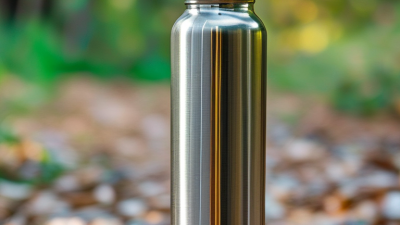
Aluminum water bottles are lightweight containers made from shaped aluminum, usually with a narrow neck and a screw-on cap. Many are produced by pressing an aluminum slug through a die to form a hollow body. The neck is trimmed, and the bottle is washed before finishing. Some designs use formed sheet aluminum instead. The process varies by construction.

The inside may receive a protective coating, often a food-contact polymer, to reduce direct contact between the drink and the metal. That layer is applied and cured under controlled conditions. The exterior may be painted, printed, or left with a metal finish. Caps and seals are fitted separately, then bottles are checked for leaks and visible defects. The shiny outside can draw attention, but the inside coating matters too. Its quality is not easy to judge by appearance alone.

Tips: Check the care instructions and inspect the interior for peeling, deep scratches, or unusual odors. Replace a damaged bottle rather than guessing whether its coating is intact. Avoid assuming every aluminum bottle has the same lining or care requirements. A little uncertainty remains; materials and manufacturing details differ between products.

Materials and Linings Used in Chinese Aluminum Bottles

Aluminum bottles are usually made with a lightweight aluminum shell, but the drink touches the inner lining, not bare metal. That lining may be a food-contact polymer coating; its chemistry and thickness can vary by model. “Made in China” identifies origin, not a single material standard. Check the product specification rather than relying on a product photo.

Tips: Ask the supplier for the lining material and test documents tied to the exact bottle model. Look for testing that covers migration into food or drink, not only a general quality certificate. Rinse and inspect the inside under bright light. If the coating is scratched, blistered, or peeling, stop using the bottle and ask the seller for guidance.

A neutral smell after washing is reassuring, but it cannot prove safety. Strong, lasting odors deserve attention. Follow care instructions, since abrasive brushes and prolonged contact with acidic drinks can stress some coatings. Many bottles are intended for water, not every beverage. Details matter. I would not assume a glossy interior means a durable liner; that is an easy mistake.

China Best Aluminum Water Bottles Are They Safe? - Materials and Linings Used in Chinese Aluminum Bottles
Material or Feature Typical Use Safety Considerations What to Check Practical Guidance
Aluminum bottle body Lightweight outer vessel formed from aluminum sheet or an aluminum alloy. Food-contact safety depends on the complete product, including its inner surface, coating, seams, and intended use—not on the body metal alone. Look for clear food-contact-use information and documentation identifying the bottle’s materials and intended conditions of use. Do not assume that every aluminum bottle is suitable for every beverage or for long-term storage.
Epoxy-based internal coating A polymer lining that separates the beverage from the aluminum surface; used in some metal food and beverage containers. Performance depends on the coating formulation, application, and curing. Some epoxy systems may use BPA-based starting materials; this does not by itself establish whether a finished coating is safe or compliant. Ask for the coating type, food-contact compliance documents, and any relevant BPA information if that is a purchasing requirement. Use only as directed. Avoid bottles with a visibly chipped, blistered, or peeling lining.
Polyester or other polymer coating Alternative internal lining used to provide a barrier between the beverage and the aluminum. Suitability depends on the exact formulation and the beverage, temperature, and contact time. The generic coating name alone does not prove compliance. Check that documentation covers the finished coating and the intended beverage conditions, rather than only the raw resin. Follow the maker’s temperature and cleaning instructions; do not use a damaged coating.
Unlined or exposed aluminum interior Some products may have a bare or minimally treated interior rather than a separate polymer lining. Acidic or salty drinks can increase corrosion or metal transfer compared with less reactive contents. A bare interior should not be presumed suitable for all beverages. Confirm that the product is explicitly intended for the beverage and use conditions in question. When guidance is unclear, choose a product with a documented food-contact lining and avoid storing acidic drinks in it.
Protective oxide or anodized surface Aluminum naturally forms a thin oxide surface; anodizing deliberately thickens the oxide layer. An oxide layer is a surface treatment, not necessarily the same as a polymer food-contact lining. It does not establish suitability for every beverage or cleaning method. Check whether the interior is anodized, coated, or both, and request intended-use information. Do not use abrasive cleaners that may damage a treated surface unless the manufacturer permits them.
Cap, gasket, and other non-metal parts Caps commonly include plastic parts and a sealing gasket. These parts contact the drink and can affect leakage, odor, and overall food-contact compliance. Check that the cap and gasket are identified as suitable for food contact and for the intended temperature range. Clean and dry removable parts regularly; replace parts that are cracked, swollen, or persistently odorous.
Food-contact compliance in China Relevant national standards include GB 4806.9 for metal materials and products and GB 4806.10 for coatings and coating films intended for food contact. Compliance must be assessed for the applicable material and conditions of use. A general claim such as “food grade” is not, on its own, a test report or proof of suitability for every use. Request applicable test reports or a declaration of compliance for the finished bottle and its food-contact components. Verify that the stated standard and test conditions match the product and intended beverage use.
Condition and care Applies to lined and treated aluminum bottles throughout their service life. Damage, corrosion, or persistent residue can compromise performance or make a bottle unsuitable for continued use. Inspect the interior and cap regularly for peeling, deep scratches, corrosion, or damage. Follow the care instructions, avoid prolonged storage of drinks unless permitted, and discontinue use if the interior lining is deteriorating.

How Safe Are Aluminum Water Bottles for Daily Use?

An aluminum water bottle can be suitable for everyday use when its interior coating is intact and the bottle is used as directed. The coating helps keep drinks from contacting bare aluminum. Check the inside under bright light; peeling, deep scratches, or exposed metal are reasons to stop using it. A clean-looking surface is not proof that the coating is undamaged. Visual checks have limits.

Drink acidity, contact time, and coating condition can affect how much aluminum may transfer into a beverage. Avoid leaving lemon water or other acidic drinks in a damaged bottle for hours, especially in a hot car. Rinse the bottle after use and let it dry fully with the cap off. Small habits matter.

EFSA’s 2008 assessment set a tolerable weekly intake of 1 milligram of aluminum per kilogram of body weight. In 2011, the FAO/WHO Joint Expert Committee on Food Additives set a provisional weekly intake of 2 milligrams per kilogram. These figures address total dietary exposure, not a specific bottle’s safety. For daily use, follow the care instructions and replace a bottle with a compromised lining.

Safety Standards and Quality Checks for Bottles Made in China

China Best Aluminum Water Bottles Are They Safe?

Safety depends on the alloy, inner coating, and quality checks—not the country of manufacture alone. China’s GB 4806.1 sets general safety requirements for food-contact materials, while GB 4806.9 covers metal materials and products. Ask suppliers for current, product-specific test reports, not just a certificate for a similar bottle.

Look for migration testing on the finished bottle, including its interior coating, seams, and printed areas. The Council of Europe’s technical guidance for metals and alloys uses a specific release limit of 5 mg per kilogram of food for aluminum. This offers a useful comparison point, though it is guidance, not a substitute for checking the rules in the destination market. A reputable lab report should identify the tested model, method, and results. Check that the tested sample matches the bottle being purchased.

Inspect the lid threads and coating under bright light. Scratches, pinholes, or a metallic taste deserve attention. A polished finish is reassuring, but it proves little. I would also ask whether batches undergo repeat testing; one clean sample cannot represent every production run. These checks reduce uncertainty, but they cannot guarantee every bottle will perform identically.

How to Choose and Care for an Aluminum Water Bottle

China Best Aluminum Water Bottles Are They Safe?

How to Choose and Care for an Aluminum Water Bottle

When choosing an aluminum water bottle, check the inside as carefully as the outside. Many bottles have a protective lining because aluminum can react with acidic drinks. Look for clear care instructions and details about the bottle’s intended use. A smooth, intact lining matters; avoid bottles with peeling, deep scratches, or visible corrosion. If the product information is unclear, choose another option. That extra check is easy to skip.

For everyday care, wash the bottle with warm water, mild dish soap, and a soft brush. Clean the cap and its seal separately, where residue can collect. Rinse well, then leave both pieces open to dry fully. Abrasive pads may damage an inner coating, so avoid them. Follow the maker’s directions, especially for hot drinks or dishwasher use. A rushed rinse is not always enough.

Tips: Don’t store drinks in the bottle for longer than needed, and check the lining regularly in bright light. If you notice a metallic taste, peeling, or pitting, stop using it until you can verify the product’s guidance. Small habits help, though I still miss a damp cap now and then. Drying it separately makes that less likely.

China Best Aluminum Water Bottles: Are They Safe?

Material density comparison for choosing a water bottle (g/cm³)

Aluminum is much less dense than stainless steel or copper, which can make an aluminum bottle lighter. Density alone does not determine safety: bottle quality, interior lining, intended use, and care also matter.