What is an Aluminum Beer Bottle and Its Benefits for Beverages?
Aluminum beer bottles have gained popularity in recent years. According to recent industry reports, the global aluminum bottle market is expected to grow significantly. In fact, it is projected to reach USD 1.4 billion by 2026. This growth is driven by the lightweight and recyclable nature of aluminum beer bottles.
These bottles offer a unique blend of functionality and sustainability. They retain the flavor and carbonation of beverages better than glass. Moreover, aluminum beer bottles are highly customizable, appealing to brands aiming for unique marketing strategies. The convenience of portability makes them ideal for outdoor events and social gatherings.
However, there are challenges and reflections to consider. Some consumers question the taste difference between aluminum and glass. Also, not all markets have adapted to aluminum bottles yet. Understanding these nuances is essential for brands as they navigate this evolving segment of beverage packaging. Aluminum beer bottles hold promise, but the journey has its complexities.

Understanding Aluminum Beer Bottles: Definition and Characteristics
Aluminum beer bottles are a modern alternative to traditional glass bottles. They offer a unique combination of benefits that make them appealing for beverage packaging. One defining characteristic of aluminum beer bottles is their lightweight design. This feature allows for easier transportation and storage, reducing the carbon footprint during distribution. According to the Aluminum Association, aluminum can reduce shipping costs by up to 30% compared to glass.
Another notable quality is the ability of aluminum to keep beverages colder for longer periods. This insulation effect enhances the drinking experience, especially during outdoor events. Research shows that aluminum bottles can maintain temperature four times longer than glass bottles in certain conditions. However, some consumers express concerns over the metallic taste, highlighting a need for better lining technology.
Notably, aluminum is highly recyclable. The recycling process saves significant energy and reduces waste, which is crucial in a world grappling with environmental challenges. In fact, about 75% of all aluminum ever produced is still in use today. This reusability is appealing to eco-conscious consumers. Yet, it raises questions about the long-term sustainability practices within the industry. There is always room for improvement.
Historical Development of Aluminum Beer Bottles in Beverage Industry
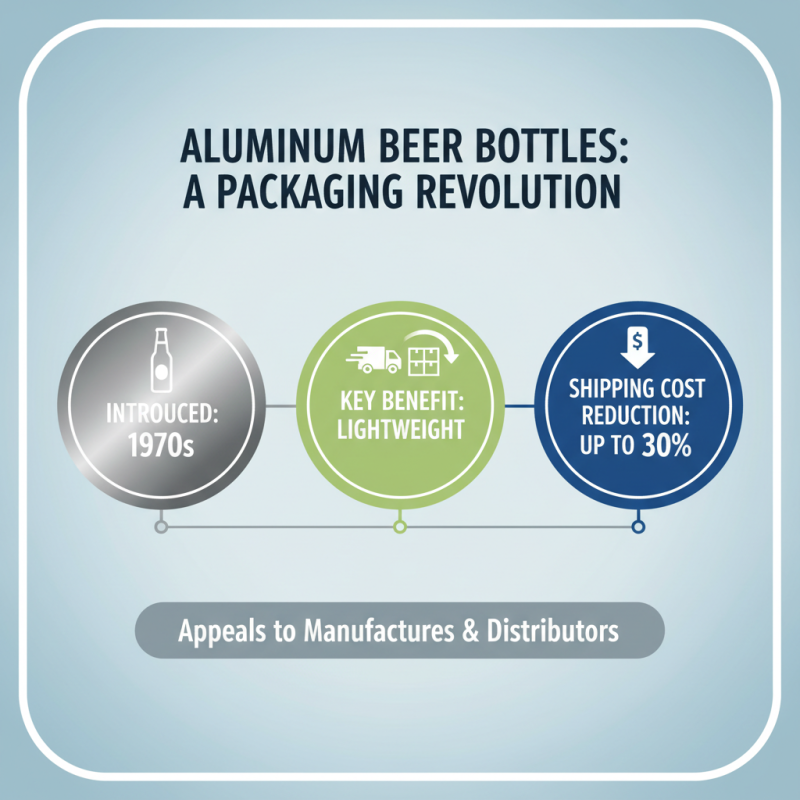
The history of aluminum beer bottles in the beverage industry is fascinating. Initially introduced in the 1970s, these bottles changed packaging dynamics. A key benefit arose from their lightweight nature. They reduced shipping costs significantly. In some cases, studies show cost reductions up to 30%. This appeals to manufacturers and distributes alike.
Aluminum also offers excellent protection for beer. It prevents light and oxygen exposure. A study from the Beverage Packaging Association indicates that 75% of consumers prefer aluminum due to its ability to maintain flavor. This is crucial for breweries striving to deliver quality. Despite these advantages, not all breweries are fully convinced. Some still see glass as the traditional standard. Transitioning to aluminum poses challenges, including retooling production lines and changing consumer perceptions.
Interestingly, sustainability has become a modern concern. Aluminum is highly recyclable. Reports show that recycling rates for aluminum bottles can exceed 90%. This environmental advantage is compelling. Yet, the debate continues. Are aluminum bottles truly better? This remains subjective among beverage enthusiasts. More research is needed to address this question comprehensively.
Key Benefits of Aluminum Beer Bottles for Beverage Preservation
Aluminum beer bottles are gaining popularity due to their unique benefits in beverage preservation. Unlike glass, aluminum is lightweight and nearly indestructible, making it ideal for outdoor events. Research indicates that aluminum bottles can reduce waste by up to 20% compared to traditional glass bottles. This efficiency is crucial in minimizing the carbon footprint associated with beverage packaging.
Moreover, aluminum bottles provide an excellent barrier against light and oxygen. These two elements can cause beer to spoil, altering its taste. A study highlighted that beers stored in aluminum containers maintained their flavor integrity for significantly longer periods compared to those in glass. Interestingly, many consumers report preferring the taste of beer from aluminum bottles. This preference may be linked to the cans' ability to keep the beverage colder for longer.
Despite the advantages, some concerns persist about aluminum's potential impact on flavor. Certain people claim that the metallic taste can affect the drink. While data suggests that technology reduces this issue, it remains an area for improvement. Striking a balance between efficiency and flavor preservation is key as the industry evolves.
Comparing Aluminum Beer Bottles with Traditional Glass Bottles
Aluminum beer bottles have gained popularity as a modern alternative to traditional glass bottles. They offer a lightweight and durable option for consumers. Their design is often sleek and visually appealing. Unlike glass, aluminum is less likely to break, making it perfect for outdoor activities. The portability of aluminum bottles is a significant advantage.
When comparing aluminum to glass, one notable difference is insulation. Aluminum bottles can maintain the temperature of beverages longer. However, they may not provide the same aesthetic appeal as glass. Some people enjoy the classic look and feel of glass bottles. Additionally, certain beer enthusiasts argue that glass improves taste perception.
Another aspect is recyclability. Aluminum is often more eco-friendly than glass, as it requires less energy to recycle. Yet, there are challenges with the recycling process. Not all recycling facilities handle aluminum efficiently. This can lead to waste, undermining its environmental benefits. While aluminum bottles are convenient, their impact on perception and sustainability needs careful reflection.
Environmental Impact and Sustainability of Aluminum Beer Bottles
Aluminum beer bottles are gaining popularity for their lightweight and recyclable nature. They serve beverages while minimizing weight, making transportation easier. This benefit is crucial for events and gatherings. However, many people overlook the environmental aspects of these bottles.
The production of aluminum requires a significant amount of energy. Mining bauxite and refining it can have negative effects on ecosystems. Despite these impacts, aluminum beer bottles can be an eco-friendly choice. They are 100% recyclable and can be reused many times. When recycled properly, they reduce waste and lower carbon footprints.
Choosing aluminum over glass can have mixed implications. While it reduces packaging breakage and energy during transport, the initial production still raises concern. The transition to aluminum should consider both benefits and drawbacks. With responsible recycling, aluminum can play a role in a sustainable future for beverages. The potential is there, but consumer responsibility remains essential.
What is an Aluminum Beer Bottle and Its Benefits for Beverages? - Environmental Impact and Sustainability of Aluminum Beer Bottles
| Aspect |
Details |
| Material |
Aluminum |
| Weight |
Lightweight (approximately 30% lighter than glass bottles) |
| Recyclability |
100% recyclable without loss of quality |
| Carbon Footprint |
Lower carbon emissions compared to glass during production |
| Insulation |
Better temperature retention, keeps beverages cold |
| Transport Efficiency |
More efficient transport due to reduced weight |
| Consumer Preference |
Increasing trend towards aluminum due to sustainability concerns |
| Barrier Properties |
Excellent barrier to light and oxygen, preserving taste |
| Cost |
Competitive pricing compared to glass and plastic |