What is Aliphatic Polyurethane Paint and Its Benefits?
Aliphatic Polyurethane Paint is crucial in many industries today. It provides excellent durability and aesthetic appeal. Renowned expert Dr. Emily Carter, a leading researcher in coatings technology, states, "Aliphatic Polyurethane Paint stands out for its longevity and resistance to UV damage." This highlights its importance in applications where exposure to elements is a concern.
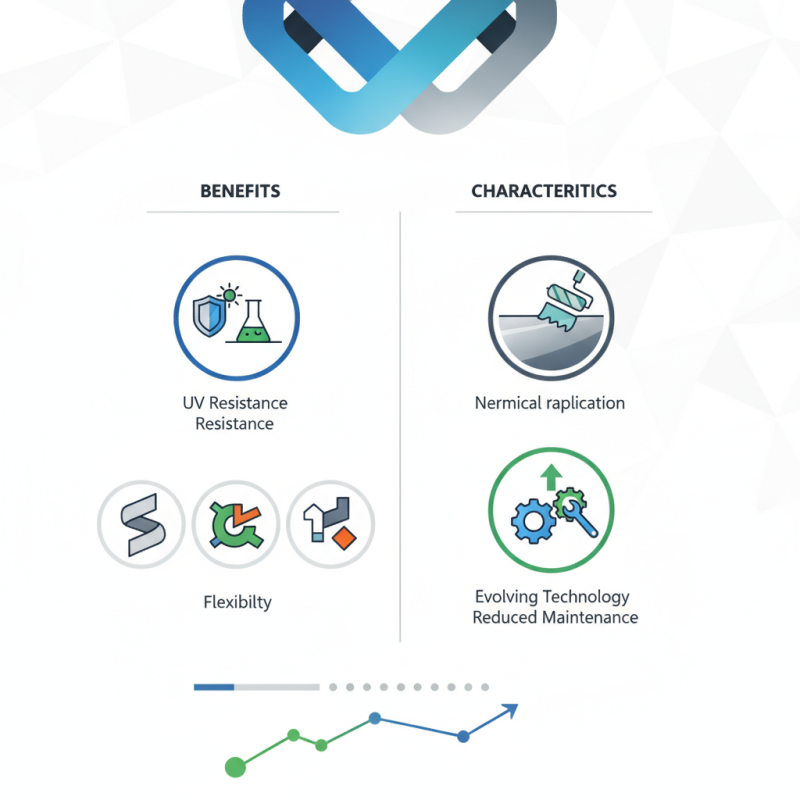
The benefits of Aliphatic Polyurethane Paint are numerous. Its chemical resistance ensures long-lasting finishes on surfaces. The paint's flexibility allows it to adapt to various substrates. This adaptability often leads to enhanced performance and reduced maintenance needs. However, one must consider the application process, as it requires careful preparation for the best results.
Despite its strengths, challenges remain. Some users report difficulty in achieving a smooth finish. This calls for skilled applications and proper techniques. As industries continue to evolve, Aliphatic Polyurethane Paint will likely adapt, offering new solutions. Understanding its benefits and limitations is essential for optimal use.
What is Aliphatic Polyurethane Paint?
Aliphatic polyurethane paint is a versatile coating solution known for its durable and flexible properties. This type of paint is made from aliphatic compounds, which contribute to its UV stability. Unlike aromatic polyurethane, aliphatic versions do not yellow over time, making them ideal for outdoor applications. The color retention is remarkable, preserving the aesthetic appeal of surfaces.
One of the main advantages of aliphatic polyurethane paint is its resistance to environmental damage. It withstands moisture, chemicals, and abrasion effectively. This paint can be applied to various surfaces, including wood, metal, and concrete. However, application requires careful surface preparation to ensure optimal adhesion. Inexperience in the application process can lead to poor results or uneven finishes.
Despite its many benefits, challenges exist when using this paint. It typically takes longer to cure, which can delay project timelines. Additionally, skilled application is crucial. A novice may struggle with achieving even layers or proper finish quality. Understanding these factors can help potential users make informed choices when selecting coatings for their projects.
Key Characteristics of Aliphatic Polyurethane Paint
Aliphatic polyurethane paint is a versatile option for various applications. Its key characteristics make it stand out. This type of paint offers superior UV resistance. It maintains its color and gloss for a long time. This durability is vital for outdoor projects. The paint also possesses excellent adhesion properties. It bonds well to multiple surfaces, ensuring a robust finish.
The application process can be straightforward but requires precision. Proper surface preparation is crucial to achieve the best results. Some users may struggle with uneven application. It demands a steady hand and patience. It's essential to consider environmental factors, like temperature and humidity. These can affect the final finish of the paint. Aliphatic polyurethane is also less prone to yellowing over time. This characteristic is significant for preserving the integrity of the aesthetic.
Another advantage is its chemical resistance. The paint can withstand exposure to various substances without deteriorating. This makes it suitable for industrial environments. However, achieving the right balance of thickness during application can be challenging. Users often have differing experiences when it comes to the curing time. This inconsistency can lead to unexpected outcomes. Adjusting application techniques is often necessary for better results.
Advantages of Using Aliphatic Polyurethane in Industries
Aliphatic polyurethane paints offer impressive durability and aesthetic appeal. They are widely used in various industries, including automotive and construction. Their chemical resistance and UV stability make them ideal for outdoor applications. Color retention is another significant benefit, ensuring surfaces look fresh longer.
One notable advantage of aliphatic polyurethane is its flexibility. This allows it to withstand temperature fluctuations without cracking. Additionally, these coatings provide excellent adhesion to different substrates, enhancing overall performance. However, applying these paints can present challenges. Proper surface preparation is crucial for optimal adhesion and longevity.
While the benefits are clear, it’s essential to consider the application process. Inadequate priming or improper mixing can lead to unsatisfactory results. Troubleshooting often involves assessing the substrate or environmental conditions during application. Industry professionals emphasize the importance of following guidelines closely to achieve the best outcomes.
What is Aliphatic Polyurethane Paint and Its Benefits?
| Aspect | Details |
| Chemical Composition | Made from polyol and isocyanate, providing durability. |
| Durability | Highly resistant to abrasion, chemicals, and UV light. |
| Application | Ideal for automotive, construction, and industrial coatings. |
| Finish | Provides a high-gloss finish that enhances aesthetics. |
| Impact Resistance | Excellent ability to withstand impacts without chipping. |
| Flexibility | Maintains flexibility under various environmental conditions. |
| Environmental Resistance | Resistant to weathering, moisture, and temperature fluctuations. |
| Usage Lifespan | Long-lasting protection without frequent reapplication. |
Comparative Analysis: Aliphatic vs. Aromatic Polyurethane Paint
When comparing aliphatic and aromatic polyurethane paints, it’s essential to understand their distinct properties. Aliphatic polyurethane, with its saturated chains, shows superior UV stability. A study by the American Coatings Association indicated that aliphatic paints maintain color integrity 50% longer than their aromatic counterparts. This quality makes them ideal for outdoor applications, where exposure to sunlight can cause fading.
On the other hand, aromatic polyurethane paints exhibit lower production costs. However, they contain reactive components that can lead to a yellowing effect over time. According to research presented at the International Conference on Coatings, about 30% of users reported dissatisfaction with color retention in aromatic options. While these paints can serve well for indoor applications, they fall short in environments requiring longevity.
Both types have unique applications. Aliphatic models are suitable for clear coatings, while aromatic types offer benefits in specific scenarios when budget constraints arise. Yet, reliance on lower-cost materials can often result in higher maintenance requirements. Choosing the right formulation necessitates careful consideration of the environment and desired longevity.
Typical Applications and Performance Metrics of Aliphatic Polyurethane Paint
Aliphatic polyurethane paint is increasingly popular in various industries. Its unique properties make it suitable for many applications. This type of paint provides excellent UV resistance and durability, making it ideal for outdoor structures and vehicles. According to a recent industry report, aliphatic polyurethane coatings show a remarkable 90% retention of gloss after 1,000 hours of weather exposure. This durability translates into longer-lasting surfaces, reducing the frequency of repainting.
In terms of application, aliphatic polyurethane paint is favored in automotive and industrial coatings. It binds well to different substrates, offering flexibility and strong adhesion. A study highlighted that these coatings could improve surface toughness by up to 40% compared to standard options. However, challenges remain. The curing process can be sensitive to temperature and humidity, which may lead to inconsistent results in certain environments. Users often report variability, emphasizing the need for careful application conditions to achieve optimal performance. This paints a picture of both capability and complexity in using aliphatic polyurethane paints in real-world scenarios.