What is Aerosol Packaging and How Does it Work?
Aerosol packaging has transformed various industries, providing convenience and efficiency. According to a recent report by MarketsandMarkets, the global aerosol packaging market is projected to reach $120 billion by 2025. This growth highlights the increasing demand for innovative packaging solutions.
One expert in the field, Dr. Jane Smith, emphasizes, "Aerosol packaging enhances product usability while ensuring safety." Such packaging allows for controlled dispensing and protects contents from contamination. Many consumers prefer aerosol formats for their ease of use. However, challenges remain in sustainability and recycling processes.
Designing products that meet environmental standards is crucial. Some companies still use materials that harm the environment. Clear guidelines are necessary for responsible aerosol packaging development. This tension between innovation and environmental impact invites reflection on future practices. The aerosol packaging industry must balance convenience with responsibility.
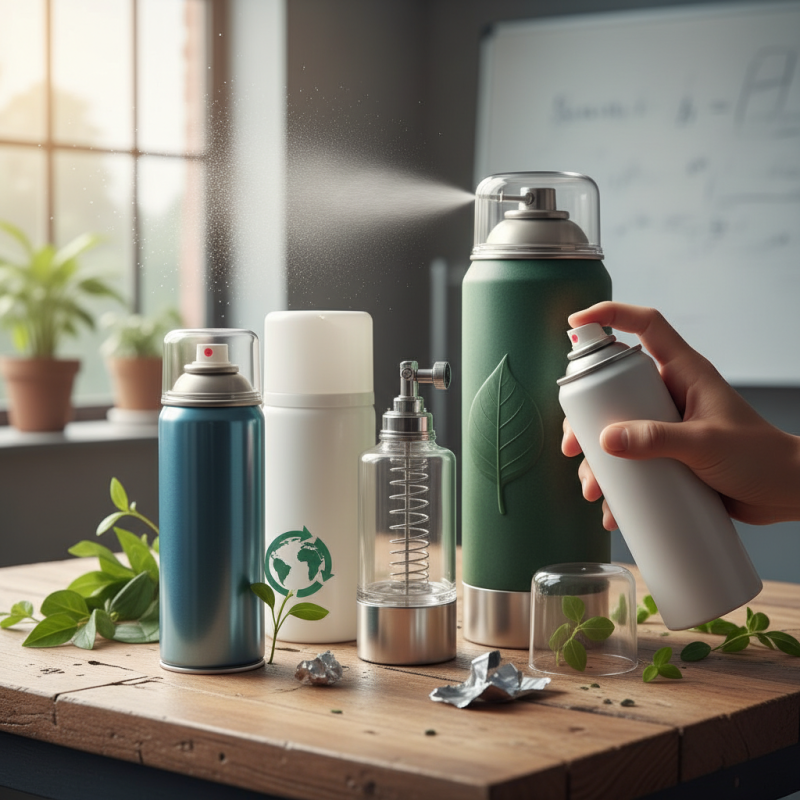
What is Aerosol Packaging?
Aerosol packaging is a specialized method of storing and dispensing products in a pressurized container. This packaging type allows for efficient application. Common items in aerosol form include spray cleaners, paints, and personal care products. The global aerosol market was valued at approximately $67 billion in 2020, with expected growth driven by innovation and consumer demand.
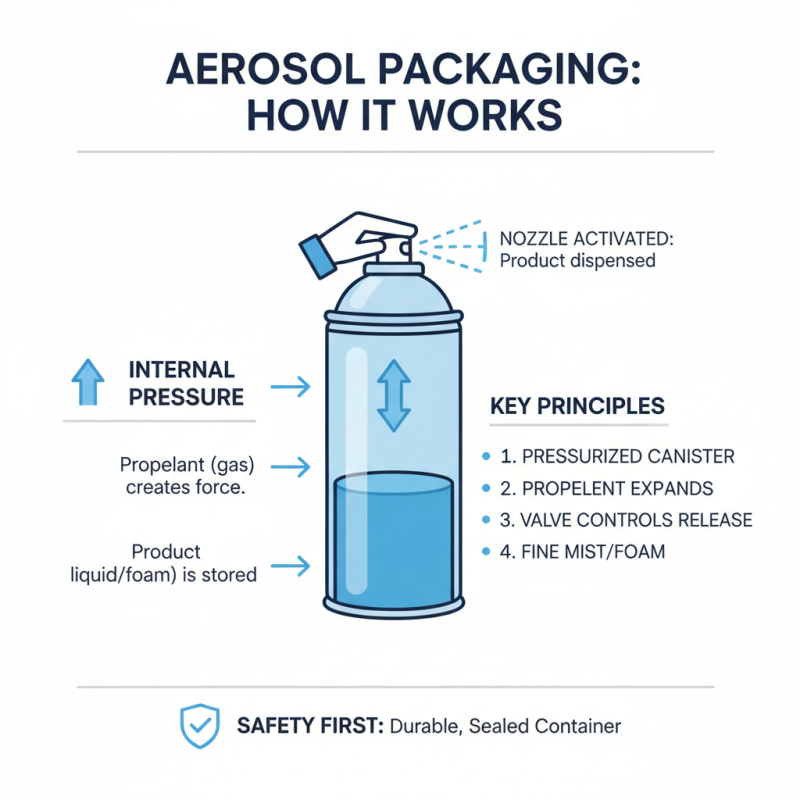
Aerosol cans work by using a propellant that creates pressure inside the container. When the nozzle is pressed, the pressure forces the product out in a fine mist or spray. According to a report by the Freedonia Group, the demand for aerosol products is projected to grow by about 5% annually through 2024. However, this growth comes with challenges. Environmental concerns about propellants and packaging waste are prevalent. While modern formulations improve safety, some propellants still contribute to emissions.
The convenience of aerosol packaging can also lead to overuse. Users may not realize how much they are dispensing. Research indicates that aerosol applications increase material consumption, raising questions about sustainability. Companies must balance innovation with responsibility. Current trends are shifting toward eco-friendly propellants and recyclable materials, yet achieving a perfect solution remains elusive.
History and Development of Aerosol Packaging
Aerosol packaging has a rich history. It began in the early 20th century. The concept emerged from the need for easy item dispensing. Early aerosol cans were basic and often unreliable. They used simple mechanics that led to frequent malfunctions. That was frustrating for users.
By the 1950s, technology advanced significantly. Engineers began designing more sophisticated valves. This made aerosol cans safer and more effective. The development of propellants also improved the product's consistency. Despite these advancements, some products still face issues. Users sometimes struggle with clogging or uneven spraying.
Tip: Always check for any blockages before using your aerosol can.
In the years that followed, aerosol packaging became widely popular. It served various applications, including food, personal care, and cleaning products. However, not all aerosol items are eco-friendly. The environmental impact of packaging is a growing concern. This raises questions about sustainability in packaging choices.
Tip: Recycle your aerosol cans to minimize waste whenever possible.
Components of Aerosol Packaging Systems
Aerosol packaging systems consist of several key components. At the core, you have the container, usually made of metal or plastic. This container holds the product under high pressure, allowing for fine mist or spray release. The closure system is equally important. It includes a valve that controls the amount of product dispensed. An effective valve ensures a consistent spray pattern.
Another crucial component is the propellant. This substance helps expel the product from the container. Common propellants include gases like propane or butane. They work by creating pressure inside the can, pushing the product out. Users may not often consider the environmental impact of propellants. Some choices leave a larger carbon footprint than others.
Finally, the labeling plays a vital role. It provides essential information about the product and usage instructions. Clear labeling ensures safety and proper use, yet many products miss this mark. Effective aerosol packaging requires attention to detail in all components. Each part needs to work seamlessly together for optimal performance. Reflecting on these elements can lead to improvements in design and sustainability.
What is Aerosol Packaging and How Does it Work? - Components of Aerosol Packaging Systems
| Component |
Function |
Material |
Common Usage |
| Aerosol Can |
Contains the product and propellant |
Aluminum or Steel |
Paint, Cleaners |
| Propellant |
Creates pressure to dispense the product |
Hydrocarbon or Compressed Gas |
Air Fresheners, Lubricants |
| Valve |
Controls the release of the product |
Plastic or Metal |
Cosmetics, Medical Sprays |
| Label |
Provides product information and branding |
Paper or Plastic |
Food Products, Cleaning Supplies |
| Cap |
Seals the can and protects the valve |
Plastic or Metal |
Hair Sprays, Paints |
How Aerosol Packaging Works: Mechanisms and Processes
Aerosol packaging is a specialized method that allows for the controlled dispensing of products. This packaging works on specific mechanical principles. A propellant, often a gas, creates pressure within the container. When the nozzle is activated, this pressure forces the product out in a fine mist or foam. The design of the canister is crucial. It must withstand the internal pressure while ensuring safety for consumers.
Reports indicate that the global aerosol market is projected to grow. By 2027, it is expected to reach $75 billion. This growth is driven by increased demand in personal care and household products. However, challenges exist. Consumers are becoming more environmentally conscious. Thus, the industry must explore sustainable materials and propellants. Traditional propellants can have harmful environmental impacts. Innovation in biodegradable sprays is necessary.
In practice, many aerosol cans cannot be recycled. This poses a significant issue for waste management. The convenience of aerosol products can lead to overuse. This creates a paradox where ease of use conflicts with sustainability goals. The industry must reflect on these challenges. Solutions are needed to balance functionality and environmental responsibility.
Advantages and Limitations of Aerosol Packaging
Aerosol packaging offers several advantages that make it popular among manufacturers. It provides a convenient way to dispense products in a controlled manner. This packaging type often features a pressurized system. This allows for even and efficient distribution.
Another key advantage is its ability to protect contents from external elements. The aerosol canister seals products away from air and moisture. This helps preserve freshness and extend shelf life. Moreover, it can minimize waste, as users can access the exact amount they need.
However, aerosol packaging has limitations. The production process can be complicated and costly. Not all products are suitable for aerosol formats. Additionally, some environmental concerns arise due to propellants and can disposal. Rethinking these factors is essential for evolving the technology. The convenience it offers must be balanced with sustainability efforts.