What is an aerosol manufacturers guide for global buyers?
In the dynamic world of aerosol manufacturing, understanding the nuances of the global market is essential. Experts recommend that buyers focus on quality and compliance. According to Dr. Emma Hart, a leading authority in the aerosol industry, “A comprehensive guide can bridge the gap between manufacturers and buyers.” Her insights highlight the importance of effective communication in this field.
The aerosol manufacturers sector is vast, encompassing personal care, automotive, and household products. Each segment requires different considerations. Buyers are not just looking for cost; they seek reliability and innovation. Detailed product specifications and safety data sheets are vital. Trust and transparency between manufacturers and buyers can foster better partnerships.
Despite the advancements, challenges persist. Some manufacturers struggle with environmental regulations. Others face difficulties in quality control. Re-evaluating sourcing strategies can lead to improved outcomes. It’s crucial for buyers to reflect on their needs and align them with the right aerosol manufacturers.
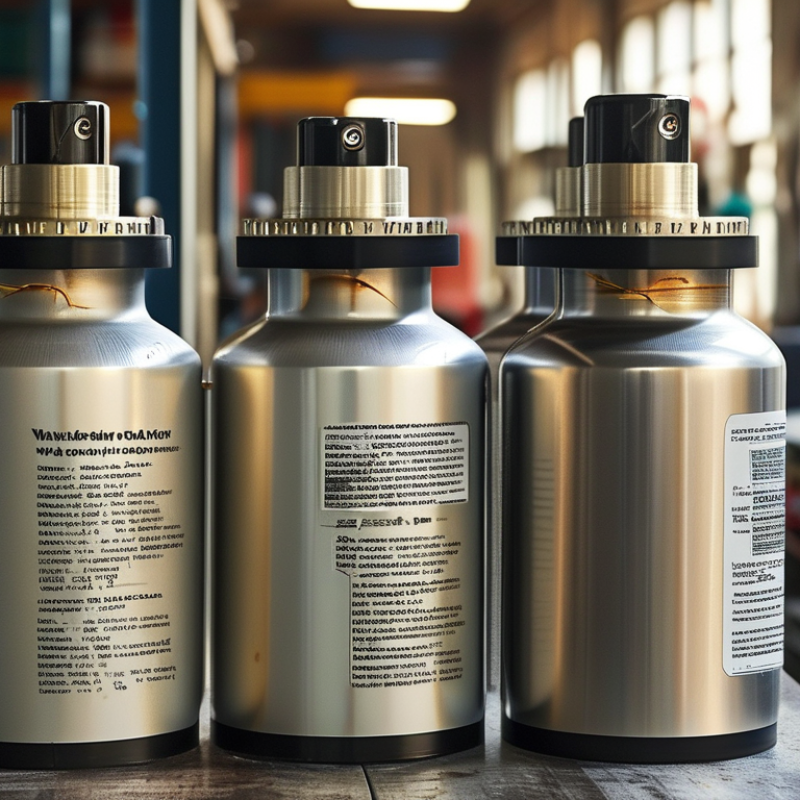
Overview of Aerosol Production: Industry Standards and Regulations
Aerosol production is governed by strict industry standards and regulations. These standards ensure safety and consistency. Manufacturers must be aware of guidelines set by various organizations. Compliance is not only essential for quality but also for market access. Understanding regulations helps avoid penalties and recalls.
Different countries have unique rules regarding aerosol products. For example, some may limit certain propellants or packaging materials. It's vital for manufacturers to stay updated on these changes. Regular audits can help identify compliance gaps. Additionally, knowledge of sustainable practices is becoming increasingly important. Consumers are demanding eco-friendly products, pushing manufacturers to innovate.
One common challenge is the disparity in regulations across regions. This may lead to confusion and increased costs. Manufacturers should develop a comprehensive compliance strategy. Investing in training for employees can enhance understanding. Creating a culture of safety and responsibility helps build a reliable brand. Operating with transparency fosters trust in the market.
Types of Aerosols: Key Product Categories and Their Applications
Aerosols are versatile products widely used across various industries. Understanding the key product categories can help global buyers make informed decisions. The aerosol market is projected to reach $19.6 billion by 2026, reflecting a growing demand in sectors such as personal care, household, and industrial applications.
Personal care aerosols encompass products like deodorants and hair sprays. These items often rely on specific propellants, ensuring consistent delivery. Household aerosols include cleaning sprays and air fresheners, which have seen a surge in popularity due to health-conscious trends. Studies show that consumers increasingly favor eco-friendly formulations, prompting manufacturers to innovate.
Industrial aerosol applications are diverse. They range from lubricants to adhesives. The aerospace and automotive sectors particularly depend on high-performance aerosols. However, a challenge exists: balancing performance with regulatory compliance. With evolving environmental regulations, manufacturers must adapt to maintain market relevance while ensuring safety. This dynamic landscape requires constant monitoring and adjustment, emphasizing the importance of reliable partnerships across the supply chain.
What is an aerosol manufacturers guide for global buyers? - Types of Aerosols: Key Product Categories and Their Applications
| Aerosol Type |
Key Applications |
Common Propellants |
Typical Packaging |
| Personal Care |
Hair Sprays, Deodorants, Shaving Foam |
Butane, Propane, Dimethyl Ether |
Aluminum, Steel |
| Household |
Air Fresheners, Insecticides, Furniture Polish |
Isobutane, Nitrous Oxide |
Plastic, Glass |
| Industrial |
Paints, Coatings, Lubricants |
Carbon Dioxide, Propellant Blends |
Steel, Composite |
| Food |
Whipped Cream, Cooking Oils |
Air, Nitrogen |
Aluminum, Plastic |
| Medical |
Inhalers, Topical Sprays |
Nitrous Oxide, Compressed Air |
Plastic, Glass |
Manufacturing Process: Step-by-Step Guide for Quality Control
The manufacturing process of aerosols is crucial for maintaining quality. Start by preparing the raw materials. Each component, like propellants and active ingredients, must be meticulously measured and tested. Consistency is key. Any deviation can alter the product's performance. Mixing these ingredients requires careful monitoring. The equipment used must be clean and calibrated to avoid contamination.
Filling the aerosol cans requires precision. Automated systems often ensure the correct volume. Each can needs to be inspected. Quality control involves checking for leaks and ensuring the can is properly sealed. Even a small flaw can impact safety. Regular training for workers is essential. They should understand the importance of their role in the quality process.
Finally, packaging is another critical step. The finished aerosols must be packed in a manner that protects them during transport. Even small issues here can lead to damage or product loss. Manufacturers should continuously review their processes. Seeking feedback could identify areas for improvement. Quality control is not just a checklist; it is an ongoing commitment.
Global Market Trends: Growth Factors and Regional Analysis
The aerosol market is evolving rapidly. Factors such as urbanization and changing lifestyles drive this growth. Increased demand for personal care products and healthcare solutions fuels the market. Regions like Asia-Pacific show remarkable expansion. They benefit from a growing middle class and demand for innovative products.
However, challenges persist. Regulatory compliance remains a concern for manufacturers aiming for global reach. Different regions have unique regulations governing aerosol formulations and packaging. Understanding these requirements is crucial. This complexity can deter potential entrants, making it necessary to invest in expert insights and local partnerships. It's vital for manufacturers to stay updated on regional trends and customer preferences.
Market research reveals a shift towards sustainable practices. Buyers are increasingly looking for eco-friendly packaging options. This trend can be a double-edged sword for manufacturers. While it offers opportunities for innovation, it also demands investment in new technologies. Balancing company values with market demands can be challenging for many.
Sourcing Strategies: Evaluating and Selecting Reliable Aerosol Suppliers
When sourcing aerosol products, it is vital to evaluate potential suppliers carefully. Many manufacturers claim to provide high-quality items, but not all can deliver consistently. Reliable suppliers should have a track record of successful partnerships. Look for evidence of their experience in the industry. Case studies can reveal how they handle production challenges.
Communication plays a crucial role in supplier selection. A responsive supplier reflects good customer service. Ensure they can meet your demand and timeline. Ask probing questions about their production methods and quality control protocols. Transparency is essential. Be cautious of suppliers who are reluctant to share information.
Cost is another factor. While it's important to find a competitive price, don’t sacrifice quality. Cheap is often expensive in the long run. Conduct research to compare prices along with quality. The right balance can yield better outcomes. Remember, forming relationships with suppliers is valuable. Trust and reliability should be prioritized. Regular evaluations can help maintain standards and enhance partnerships.
Aerosol Supplier Quality Ratings
This bar chart represents the quality ratings of various aerosol suppliers on a scale of 1 to 10. Evaluating these ratings can aid global buyers in selecting reliable suppliers based on quality performance.